


Keir Starmer Resigns As Leader Of Labour Party Following Controversy
The CSR Journal Magazine

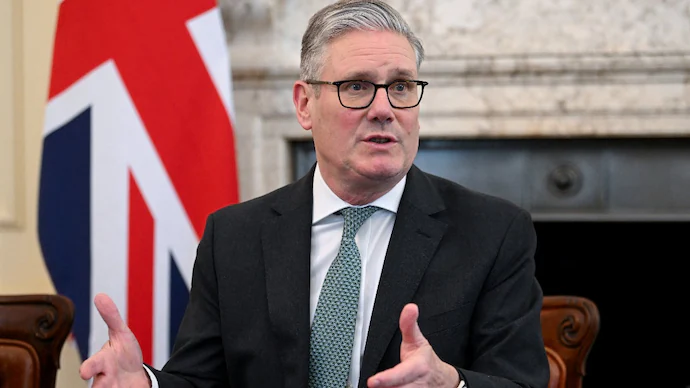
Keir Starmer has announced his resignation as leader of the Labour Party, marking the end of his tenure less than two years after his election, which was rooted in a commitment to restore stability following years of Conservative-led political turmoil. He will serve in a caretaker capacity until a successor is selected in the upcoming weeks.

Starmer’s resignation comes amidst ongoing internal party challenges, including recent controversies over his policy decisions and the significant impact of his appointment of Peter Mandelson as the UK ambassador to the United States. This decision faced heavy backlash following revelations about Mandelson’s connections to Jeffrey Epstein, with whom Starmer has reportedly had no personal association.

In an emotional statement, Starmer acknowledged the implications of his leadership on the upcoming general election, commenting on how the views of his parliamentary colleagues have influenced his decision to step down. His announcement follows a series of pressures that have escalated over the last few months.

Political Fallout and Public Perception

The current political landscape for Labour shifted significantly after the local elections on May 7, where the party experienced a substantial defeat. This loss catalysed a wave of resignations and leadership changes that could position former Greater Manchester Mayor Andy Burnham for potential leadership at 10 Downing Street.

Starmer’s leadership had initially seen a successful return for the Labour Party on July 4, 2024, when the party won 411 of the 650 parliamentary seats, ending a lengthy period in opposition. However, Starmer faced criticisms for failing to garner widespread voter support, with only 34 per cent of the electorate backing Labour—a sentiment many observers noted was primarily against the Conservative Party rather than a genuine endorsement of Labour’s platform.

His leadership faced numerous setbacks, including public relations blunders and policy changes that alienated party members. Controversies such as early disputes over gifting items and perceived changes in welfare policies further complicated his governance. The pivotal moment was the backlash after appointing Mandelson amid revelations about his connections to Epstein.

Future of Labour Party Leadership

The choice of Mandelson, seen as a strategic move to navigate relations with the American administration, quickly turned into a crisis for Starmer. Following the emergence of documents indicating Mandelson’s problematic ties to Epstein, Starmer was compelled to dismiss him. The revelations regarding emails suggesting past exchanges of sensitive information heightened the scrutiny on Starmer’s judgement.

Criticism from Labour MPs intensified, with some expressing feelings of betrayal regarding the Mandelson appointment. Starmer’s leadership has been described as lacking the necessary political acuity to navigate the evolving landscape effectively. Observers have noted that his earlier legal career did not translate seamlessly into political acumen.

As the Labour Party now navigates a path forward, the incoming leadership will face the challenge of rebuilding confidence and addressing the policy missteps that contributed to the party’s declining support under Starmer’s tenure. The upcoming weeks will determine whether a new direction can be established to regain the trust of the electorate.

Long or Short, get news the way you like. No ads. No redirections. Download Newspin and Stay Alert, The CSR Journal Mobile app, for fast, crisp, clean updates!

App Store –  https://apps.apple.com/in/app/newspin/id6746449540 

Google Play Store – https://play.google.com/store/apps/details?id=com.inventifweb.newspin&pcampaignid=web_share

Latest News

Popular Videos
