


Johnson & Johnson Faces Legal Challenges Over Baby Powder and Cancer Claims
The CSR Journal Magazine

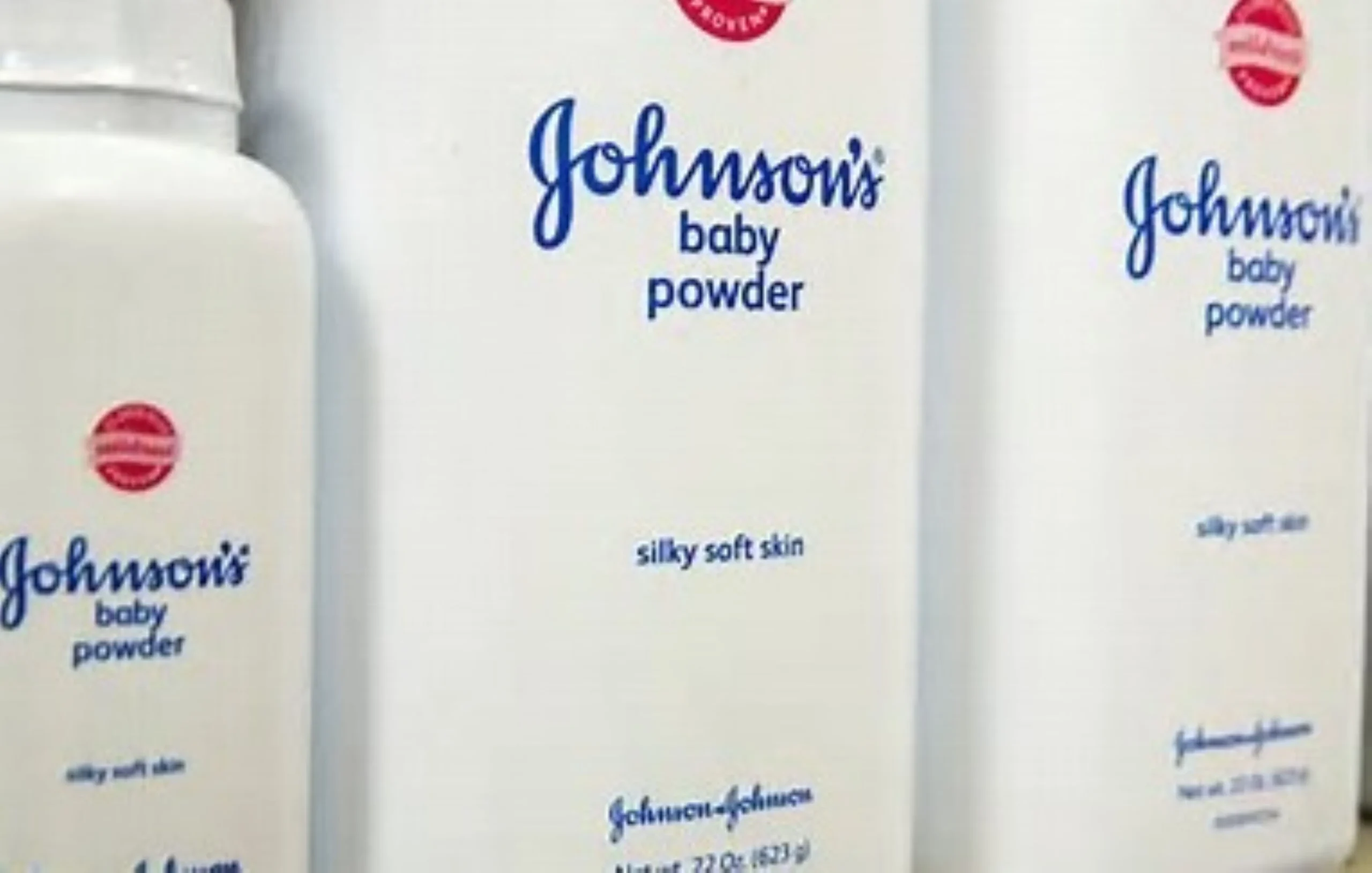
Johnson & Johnson’s baby powder litigation has gained renewed attention following a recent multibillion-dollar settlement offer aimed at resolving numerous lawsuits. These lawsuits allege that the company’s talc-based products are linked to cancer.

This legal battle has continued for over a decade, focusing specifically on two major cancer claims: mesothelioma, a rare and aggressive lung malignancy, and ovarian cancer. Each claim is supported by different scientific theories and evidence levels.

While Johnson & Johnson maintains that its talc products are safe and do not cause cancer, the ongoing litigation has kept public concerns regarding the safety of talc alive. The latest settlement initiative follows years of courtroom disputes and attempts at resolution via bankruptcy procedures, some of which have been turned down by US courts.

Diverse Cancer Claims Involved

Although often discussed together, the lawsuits comprise two distinct cancer types and corresponding scientific evidence. Mesothelioma cases are strongly associated with asbestos exposure, as the two substances can be naturally found close to each other underground.

Asbestos is recognised as a significant human carcinogen, known to trigger mesothelioma. Plaintiffs in this category argue that certain talc-based products were contaminated with asbestos, thereby increasing cancer risk for users over time. Internal documents have suggested that some Johnson & Johnson talc products contained traces of asbestos for many years, but the company has contested these assertions, asserting that its talc is asbestos-free and conforms to health regulations.

The second group of lawsuits pertains to ovarian cancer, a more complex area of debate. While some plaintiffs speculate that asbestos contamination could elevate cancer risk, others argue that talc itself—even if devoid of asbestos—may move through the female reproductive system following prolonged use, potentially leading to chronic inflammation that initiates ovarian tumours.

Status of Scientific Evidence on Talc

The connection between talc and ovarian cancer has yet to be firmly established. Various observational studies have identified a minor increase in ovarian cancer risk among women who regularly employed talc in their genital area. Conversely, larger studies have failed to demonstrate a statistically significant link.

Researchers have noted the challenge in confirming a cause-and-effect relationship due to the rarity of ovarian cancer and the reliance on participants’ recollections of past product usage.

Dr Niranjan Naik, vice chairman of surgical oncology at Paras Health in Gurugram, remarked that research on talc and ovarian cancer presents mixed results. Some studies indicate a slight risk increase linked to extended genital use, while substantial analyses found no definitive connection. He suggested that it would be sensible to minimise the use of any powder in the genital area as a precautionary measure.

Scientific organisations have also differentiated between asbestos-contaminated talc and pure talc. While asbestos is widely recognised as a carcinogenic substance, the evidence regarding the effects of asbestos-free talc is still subject to scientific scrutiny and debate without unanimous agreement that it causes ovarian cancer.

India Today has contacted Johnson & Johnson India for comments regarding the latest developments in the litigation, and updates will be provided upon receiving a response.

Long or Short, get news the way you like. No ads. No redirections. Download Newspin and Stay Alert, The CSR Journal Mobile app, for fast, crisp, clean updates!

App Store –  https://apps.apple.com/in/app/newspin/id6746449540 

Google Play Store – https://play.google.com/store/apps/details?id=com.inventifweb.newspin&pcampaignid=web_share

Latest News

Popular Videos
