


Italy Introduces Language Limits and Veil Ban in Schools
The CSR Journal Magazine

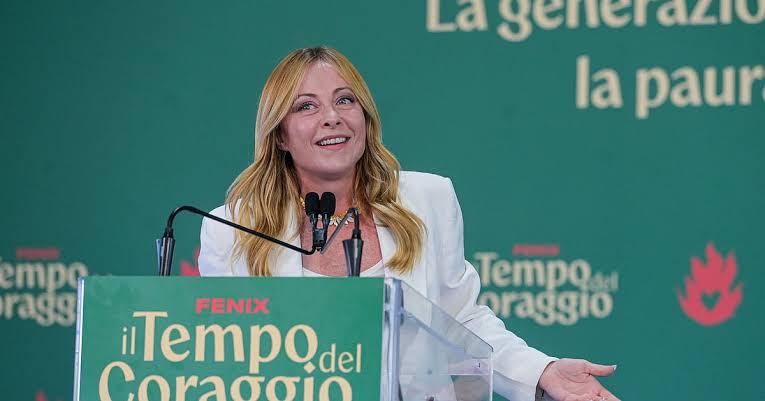
The Italian government has enacted a new decree aimed at limiting the number of students with inadequate Italian language skills in classrooms while also prohibiting face-covering Islamic veils in schools. This initiative, announced by Prime Minister Giorgia Meloni’s administration, is portrayed as a means of promoting integration by prioritising language acquisition.

Meloni’s conservative coalition advocates these measures, asserting they will foster a more inclusive environment within educational institutions. However, the initiative has been met with criticism from various educators, unions, and opposition factions, who express concerns regarding the potential negative effects on students’ access to education.

According to the new rules, the proportion of students lacking sufficient Italian language proficiency in any class will be capped at 30 per cent. This restriction will apply to all students, regardless of citizenship, including those from other European Union countries who do not possess adequate Italian language skills.

Parliamentary Approval Required

The decree has taken immediate effect but requires parliamentary approval within a 60-day period to become permanent. With Meloni’s coalition holding a majority in parliament, there is a strong likelihood that the measures will be formalised. The timing of the decree coincides with growing pressure from hardline elements within Italian politics that are concerned about immigration and national identity.

In a statement on social media, Meloni defended the measures as “common-sense initiatives”. She indicated that the intent is to promote authentic integration, help eliminate ‘ghetto’ classrooms, and ensure equal opportunities for all students. This rationale, however, has drawn scepticism from critics who allege that it stokes political divisions surrounding immigration issues.

There are apprehensions that limiting the number of non-Italian speakers in classrooms may necessitate some students travelling long distances to schools that comply with these regulations, thereby disrupting community ties. Educators fear that these logistical hurdles could hinder rather than help integration efforts.

Criticism and Political Implications

Opposition parties and various educational advocates have labelled the new regulations as politically motivated, suggesting that they are designed to appeal to Meloni’s conservative base ahead of potential elections next spring. Critics argue that the measures shift the focus away from providing quality education for all students irrespective of their linguistic background.

The introduction of the veil ban adds another layer to this complex situation. Advocates of the new policy argue that it is crucial for maintaining a secular education environment. However, many opponents view the decision as an infringement on religious freedom and expression, complicating the broader discourse on immigration and integration.

Analysts note that while the decree is aimed at asserting the government’s stance on integration, the actual impact and enforcement of such rules remain uncertain. There are significant unanswered questions regarding how schools will manage these changes, particularly considering the varied levels of language proficiency among students.

Long or Short, get news the way you like. No ads. No redirections. Download Newspin and Stay Alert, The CSR Journal Mobile app, for fast, crisp, clean updates!

App Store –  https://apps.apple.com/in/app/newspin/id6746449540 

Google Play Store – https://play.google.com/store/apps/details?id=com.inventifweb.newspin&pcampaignid=web_share

Latest News

Popular Videos
