


Iran Proposes Reopening Hormuz for Sanctions Relief and Ceasefire Negotiations
The CSR Journal Magazine

Iran has presented a proposal to reopen the Strait of Hormuz and initiate discussions regarding its nuclear programme within seven days, contingent upon the United States lifting its naval blockade on Iranian ports, waiving sanctions on oil sales, and adhering to a ceasefire including Lebanon.

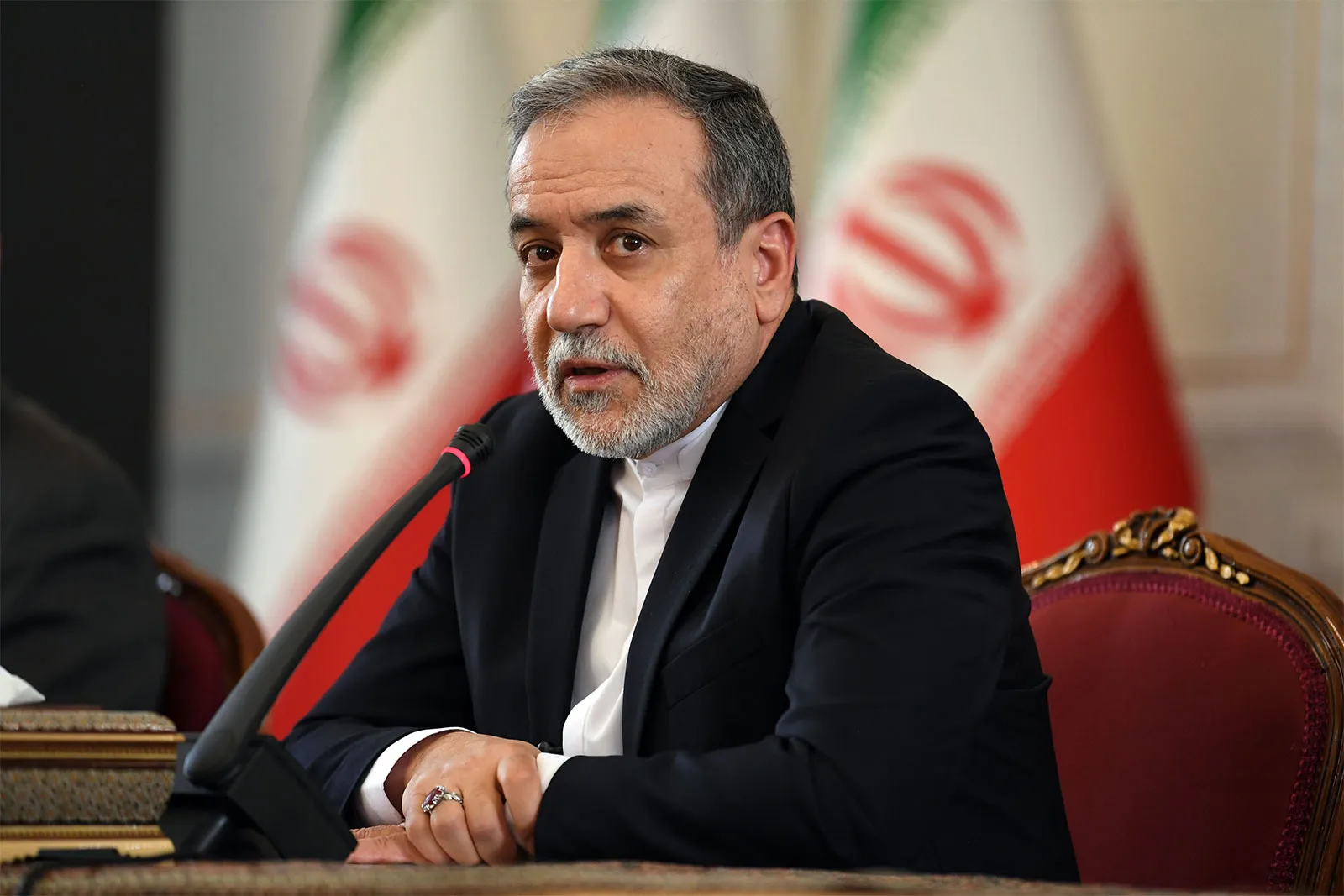
This was articulated by Iranian Foreign Minister Abbas Araghchi during a private meeting at the UN General Assembly (UNGA) in New York. The offer was revealed as efforts to facilitate negotiations reportedly gained momentum, described by the White House as positive and constructive.

Context and Background

The proposal presents a more accelerated timeline compared to a prior memorandum of understanding established in June, which quickly fell apart following renewed Iranian attacks on vessels in the strait. Notably, the United States is currently navigating the complexities associated with rising oil prices, which contribute to inflation, leading to speculation that a swift agreement may be beneficial for President Donald Trump ahead of the upcoming midterm elections.

Executive Vice President of the Quincy Institute, Trita Parsi, indicated that Iran’s strategy may involve leveraging its influence over oil passage through Hormuz, an essential route for global energy shipments, as a means of negotiating concessions. However, the proposal has not yet drawn a response from Iran’s UN mission or other officials, and skepticism remains, particularly from Saudi Arabia regarding the plausibility of the arrangement.

Meanwhile, the White House remarked on its facilitation of substantial oil exports through the Strait of Hormuz, emphasising its active role in regional stability. The dynamics involving Saudi Arabia continue to be influenced by the Houthi conflict and their intensified military capabilities that threaten maritime routes such as the Bab el-Mandeb strait, further complicating the potential for a negotiated settlement.

Internal Divisions in Iran and Regional Reactions

Within Iran, there are notable divisions regarding the approach to negotiations. Some hard-liners express a preference for escalating hostilities against the United States to secure greater concessions, while moderates like President Masoud Pezeshkian advocate for dialogue. This internal discord surfaced during discussions about the potential ceasefire, with some officials publicly criticizing diplomatic overtures, associating them with perceived weakness.

On the international front, Iran’s leadership has reassured its willingness to engage in diplomatic discussions. Repeated attempts at negotiations have been marred by mutual distrust, further complicated by the historical context of strikes on Iranian interests during previous nuclear talks. Observers note that the possibility of reaching a new agreement hinges on addressing these deep-seated mistrusts as well as regional tensions involving Lebanon and Yemen.

Furthermore, it remains uncertain whether discussions regarding a ceasefire will extend to the conflict in Yemen or be limited to Lebanon. As regional dynamics evolve, potential agreements face the obstacle of scepticism from Gulf states, particularly after recent escalations involving Houthi attacks, which have led to reassessments of strategic negotiations within the Saudi-led coalition.

Prospects for Diplomatic Engagement

Despite the hurdles presented by historical animosities and ongoing military engagements, the emergence of this latest proposal from Iran signifies a renewed willingness to explore diplomatic pathways. Leaders within Iran, including Maj. Gen. Yahya Rahim Safavi, have suggested that evolving circumstances may compel the United States to reconsider its position and engage meaningfully with Iran’s terms.

Nevertheless, a clear consensus has yet to be achieved in Tehran regarding the optimal strategy for engaging Washington, with public discourse revealing fragmented perspectives on how best to approach the situation. As international mediators, including Qatar, continue to facilitate dialogue, the future of negotiations remains tenuous amid a complex web of geopolitical challenges.

Overall, while the latest proposal from Iran reopens discussions about diplomacy, it is undertaken against a backdrop of failed agreements and persistent regional tensions, necessitating careful navigation for all parties involved.

Long or Short, get news the way you like. No ads. No redirections. Download Newspin and Stay Alert, The CSR Journal Mobile app, for fast, crisp, clean updates!

App Store –  https://apps.apple.com/in/app/newspin/id6746449540 

Google Play Store – https://play.google.com/store/apps/details?id=com.inventifweb.newspin&pcampaignid=web_share

Latest News

Popular Videos
