


Choosing Between Plastic and Steel Casseroles for Rotis
The CSR Journal Magazine

The choice of casserole material plays a crucial role in food safety and quality, especially for storing rotis straight off the tawa. Most Indian kitchens rely on casseroles to maintain the heat and softness of these staple items. However, it is essential to consider whether the material used for the casserole is contributing positively or negatively to health and hygiene.

When storing rotis while they are still hot, the heat can interact with the casserole material. Different materials react in various ways, potentially leading to implications for food safety, hygiene, and even the overall taste of the food.

This daily habit may seem trivial, but the cumulative effects over time can be significant and affect individuals’ health more than they might realise.

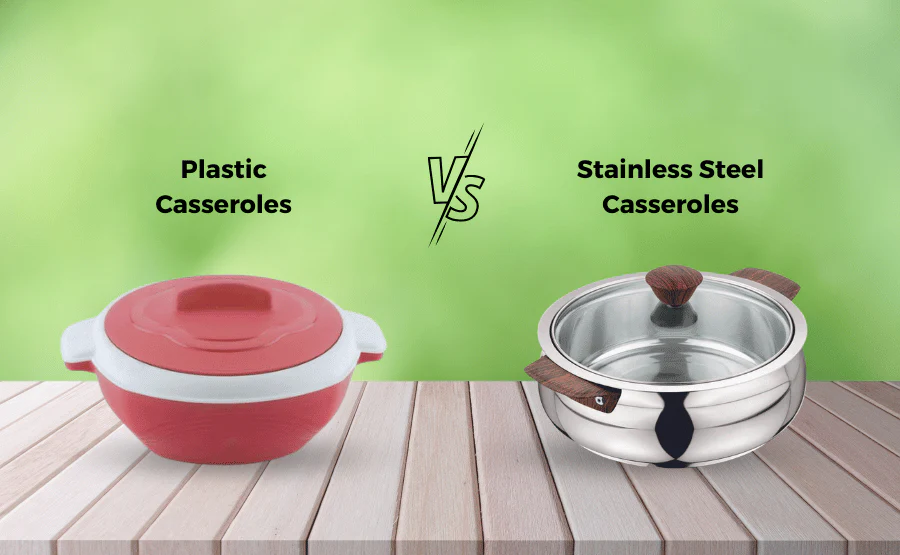
Examining Plastic Casseroles

Plastic casseroles are prevalent in many households due to their lightweight nature and affordability. They are often available in an array of designs, making them visually appealing. While they offer convenience, there are important downsides that should be considered.

Regular exposure to heat can lead to plastic deterioration, with tiny scratches and signs of wear developing over time. Such factors can diminish the reliability of the casseroles, especially for long-term use.

Additionally, when hot rotis are placed in plastic containers, the heat can weaken the material. This scenario can lead to old or scratched surfaces that potentially trap bacteria, threatening food quality and safety in the long run. Gradual degradation may occur even if immediate effects are not noticeable.

Advantages of Stainless Steel Casseroles

Stainless steel casseroles are often perceived as the traditional choice and are viewed as a more reliable option due to their numerous advantages. They do not react with hot food, ensuring that the food quality is maintained. The stability of stainless steel at high temperatures makes it a durable alternative for everyday cooking.

This material is built to last, not only being easy to clean but also resilient through repeated use. When used correctly, stainless steel casseroles can effectively keep rotis soft and warm. Techniques such as wrapping rotis in a clean cloth before placing them inside the container and sealing the lid tightly can optimise heat retention.

Hygienically, stainless steel has the upper hand as it maintains its quality over time and does not absorb odours or stains. This makes it a more sanitary option for long-term use compared to plastic variants, which often need replacing more frequently.

Sustainability Considerations in Material Choice

Beyond health and hygiene, sustainability is another critical factor in selecting a casserole. Plastic casseroles typically wear out quicker and contribute to waste accumulation, posing environmental concerns. In contrast, stainless steel options last much longer, are more durable, and can be recycled.

This makes the switch to stainless steel a more sustainable choice in the long term. A single investment can significantly reduce waste and promote a more eco-friendly lifestyle.

In summary, while plastic casseroles may offer short-term advantages, considering safety, durability, and sustainability presents stainless steel as a superior option for daily kitchen use. The choice of a casserole can have lasting implications on health and environmental impact, reinforcing the necessity of making informed decisions in the kitchen.

Long or Short, get news the way you like. No ads. No redirections. Download Newspin and Stay Alert, The CSR Journal Mobile app, for fast, crisp, clean updates!

App Store –  https://apps.apple.com/in/app/newspin/id6746449540 

Google Play Store – https://play.google.com/store/apps/details?id=com.inventifweb.newspin&pcampaignid=web_share

Latest News

Popular Videos
