


Pakistan PM Urges Global Action on Climate Crisis at COP31
The CSR Journal Magazine

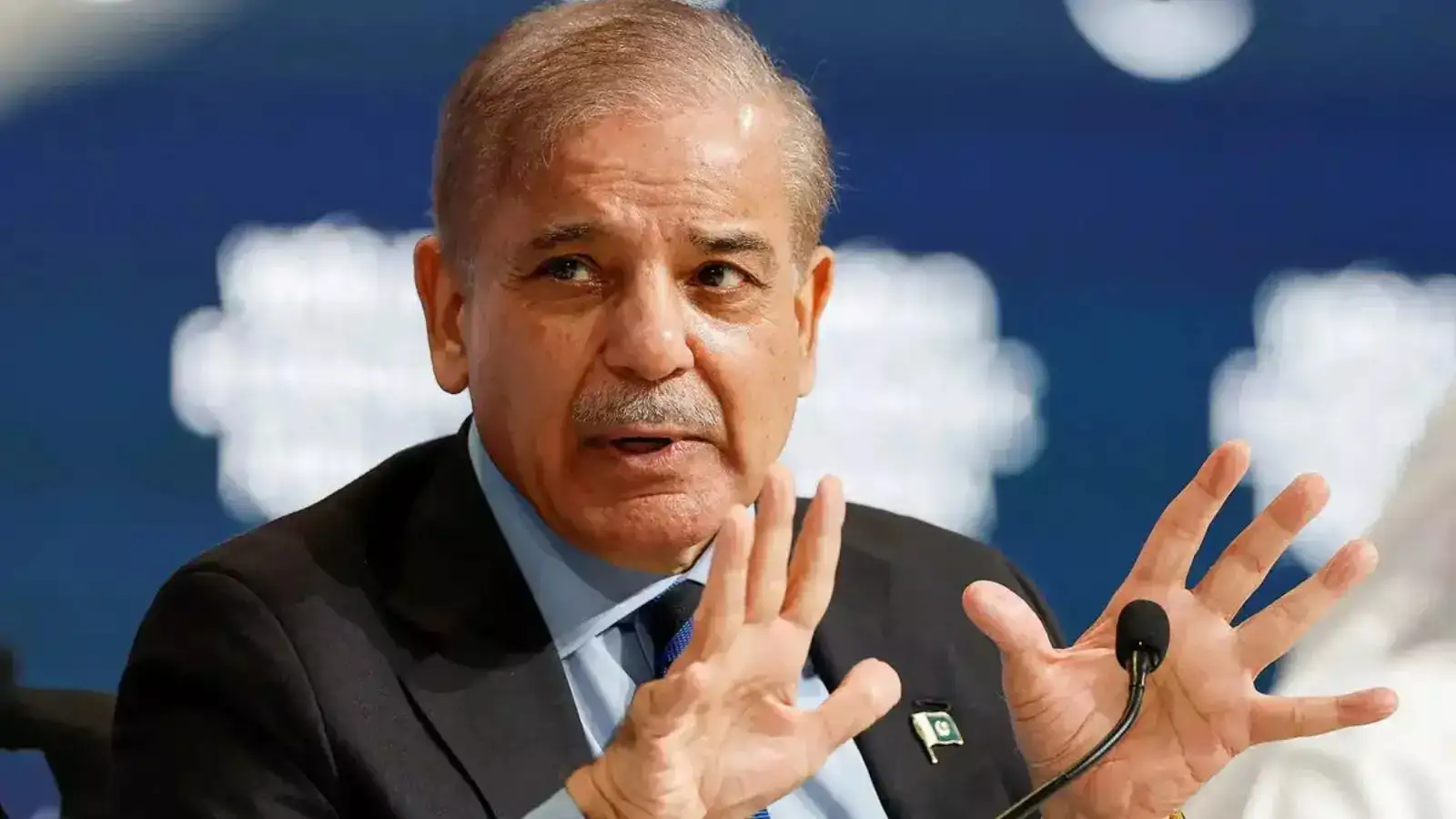
During the COP31 climate summit, Pakistan’s Prime Minister Shehbaz Sharif addressed the urgent need for global action regarding the escalating climate crisis. He emphasised that the adverse effects experienced by Pakistan are indicative of a broader global issue that requires immediate attention from world leaders. Sharif’s remarks highlighted the interconnectedness of climate impacts, stressing that the challenges faced by one nation can reverberate across the globe.

Impact of Climate Change on Developing Nations

Sharif pointed out the severe flash floods that struck Pakistan in 2022 and 2025, which serve as stark reminders of the vulnerabilities faced by developing nations. He noted that while these countries contribute the least to global emissions, they are disproportionately affected by climate-related disasters. This disparity raises questions about equity and responsibility in addressing climate change, as developing nations often lack the resources to adequately respond to such crises.

In his speech, the Prime Minister called for a reassessment of how climate finance is allocated, urging the international community to provide support that is both fair and effective. He argued that the current financial mechanisms are insufficient for the scale of the challenges faced by developing countries. Sharif’s emphasis on the need for equitable solutions reflects a growing consensus among many nations that climate action must be inclusive and just.

Sharif also highlighted Pakistan’s advancements in clean energy, showcasing efforts to expand solar capacity, promote electric mobility, and develop the Chashma-5 nuclear plant. These initiatives demonstrate Pakistan’s commitment to transitioning towards sustainable energy sources. However, he reiterated that national efforts alone cannot substitute for the necessary international support that developing nations require to combat climate change effectively.

Call for International Support and Cooperation

In his address, Sharif made a compelling case for grant-based climate finance, arguing that such support is crucial for enabling developing nations to implement effective climate strategies. He highlighted the importance of respecting existing water-sharing agreements, which are vital for maintaining regional stability and cooperation in the face of climate challenges. The Prime Minister’s remarks underscored the need for collaborative efforts to address shared environmental concerns.

Moreover, Sharif’s call for action resonates with the broader objectives of COP31, where nations are gathering to discuss strategies for mitigating climate change. The summit serves as a platform for dialogue and collaboration, aiming to foster international partnerships that can lead to meaningful progress in tackling climate-related issues. The Prime Minister’s emphasis on collective responsibility reinforces the notion that climate action must be a global priority.

As the summit continues, the focus remains on finding viable solutions that can bridge the gap between developed and developing nations. Sharif’s address serves as a reminder of the urgent need for a united front in the fight against climate change, highlighting the importance of shared commitment and action. The outcomes of COP31 will be closely watched, as they may set the tone for future international climate agreements and initiatives.

Long or Short, get news the way you like. No ads. No redirections. Download Newspin and Stay Alert, The CSR Journal Mobile app, for fast, crisp, clean updates!

App Store – https://apps.apple.com/in/app/newspin/id6746449540

Google Play Store – https://play.google.com/store/apps/details?id=com.inventifweb.newspin&pcampaignid=web_share

Latest News

Popular Videos
