


Remarks by Dhirendra Krishna Shastri Ignite Outrage
The CSR Journal Magazine

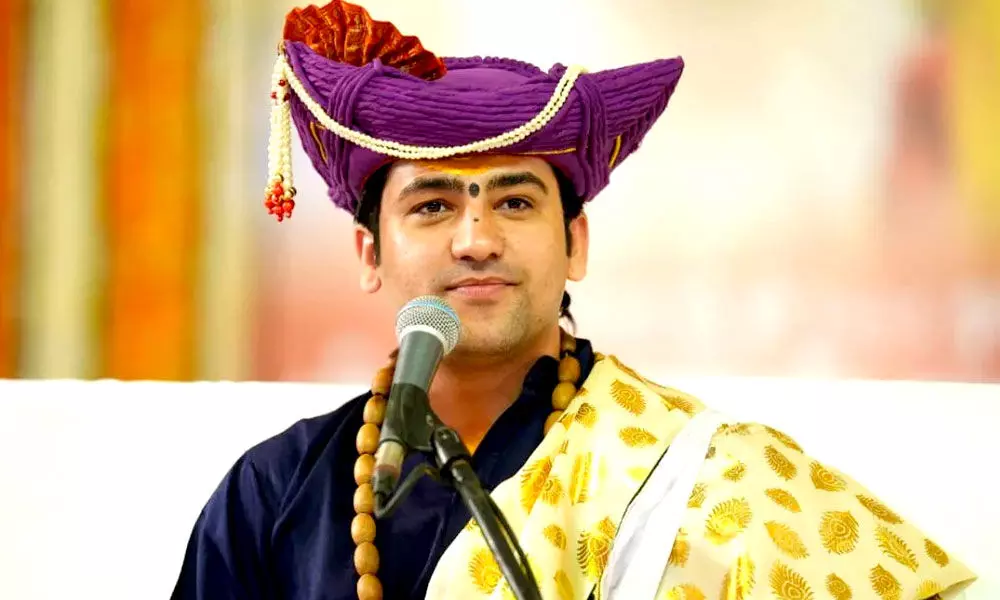
The recent comments made by Dhirendra Krishna Shastri, the head priest of Bageshwar Dham, have provoked significant backlash among devotees of Lord Krishna. During a religious discourse in Madhya Pradesh, Shastri allegedly distinguished between Lord Ram and Lord Krishna in a manner that many found derogatory. He referred to Ram as “hamare (our) Ram” and Krishna as “tumhare (your) Krishna,” which was perceived as an attempt to elevate Ram while belittling Krishna.

Shastri’s remarks included a critique of Krishna’s iconic three-fold posture, known as “tribhangi,” stating, “Hamare Ram stands straight, looks straight and his name is also spelt straight while your Krishna is bent in three places.” This comment reportedly incited anger among Krishna devotees, particularly the Yaduvanshis, prompting calls for Shastri’s discourses to be banned in the state.

Despite later issuing an apology, the damage was done, and various political figures, including Akhilesh Yadav of the Samajwadi Party, condemned his statements. Union minister Chirag Paswan also expressed concern, stating that Shastri’s comments could deepen societal divides based on religion.

Political Ramifications and Community Reactions

The controversy has not only stirred religious sentiments but also raised political concerns, particularly within the Bharatiya Janata Party (BJP). While some party members had previously supported Shastri’s initiatives for Hindu unity, the recent remarks have created discomfort among the leadership. The BJP’s political strategy revolves around themes of “Sanatan and development,” making the situation particularly sensitive.

Moreover, the demographic aspect of the issue cannot be overlooked. Krishna devotees constitute a significant community in states like Gujarat and West Bengal, where their historical and cultural ties run deep. The ongoing movement concerning Krishna Janmasthan in Mathura has gained traction, further complicating the political landscape as it is supported by Uttar Pradesh Chief Minister Yogi Adityanath.

As the situation escalated, former Uttar Pradesh minister Raghuraj Pratap Singh, also known as Raja Bhaiya, announced a three-day Ram Katha event in Pratapgarh from November 17 to 19. This decision has drawn attention amid the growing controversy, with extensive preparations underway, reportedly backed by the state government.

Implications for Political Dynamics in Uttar Pradesh

The ongoing tensions between Akhilesh Yadav and Raja Bhaiya have reignited historical rivalries, particularly between the Rajput and Yadav communities. The Rajputs are generally perceived as aligning with the BJP, while the Yadavs tend to support the Samajwadi Party. This division could have significant implications for upcoming elections in the region.

In a broader context, the intersection of religion and politics in India has become increasingly pronounced. Politicians are now leveraging the influence of religious figures to mobilise support, often blurring the lines between spiritual authority and political ambition. This trend raises questions about the role of self-proclaimed spiritual leaders in contemporary politics, particularly as they seek visibility and influence.

As the political landscape evolves, the challenge remains for parties to navigate these complex dynamics while addressing the sentiments of various religious communities. The situation serves as a reminder of the delicate balance between faith and politics in India, especially in a time when religious gatherings are witnessing a resurgence.

Long or Short, get news the way you like. No ads. No redirections. Download Newspin and Stay Alert, The CSR Journal Mobile app, for fast, crisp, clean updates!

App Store – https://apps.apple.com/in/app/newspin/id6746449540

Google Play Store – https://play.google.com/store/apps/details?id=com.inventifweb.newspin&pcampaignid=web_share

Latest News

Popular Videos
