


US and Iran Expected to Initiate New Talks This Week as Ceasefire Deadline Approaches
The CSR Journal Magazine

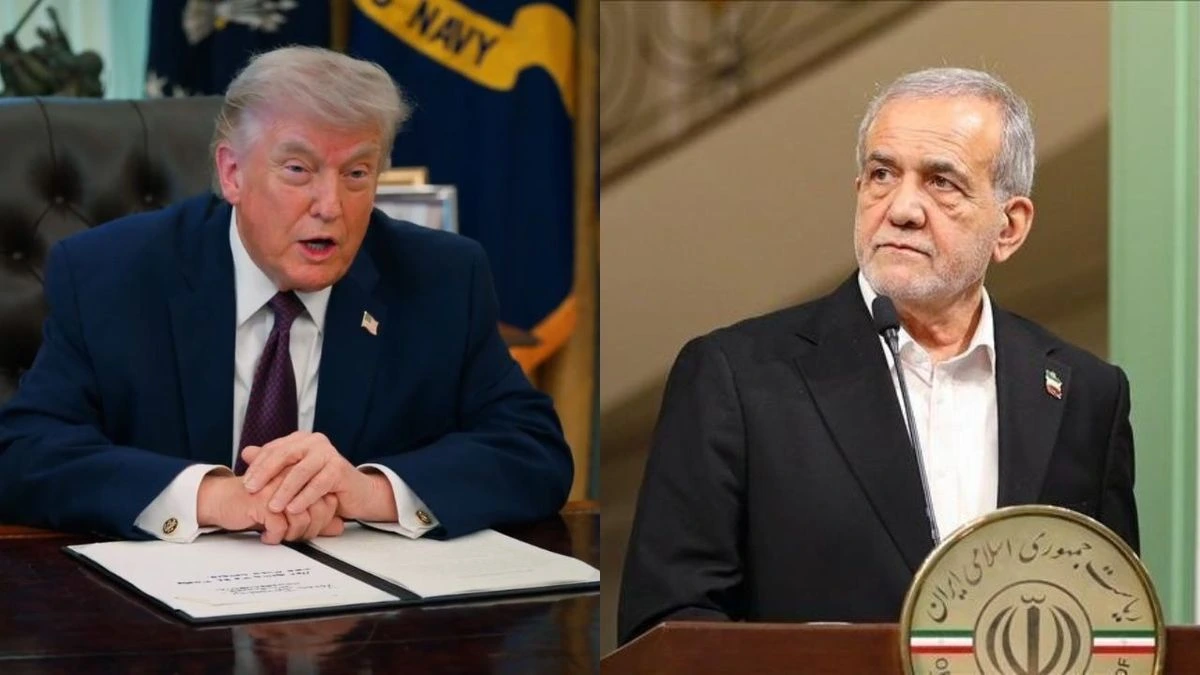
A new series of negotiations between the United States and Iran is set to commence as early as Thursday, aiming to reach a consensus before a ceasefire expires next week. This development follows extensive discussions conducted over the weekend in Islamabad, lasting nearly 21 hours and including multiple mediators, which concluded without reaching an agreement.

According to reports from the Associated Press, both nations are contemplating direct talks, supported by insights from two US officials and an individual familiar with the situation. A diplomat from one of the mediating countries suggested that both Tehran and Washington have tentatively agreed to reconvene, although it remains crucial to note that details regarding timing, delegation levels, and the format of these talks are still in flux.

While Islamabad is once again being discussed as a potential location for these negotiations, Geneva has also surfaced as a possible alternative. If confirmed, the discussions could take place on Thursday, though logistical arrangements are still in their preliminary phases.

Context of Previous Discussions

The Islamabad discussions, which extended for nearly 21 hours, were facilitated by mediators from Pakistan, Turkey, Egypt, and Oman. Despite the extensive dialogue, no agreement was reached, although officials described the gathering as a key step in what is anticipated to be a protracted negotiation process.

In parallel, the US has intensified pressure on Iran, which includes implementing a naval blockade focused on Iranian ports situated in the Strait of Hormuz. Officials in Washington view this blockade as a strategic leverage point designed to encourage Tehran to re-enter negotiations, while Iran asserts that it retains significant bargaining power through its control of the vital shipping route and influence over global oil distribution.

White House officials have outlined non-negotiable demands from the US side, which include a complete cessation of uranium enrichment by Iran for 20 years, dismantling key nuclear facilities that were compromised during a bombing campaign in June, and providing information on more than 400 kilograms of highly enriched uranium that is supposedly stored in underground facilities.

Proposals and Future Interactions

Despite these demands, Iran has previously dismissed such conditions, and its stance appears to have remained relatively unchanged amidst ongoing tensions. Reports indicate that during the Islamabad discussions, both parties presented various proposals intended to address the nuclear impasse. Among these was a US suggestion for Iran to agree to a 20-year halt on uranium enrichment, according to a source privy to the negotiations.

Moreover, US President Donald Trump has indicated that the United States and Iran may find common ground to eliminate what he refers to as “nuclear dust,” although Iranian officials have shown minimal engagement with this notion. Concerns are reportedly rising within the US administration regarding the potential risks of escalating into a significant conflict, particularly considering the political and economic ramifications of an extended military engagement.

Amidst these developments, the ongoing search for a viable resolution reflects the complexities of the geopolitical landscape that both nations are navigating, underscoring the importance of sustained dialogue to avert a larger crisis.

Long or Short, get news the way you like. No ads. No redirections. Download Newspin and Stay Alert, The CSR Journal Mobile app, for fast, crisp, clean updates!

App Store –  https://apps.apple.com/in/app/newspin/id6746449540 

Google Play Store – https://play.google.com/store/apps/details?id=com.inventifweb.newspin&pcampaignid=web_share

Latest News

Popular Videos
