


Punjab Launches 60-Day Anti-Drug Strategy Focusing on Networks
The CSR Journal Magazine

Punjab has introduced a targeted 60-day anti-drug initiative aimed at dismantling drug networks, responding to criticism after the murder of anti-drug activist Parvinder Singh Jhota in Mansa on October 13. The Aam Aadmi Party government, led by Chief Minister Bhagwant Mann, convened a high-level meeting at the Punjab Police Academy in Phillaur to discuss the new approach. This meeting included deputy commissioners, senior superintendents of police, sub divisional magistrates, and deputy superintendents of police.

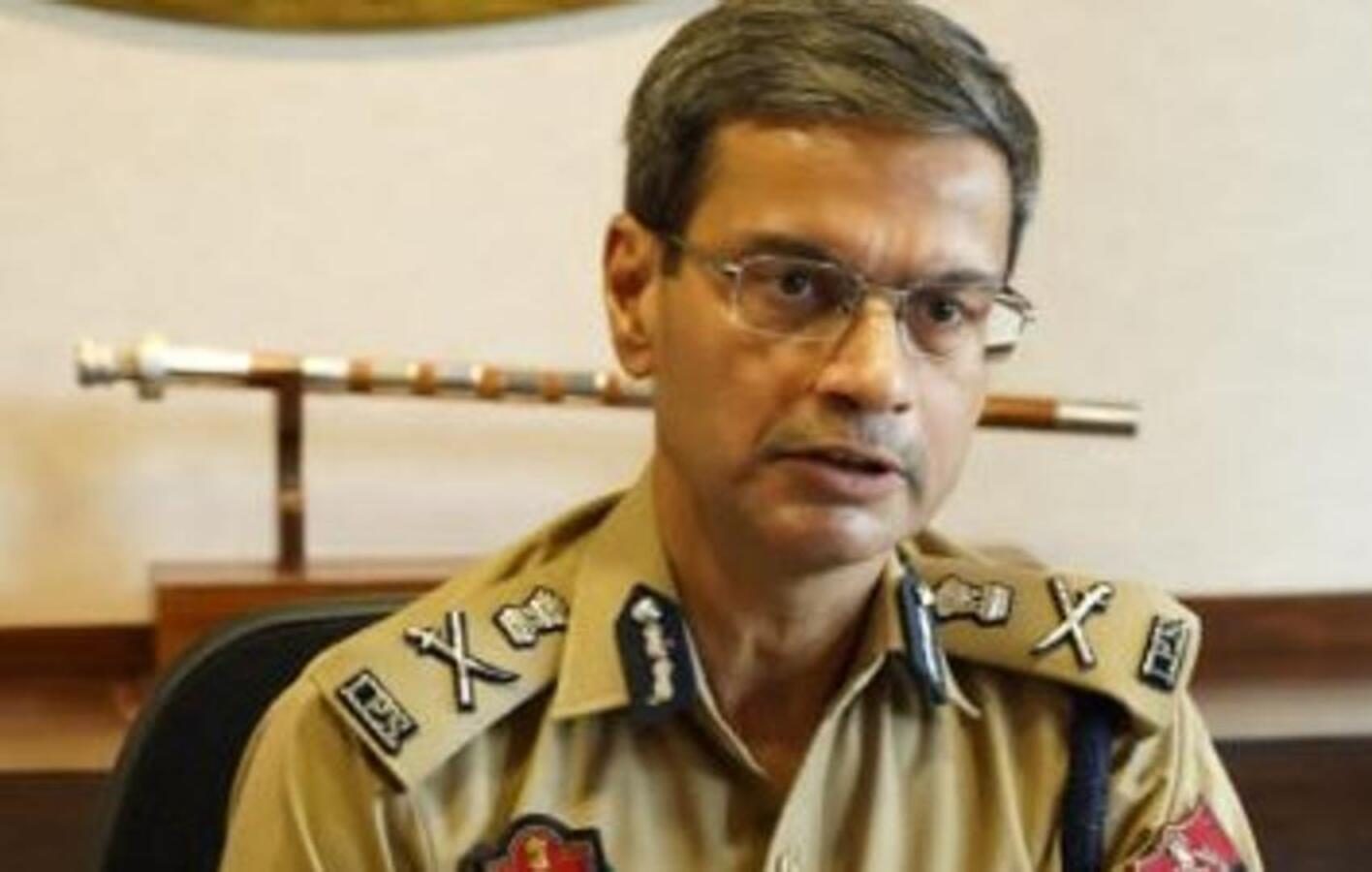
Director General of Police Gaurav Yadav announced that the strategy will transition from an arrest-focused model to one centred on disrupting drug supply chains. This shift aims to neutralise the financial incentives that sustain these networks. The plan emphasises collaboration among various government sectors to enhance the effectiveness of the anti-drug campaign.

Identification of Hotspots and Recovery Plans

As part of the new strategy, authorities have identified 435 hotspots across the state, utilising intelligence inputs, assessments from village defence committees, and district evaluations. Police have compiled a list of 2,913 drug peddlers and 312 major suppliers operating in these areas. Each hotspot will be monitored by gazetted officers from both the police and civil administration to ensure effective oversight and intervention.

The recovery plan, spearheaded by deputy commissioners, focuses on joint actions to prevent the resurgence of illicit drug operations. Local governments are set to install CCTV cameras and improve street lighting in these hotspots. Concurrently, the health department will expand de-addiction services to support individuals struggling with substance abuse.

In addition, the education department will initiate awareness campaigns aimed at students and parents, while the sports department plans to launch athletic programmes to engage the youth positively. Senior officials will be required to submit weekly progress reports to ensure accountability and transparency in the implementation of these initiatives.

Enforcement Measures and Previous Outcomes

The enforcement aspect of the strategy also addresses the smuggling of pharmaceutical drugs from neighbouring states, including Himachal Pradesh, Uttar Pradesh, Gujarat, and Haryana. DGP Gaurav Yadav provided insights into the enforcement outcomes achieved since March 2022. The police have registered 95,645 cases under the Narcotic Drugs and Psychotropic Substances (NDPS) Act and have arrested over 1.25 lakh drug peddlers during this period.

Significant seizures include 7,265 kg of heroin and ₹60 crore in cash, along with properties valued at ₹902 crore that have been frozen across 374 cases. Punjab boasts a 90 per cent conviction rate under the NDPS Act, which is the highest in India. This robust enforcement record underscores the state’s commitment to tackling drug-related issues effectively.

The broader anti-drug campaign in Punjab began with an emphasis on disrupting supply chains and rehabilitating addicts. The initiative has mobilised 1.5 lakh volunteers under the Pinda de Pehredaar programme, which has led to the establishment of village defence committees. These efforts have laid the groundwork for the ongoing rural outreach campaign and the newly introduced 60-day hotspot strategy.

Long or Short, get news the way you like. No ads. No redirections. Download Newspin and Stay Alert, The CSR Journal Mobile app, for fast, crisp, clean updates!

App Store – https://apps.apple.com/in/app/newspin/id6746449540

Google Play Store – https://play.google.com/store/apps/details?id=com.inventifweb.newspin&pcampaignid=web_share

Latest News

Popular Videos
