


Nepal Floods: Army Constructs Rope Bridge and Deploys Helicopters for Rescue Operations
The CSR Journal Magazine

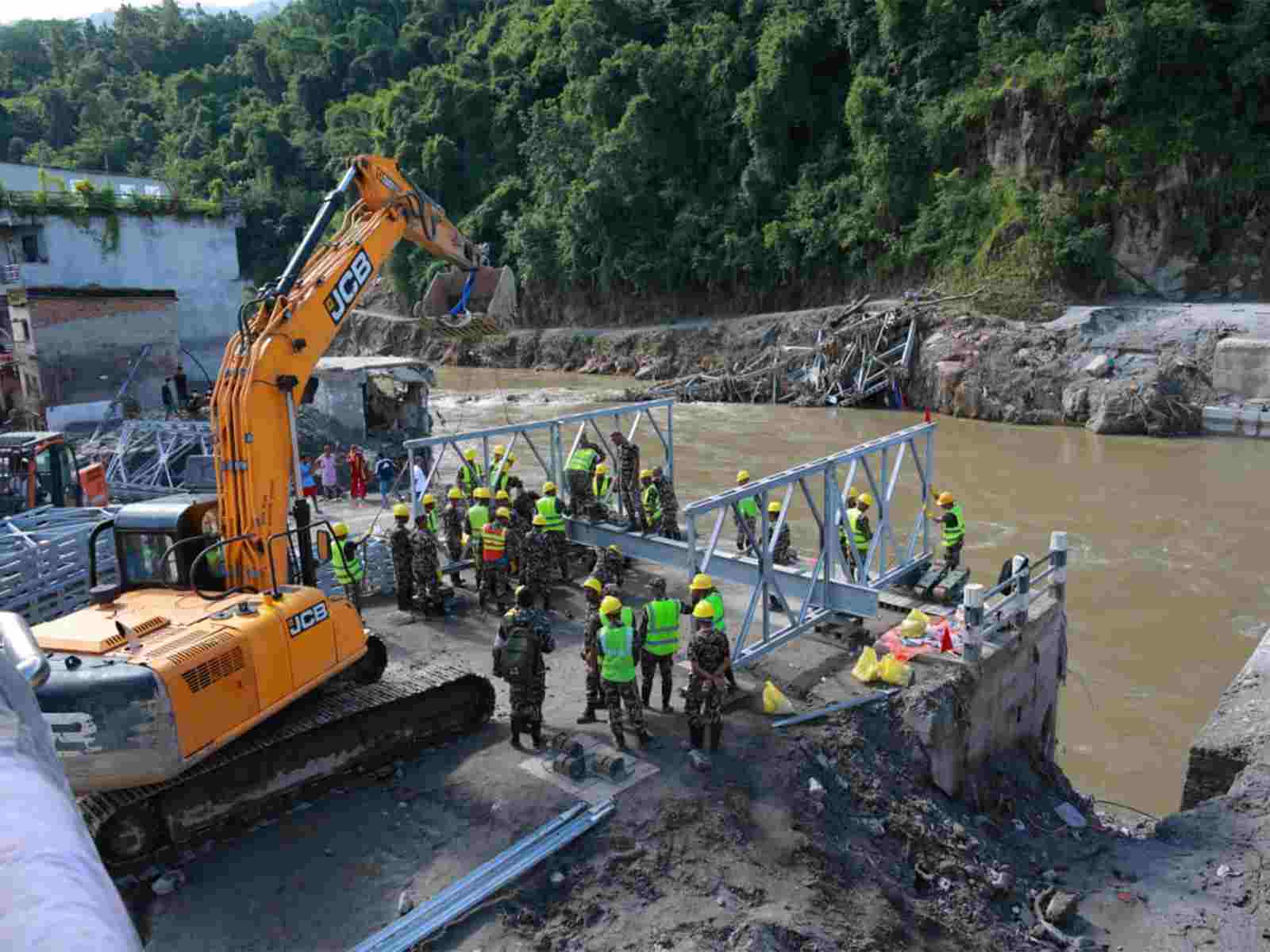
Rescue operations in Nepal are expanding as the Nepalese Army and international agencies mobilise extensive Humanitarian Assistance and Disaster Relief (HADR) efforts. The flash floods reportedly led to at least 1,344 fatalities. In response to the devastating situation, military engineering units are currently constructing a rope bridge over the inundated Tadi River in Nuwakot district. This initiative aims to restore essential ground connectivity to communities isolated from the national road networks.

Alongside the construction efforts, air operations are persistently working under perilous conditions to provide aid and evacuate stranded individuals. Rescue personnel have shared footage on social media platforms highlighting the urgency and challenges faced during these operations.

The Nepalese Army’s posts on X detail the ongoing projects and relief activities, illustrating the military’s proactive stance in addressing the crisis. Construction of the rope bridge is a key part of the strategy to assist those affected by the floods.

Deployment of Helicopters for Search and Relief Operations

To further enhance rescue and relief efforts, the Nepalese Army has deployed approximately 20 helicopters, facilitating search, rescue, and distribution missions across the severely affected Nuwakot and Rasuwa districts. The air operations have continued despite adverse weather conditions and challenging terrains, which complicate the missions and limit access to usable helipads due to the flood damage.

Aircrews are conducting continuous aerial drops and evacuations to reach displaced families, navigating through tight valleys. Visual evidence released by military officials illustrates the critical airborne missions undertaken to assist those in distress. The effectiveness of these operations is evident as teams successfully engage with affected regions.

As developments unfold regarding the Bhote Koshi floods, updates from the Nepal Police confirm the death toll, marking a critical aspect of the ongoing humanitarian crisis management.

International Support and Collaborative Efforts

India’s involvement in Nepal’s HADR operations represents a significant aspect of international cooperation during this crisis. The Indian tunnel rescue team has been working closely with the Nepal Army to mitigate the effects of severe flooding and landslides in the Rasuwa district. They focused on draining excess water from the Chilime tunnel, a vital area impacted by the floods.

The collaborative approach between Indian specialists and Nepalese defence forces highlights a commitment to cross-border disaster response. The Indian Ambassador to Nepal, Naveen Srivastava, has acknowledged India’s dedication to providing both expertise and humanitarian aid to affected communities.

In addition to technical efforts, medical officers accompanying the Indian delegation have organised health camps within local communities. These camps offer essential health check-ups and vital supplies, showcasing a comprehensive approach to disaster relief focusing on both immediate needs and long-term recovery for the residents.

Long or Short, get news the way you like. No ads. No redirections. Download Newspin and Stay Alert, The CSR Journal Mobile app, for fast, crisp, clean updates!

App Store –  https://apps.apple.com/in/app/newspin/id6746449540 

Google Play Store – https://play.google.com/store/apps/details?id=com.inventifweb.newspin&pcampaignid=web_share

Latest News

Popular Videos
