


Israel-Hezbollah Conflict Focus of US-Iran Talks in Switzerland
The CSR Journal Magazine

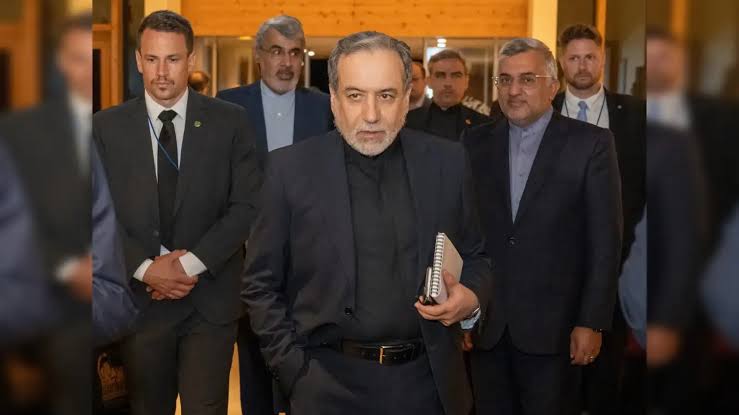
The ongoing peace talks in Switzerland have seen US and Iranian negotiators prioritising the conflict between Israel and Hezbollah. This session, labelled as an emergency discussion, was initiated to tackle the complexities surrounding the discord on June 21, 2026. A diplomat reported that this issue would lead the agenda as the delegations commence their negotiations.

As tensions escalate, both parties are presenting opposing narratives regarding the situation in the Strait of Hormuz. Iran asserts control over this vital waterway, claiming it’s a response to what they label as violations of ceasefire agreements by Israel. The United States has refuted these assertions, with President Donald Trump suggesting potential imposition of tolls if a resolution is not achieved.

Arrival of Delegations and Mediators

On the morning of June 21, US Vice President JD Vance made his departure for Switzerland, while the Iranian delegation had already arrived. The Swiss Foreign Ministry confirmed the presence of the Iranian team, stating their visit was part of implementing a memorandum of understanding signed between the United States and Iran. The announcement was made via a post on X, welcoming the Iranian delegation to Switzerland.

Qatari and Pakistani mediators are also involved in these discussions. Significantly, the negotiations do not include representatives from Israel, Hezbollah, or the Lebanese government, which may indicate a substantial shift in US strategy to allow the Israel-Hezbollah conflict to be part of these dialogues.

The inclusion of such a contentious issue highlights the broader regional implications of these negotiations and the evolving diplomatic approaches taken by both the US and Iran.

Iranian Stance and Historical Context

Amidst the negotiations, Iranian Parliament Speaker MB Ghalibaf invoked the memory of victims from the Minab school incident to underscore the significance of the talks with the United States. Ghalibaf stated that the sacrifices made by these individuals would guide Iran’s actions during the negotiations. His remarks were made public via a post on X, where he expressed a deep sense of responsibility towards the memory of the children lost in this tragic event.

His statement not only serves to underscore the emotional weight of the discussions but also reflects Iran’s commitment to its narrative and the importance of memory in shaping current political actions. Ghalibaf articulated a vision of integrity, stating that he is conscious of the expectations set by the martyrs and the Iranian populace.

This invocation of historical incidents demonstrates a strategic use of emotional appeals in the negotiations, aligning the talks with national sentiment. Ghalibaf’s reference to the Minab tragedy further complicates the dynamics of the negotiations, as it intertwines emotional weight with political discourse.

Potential Outcomes and Regional Implications

The outcome of these negotiations may significantly impact the geopolitical landscape of West Asia. As the US and Iranian delegations engage in dialogue, the potential for diplomatic resolution remains critical. However, the absence of Israeli and Hezbollah representatives might limit comprehensive discussions pertinent to regional stability.

Negotiators are tasked with navigating a complex web of narratives and historical grievances. The engagement of mediators from Qatar and Pakistan also suggests a broader collective interest in achieving peace in the region, which may influence the strategies employed by both parties.

The negotiations in Switzerland could mark a pivotal moment for US-Iran relations and West Asian stability, leading to developments that will be closely monitored by regional and international stakeholders. As discussions unfold, the atmosphere remains charged with both expectation and uncertainty about the future of the Israel-Hezbollah conflict within the larger context of Middle Eastern politics.

Long or Short, get news the way you like. No ads. No redirections. Download Newspin and Stay Alert, The CSR Journal Mobile app, for fast, crisp, clean updates!

App Store –  https://apps.apple.com/in/app/newspin/id6746449540 

Google Play Store – https://play.google.com/store/apps/details?id=com.inventifweb.newspin&pcampaignid=web_share

Latest News

Popular Videos
