


FSSAI CEO Highlights Indian Eating Patterns With Two Meals a Day
The CSR Journal Magazine

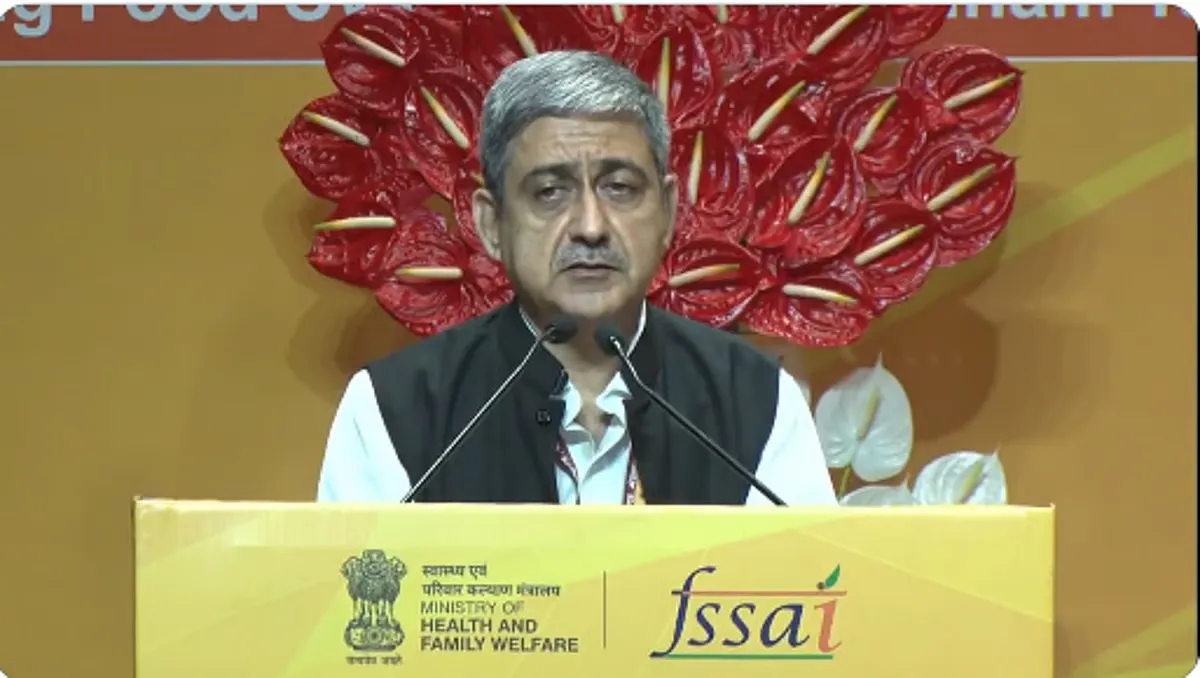
The Food Safety and Standards Authority of India (FSSAI) CEO, Rajit Punhani, recently discussed the conventional eating habits of Indians, suggesting they traditionally consisted of two meals a day rather than the widely accepted three. This assertion draws attention to how food consumption patterns have evolved over the years.

Punhani’s remarks reflect a significant shift from traditional practices, suggesting that many people have adopted a modern lifestyle that may overlook these historical contexts. He noted that the increasing emphasis on breakfast as a critical meal has led to the proliferation of packaged foods catering to this shift. In earlier times, Indian diets were predominantly established around locally sourced ingredients prepared at home, differing substantially from current eating trends dominated by convenience.

Introduction of the Eat Right Thali Concept

FSSAI has introduced the Eat Right Thali initiative to promote traditional Indian meals as a healthier eating option. This project aims to bring together regional culinary practices and local dishes from various areas across India. The Eat Right Thali is highlighted on the FSSAI’s Eat Right India platform, which serves as a resource to encourage healthier food choices among the population.

Rather than advocating a one-size-fits-all diet, the initiative acknowledges India’s diverse food customs, which can vary significantly from one region to another. For instance, the dietary staples in Punjab differ vastly from those in Tamil Nadu or Bengal, showcasing the rich culinary diversity the country has to offer.

The focus on traditional ingredients allows for a well-balanced diet that incorporates grains, pulses, vegetables, dairy products, and a variety of spices. This reflects a commitment towards celebrating local culinary traditions while aiming for healthier consumption habits.

Challenges of Modern Eating Habits

Punhani’s comments are significant in the context of the growing reliance on packaged and processed foods. Many of these products are marketed as convenient meal options, particularly for breakfast. However, their nutritional value is often questionable due to aggressive marketing tactics that can confuse consumers about what constitutes healthy eating.

To combat this issue, FSSAI is focusing on enhancing consumer awareness regarding food labelling. The aim is to empower individuals to make more informed choices when selecting products. Their Eat Right India initiative emphasises the importance of understanding balanced diets and being cautious of foods high in fats, sugars, and salts.

FSSAI’s approach is comprehensive, addressing not just regulations but also the necessity for consumer education, ensuring that individuals can navigate food choices effectively. This initiative thus seeks to clarify the distinctions between healthy and unhealthy options in a marketplace increasingly saturated with processed foods.

Return to Traditional Eating Patterns

The overarching message from Punhani’s discussion is that adopting healthier eating habits does not necessitate following complex diets or global food trends. For many in India, this may involve revisiting age-old culinary practices within their communities.

The Eat Right Thali serves as a familiar format that encapsulates regional preferences while preventing the imposition of a universal dietary model. As food habits fluctuate, the focus may not solely be on the frequency of meals, but rather on the quality of those meals.

It raises important questions regarding how traditional and balanced diets can regain relevance in contemporary Indian households. Ultimately, FSSAI’s efforts encourage a dual approach that combines regulatory oversight with educational initiatives, aiming to make healthier food choices more accessible and manageable for consumers across India.

Long or Short, get news the way you like. No ads. No redirections. Download Newspin and Stay Alert, The CSR Journal Mobile app, for fast, crisp, clean updates!

App Store –  https://apps.apple.com/in/app/newspin/id6746449540 

Google Play Store – https://play.google.com/store/apps/details?id=com.inventifweb.newspin&pcampaignid=web_share

Latest News

Popular Videos
