


app-store-logo
play-store-logo
February 5, 2026

Easy Electric Kettle Cleaning Tips to Remove Limescale
The CSR Journal Magazine

Electric kettles are a common appliance in many Indian households and offices, used regularly to boil water for tea, coffee, or cooking purposes. With frequent usage, minerals present in water—especially calcium and magnesium—tend to accumulate inside the kettle over time, forming a white or chalky deposit known as limescale. This build-up can affect the performance and longevity of the appliance if not cleaned at regular intervals.

Easy and Effective Cleaning Techniques

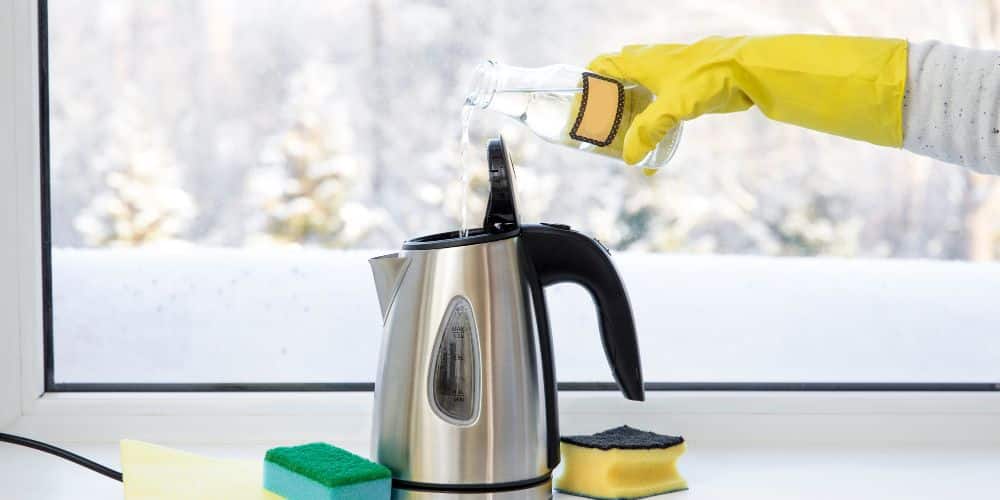
Cleaning an electric kettle does not require any specialised equipment or chemicals. Several effective techniques can be used at home using easily available ingredients. One of the most widely used methods involves white vinegar. To clean the kettle, fill it halfway with equal parts water and white vinegar, bring the solution to a boil, and then let it sit for about 15 to 20 minutes before discarding the contents. Rinse the kettle thoroughly with fresh water to remove any lingering smell.

Another popular alternative is to use lemon juice. Similar to the vinegar method, mix lemon juice with water in the kettle, bring it to a boil, and allow it to sit for some time. This approach not only helps in removing mineral deposits but also leaves a fresh citrus scent behind.

In cases where vinegar or lemon are not preferred, baking soda can also be an option. Dissolve a teaspoon of baking soda in water, boil the solution, let it sit, and then rinse the kettle several times with normal water to ensure all residue is removed.

Precautions to Ensure Safe Usage

While cleaning an electric kettle is relatively simple, certain precautions should be taken to prevent damage. It is important to ensure that the appliance is unplugged and completely cooled down before starting the cleaning process. Harsh scrubbing tools should be avoided, especially on the heating element, as they can cause scratches or degrade the surface.

After cleaning, it is advisable to boil plain water once or twice before using the kettle for consumption. This ensures that all cleaning agents—whether vinegar, lemon, or baking soda—are completely flushed out, avoiding any taste or smell in the boiled water.

Maintaining the Kettle for Long-Term Efficiency

Regular cleaning is key to extending the life and maintaining the efficiency of an electric kettle. Depending on water hardness and frequency of use, cleaning every two to four weeks is generally recommended. Using filtered or softened water where possible can also help minimise scale formation.

Proper storage after use—by leaving the lid open to allow the interior to dry—can prevent mould and unpleasant odours. Ensuring the kettle is dry and empty when not in use further contributes to its hygiene and durability. Frequent inspection and timely cleaning can help keep the appliance functioning safely and efficiently over the long term.

Long or Short, get news the way you like. No ads. No redirections. Download Newspin and Stay Alert, The CSR Journal Mobile app, for fast, crisp, clean updates!

Latest News

Popular Videos
