


Amazon Loses 40 Leo Satellites After ULA’s Vulcan Rocket Fails
The CSR Journal Magazine

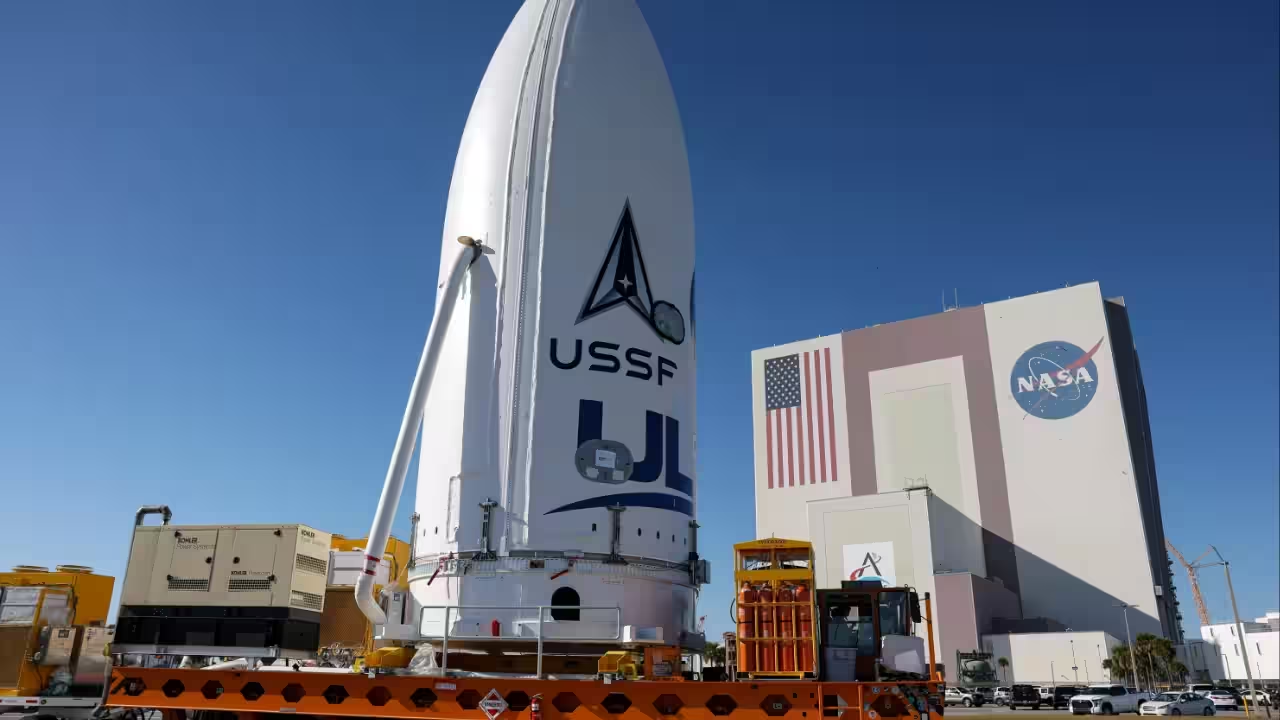
Amazon has lost 40 satellites intended for its Low Earth Orbit (Leo) internet network following the failure of a Vulcan rocket operated by United Launch Alliance (ULA). The incident occurred approximately ten minutes after liftoff from Cape Canaveral, Florida, on Sunday, marking a significant setback for ULA, which has been operational for two decades. The rocket, a joint venture between Boeing and Lockheed Martin, launched from Space Launch Complex 41 at 12:40 pm local time (1740 GMT).

According to a statement from ULA, the rocket experienced an anomaly during its flight, preventing the satellites from reaching their designated orbit. The company confirmed the failure based on data received from its Launch Director. ULA noted that the cause of the anomaly was not immediately identifiable, as the event had just transpired.

ULA stated, “Every flight generates data, and every flight teaches us something. Since the anomaly just occurred, we don’t have any specific data yet to understand what occurred today.” This failure represents a significant challenge for ULA as it seeks to establish a consistent launch schedule for Amazon’s expanding satellite internet constellation.

Impact on Amazon’s Satellite Internet Plans

The loss of the 40 satellites is a considerable setback for Amazon, which has contracted ULA for 38 launches. The Vulcan rocket was expected to carry nearly half of the first generation of Amazon’s Leo satellite network, which is designed to consist of 3,232 satellites, as reported by Agence France-Presse (AFP). This mission represented the largest batch of satellites Amazon has attempted to launch in a single flight.

Since April 2025, Amazon has successfully deployed around 400 satellites but had not conducted any launches since July. The company had aimed to utilise this satellite constellation to initiate its commercial internet service, Amazon Leo, in 2026. In a statement on X, Amazon Leo acknowledged the inherent risks associated with any launch, particularly inaugural missions, and expressed confidence that ULA would learn from this experience to fulfil its long-term objectives for the Vulcan rocket.

This failure occurs amid Amazon’s competition with Elon Musk’s Starlink in the satellite internet sector, intensifying the pressure on the company to expedite its satellite deployment.

Alternative Launch Options for Amazon

In addition to ULA, Amazon is exploring other rocket providers to facilitate the deployment of its satellite constellation. Blue Origin, founded by Jeff Bezos, has its New Glenn rocket, which is also expected to carry Amazon satellites. However, this rocket has remained grounded since an explosion during a test in May.

Furthermore, Amazon is a significant commercial client of French launch company Arianespace, which is scheduled to launch 36 of its satellites aboard an Ariane 6 rocket no earlier than November 23 from Kourou in French Guiana. This diversification of launch options is crucial for Amazon as it seeks to recover from the recent setback.

The Vulcan rocket failure occurred just a day after SpaceX successfully deployed 26 large Starlink satellites during a test flight of its Starship rocket. This flight also achieved a milestone by catching a spacecraft using mechanical arms on its launch tower, marking a significant advancement in rocket reusability.

Long or Short, get news the way you like. No ads. No redirections. Download Newspin and Stay Alert, The CSR Journal Mobile app, for fast, crisp, clean updates!

App Store – https://apps.apple.com/in/app/newspin/id6746449540

Google Play Store – https://play.google.com/store/apps/details?id=com.inventifweb.newspin&pcampaignid=web_share

Latest News

Popular Videos
