


Algorithmic Sovereignty Shapes Global Power Dynamics
The CSR Journal Magazine

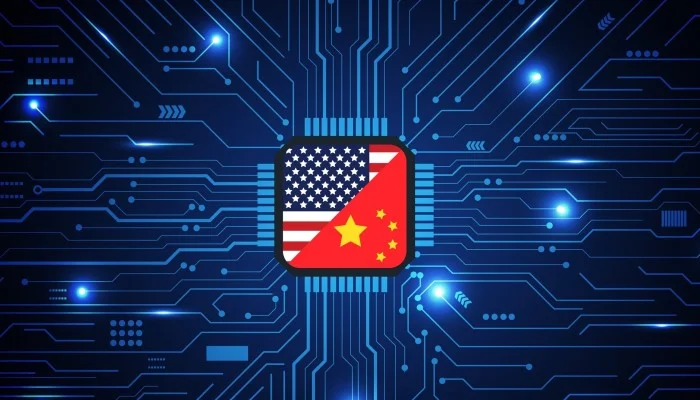
The recent imposition of rigorous export controls by the United States on advanced AI chips has significantly impacted China’s tech landscape. In response, China has rapidly increased its domestic semiconductor investments, echoing Cold War-era industrial strategies. Additionally, the nation has implemented stricter regulations concerning essential minerals like gallium and germanium, which are critical for chip production.

Amid this geopolitical tension, generative AI technologies have emerged, offering capabilities such as drafting legal documents, diagnosing medical conditions, and creating software. These innovations are influencing both democratic and authoritarian regimes alike, changing how governance and decision-making processes are conducted.

With every historical period witnessing its own power dynamics, the 21st century is characterised by a new equation that prioritises data, computational capacity, and advanced models as the primary resources of authority. The transformative potential of AI suggests that nations must re-evaluate their standing in this evolving landscape.

Models of Sovereign AI Development

Three distinct frameworks for sovereign AI development have started to materialise on the global stage. The United States follows a decentralised model that prioritises private innovation and venture capital while aligning closely with national strategies. This model aggregates resources from various sectors, including substantial investments through initiatives such as the CHIPS and Science Act, which reinforces domestic semiconductor capabilities.

In contrast, China operates under a state-directed, vertically integrated model of AI development. The Chinese government’s industrial policies emphasise AI as a key strategic industry, with substantial financial support provided for semiconductor manufacturing. This approach also integrates military applications with civilian technological advancements to ensure comprehensive control over AI technologies.

Europe presents a different perspective, focusing on regulatory frameworks as a form of sovereign power. While lacking the vast financial resources seen in the US or China, European nations are attempting to assert influence in global technology markets through comprehensive data governance and AI safety regulations. The enactment of the EU’s AI Act demonstrates a proactive approach to establishing standards that shape the competitive landscape, thereby functioning in a manner that fosters a distinct form of sovereignty.

India’s Unique Position and Challenges

India, distinguished by its vast digital infrastructure and substantial software talent, must navigate a unique path in the realm of AI. The country’s considerable data capital offers opportunities, however, it faces challenges in scaling its semiconductor manufacturing capabilities and high-performance computing resources. Investments in these areas are crucial for unlocking its full potential in AI development.

Linguistic diversity poses another challenge for India, with 22 recognised languages and numerous dialects. To achieve genuine algorithmic sovereignty, AI systems may need to be trained in multiple Indic languages, thereby ensuring that technological advancements reflect the country’s rich pluralism and cultural heritage.

Institutional stability is critical for sustaining long-term technological investments in a large democracy like India. The ability to maintain a cohesive regulatory environment is paramount for fostering innovation and mitigating volatility in policy, which can impact the growth trajectory of the AI sector.

Furthermore, as AI technologies evolve, the question of accountability in autonomous systems becomes increasingly significant. For India, establishing a governance framework that aligns with its democratic values and ethical traditions may offer an opportunity to shape its approach to AI development and implementation. Ultimately, defining indigenous standards and values will be essential in navigating the complexities of modern AI governance.

Long or Short, get news the way you like. No ads. No redirections. Download Newspin and Stay Alert, The CSR Journal Mobile app, for fast, crisp, clean updates!

App Store –  https://apps.apple.com/in/app/newspin/id6746449540 

Google Play Store – https://play.google.com/store/apps/details?id=com.inventifweb.newspin&pcampaignid=web_share

Latest News

Popular Videos
