


LCA Mk-1A To Join IAF Within This Financial Year
The CSR Journal Magazine

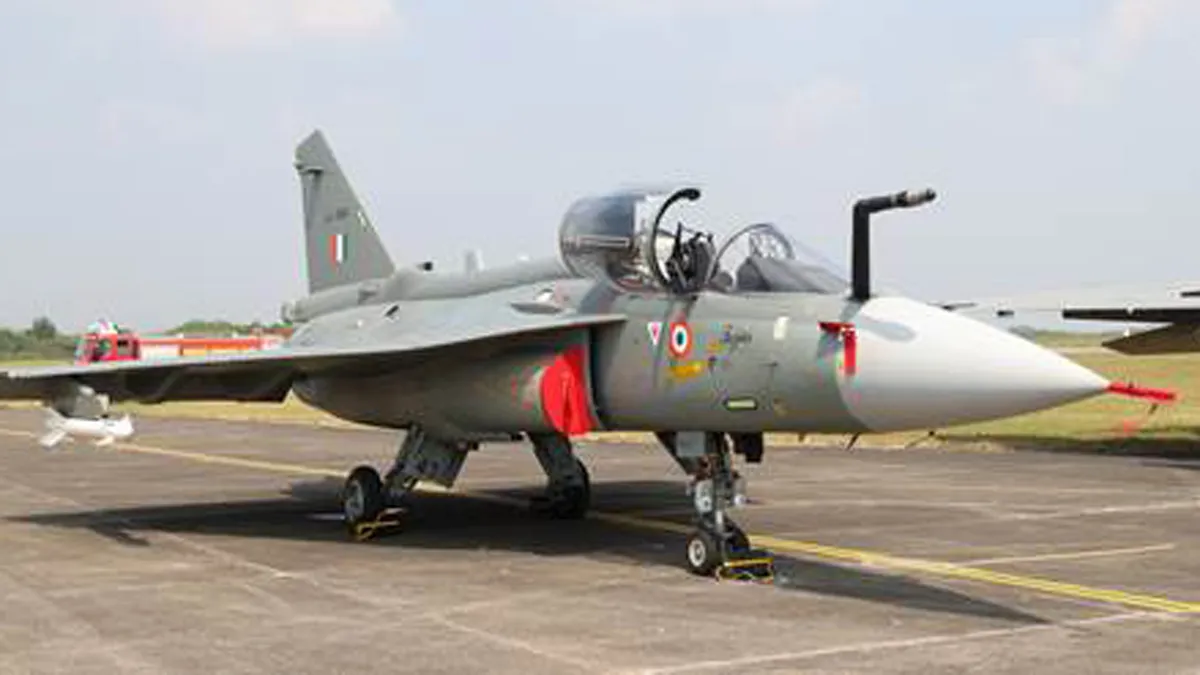
The Indian Air Force (IAF) chief, Air Chief Marshal Ashutosh Dixit, announced on Monday that the light combat aircraft (LCA Mk-1A) will be inducted into service within the financial year 2026-27. This announcement comes as part of the IAF’s efforts to enhance its fighter fleet capabilities. Dixit stated, “We will have LCA Mk-1A joining the IAF within this financial year. We will have a squadron, and then we will continue developing, and we will take it further.”

This aircraft is expected to play a significant role in modernising the IAF’s fleet, particularly as it aims to replace older models. The LCA Mk-1A will be the first aircraft to enter service under Dixit’s leadership, marking a pivotal moment for the IAF. The induction follows several delays that have pushed back the aircraft’s operational readiness.

The LCA Mk-1A is intended to replace the MiG-21s, which were retired last year after over sixty years of service. The IAF has placed orders for 180 units of the Mk-1A with Hindustan Aeronautics Limited (HAL), amounting to a total of ₹1.1 lakh crore. This investment reflects the IAF’s commitment to strengthening its indigenous capabilities.

Future Developments in Fighter Aircraft

In addition to the LCA Mk-1A, Dixit highlighted the progress of the LCA Mk-2 and the Advanced Medium Combat Aircraft (AMCA) programmes. He mentioned that the LCA Mk-2 is expected to roll out next year, indicating a rapid advancement in the development of indigenous fighter aircraft. The IAF is actively pursuing the operationalisation of the LCA Mk-2, which will replace older aircraft models such as the Mirage 2000s, MiG-29s, and Jaguars.

HAL has reported that the structure of the LCA Mk-2 is complete, with the front, centre, and rear fuselage sections successfully joined. The organisation is targeting the first ground run by March next year, with the maiden flight anticipated later in the year. This timeline underscores the urgency with which the IAF is seeking to enhance its combat capabilities.

Dixit emphasised that creating an indigenous capability in designing, developing, testing, and producing fighter aircraft is a significant challenge. He noted that only a few countries have successfully achieved this feat, highlighting the importance of the IAF’s ongoing modernisation efforts.

Strategic Imperatives for IAF

The IAF is currently facing a critical shortage of fighter aircraft, making the restoration of its combat strength a top priority. Dixit reiterated that operationalising the LCA Mk-1A is essential for addressing this shortfall. The IAF’s focus on indigenisation aims to reduce reliance on foreign imports and enhance self-sufficiency in defence capabilities.

Moreover, speeding up the AMCA programme is deemed crucial in light of regional security dynamics, particularly with China’s advancements in military aviation. The Chinese military has already deployed the J-20 fifth-generation fighters and is in the process of rolling out the J-35 stealth fighters. This context adds urgency to the IAF’s efforts to develop and operationalise advanced aircraft.

As the IAF continues to navigate these challenges, the successful induction of the LCA Mk-1A, alongside the development of the LCA Mk-2 and AMCA, will be vital in ensuring the air force remains capable and competitive in the face of evolving threats. The commitment to indigenisation and modernisation reflects a strategic approach to enhancing national security through self-reliance in defence production.

Long or Short, get news the way you like. No ads. No redirections. Download Newspin and Stay Alert, The CSR Journal Mobile app, for fast, crisp, clean updates!

App Store – https://apps.apple.com/in/app/newspin/id6746449540

Google Play Store – https://play.google.com/store/apps/details?id=com.inventifweb.newspin&pcampaignid=web_share

Latest News

Popular Videos
