


Why Do Your Eyes Twitch Randomly? Common Causes, Triggers and What It Means
The CSR Journal Magazine

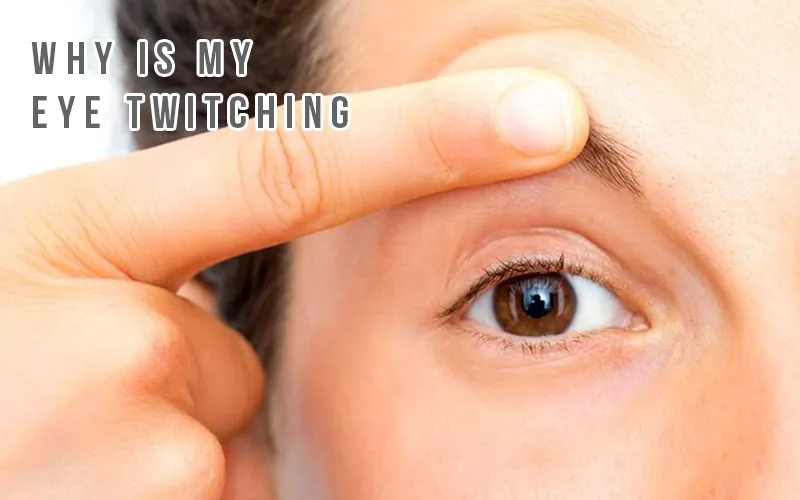
Random eye twitching, known medically as eyelid myokymia, is a common phenomenon that many individuals experience during their daily activities. This involuntary movement of the eyelid can occur suddenly while working, using a mobile phone, or engaging in other routine tasks. The twitches may last for a few seconds or recur throughout the day, often without a clear cause. Dr Madhura M, a consultant retina, cataract, and refractive surgeon at Vasan Eye Care in Jayanagar, elaborates on the factors contributing to this condition.

According to Dr Madhura, one of the primary triggers for eyelid twitching is fatigue. Insufficient sleep can make the muscles surrounding the eyes more prone to involuntary contractions. Stress and anxiety are also significant contributors, as they can heighten nervous system activity, making these minor muscle movements more pronounced. The condition is generally harmless and tends to resolve on its own without requiring medical intervention.

Other factors that may lead to eyelid twitching include excessive caffeine intake, prolonged exposure to screens, and eye strain. Spending extended periods focused on computers or mobile devices can decrease the frequency of blinking, resulting in dryness and irritation of the ocular surface. This irritation may exacerbate twitching, especially in individuals who already suffer from dry eyes.

Identifying When to Seek Medical Attention

While ordinary eyelid twitching is typically not indicative of a serious neurological disorder, certain symptoms should prompt a medical evaluation. Dr Madhura advises that if the twitching persists for several weeks, becomes more frequent, or is accompanied by other symptoms such as involuntary eye closure, difficulty in opening the eyelid, redness, swelling, or discharge, it is advisable to consult an ophthalmologist. Additionally, if the twitching spreads to other facial areas, it may indicate conditions such as hemifacial spasm or, in rare cases, an underlying neurological issue.

It is essential to differentiate between benign eyelid twitching and more serious conditions. Awareness of the symptoms that warrant medical attention can help individuals make informed decisions about their health. Early intervention may prevent complications and ensure proper management of any underlying issues.

Dr Madhura emphasises the importance of not dismissing occasional eyelid twitching as mere fatigue. Instead, individuals should monitor their symptoms and seek professional advice if they notice any concerning changes.

Effective Management Strategies for Eye Twitching

Managing occasional eyelid twitching begins with identifying and addressing potential triggers. Dr Madhura recommends ensuring adequate sleep, ideally seven to eight hours per night, as well as reducing caffeine consumption. Taking regular breaks from screen time and employing stress management techniques can also be beneficial in alleviating symptoms.

One practical approach to reducing digital eye strain is the 20-20-20 rule. This involves looking at an object 20 feet away for 20 seconds every 20 minutes to help mitigate the effects of prolonged screen exposure. If dryness is present, using preservative-free lubricating eye drops may provide relief and improve comfort.

Ultimately, while occasional eyelid twitching is generally not a cause for concern, persistent or recurrent twitching should not be overlooked. Individuals experiencing such symptoms are encouraged to consult with a healthcare professional to ensure appropriate care and management.

Long or Short, get news the way you like. No ads. No redirections. Download Newspin and Stay Alert, The CSR Journal Mobile app, for fast, crisp, clean updates!

App Store – https://apps.apple.com/in/app/newspin/id6746449540

Google Play Store – https://play.google.com/store/apps/details?id=com.inventifweb.newspin&pcampaignid=web_share

Latest News

Popular Videos
