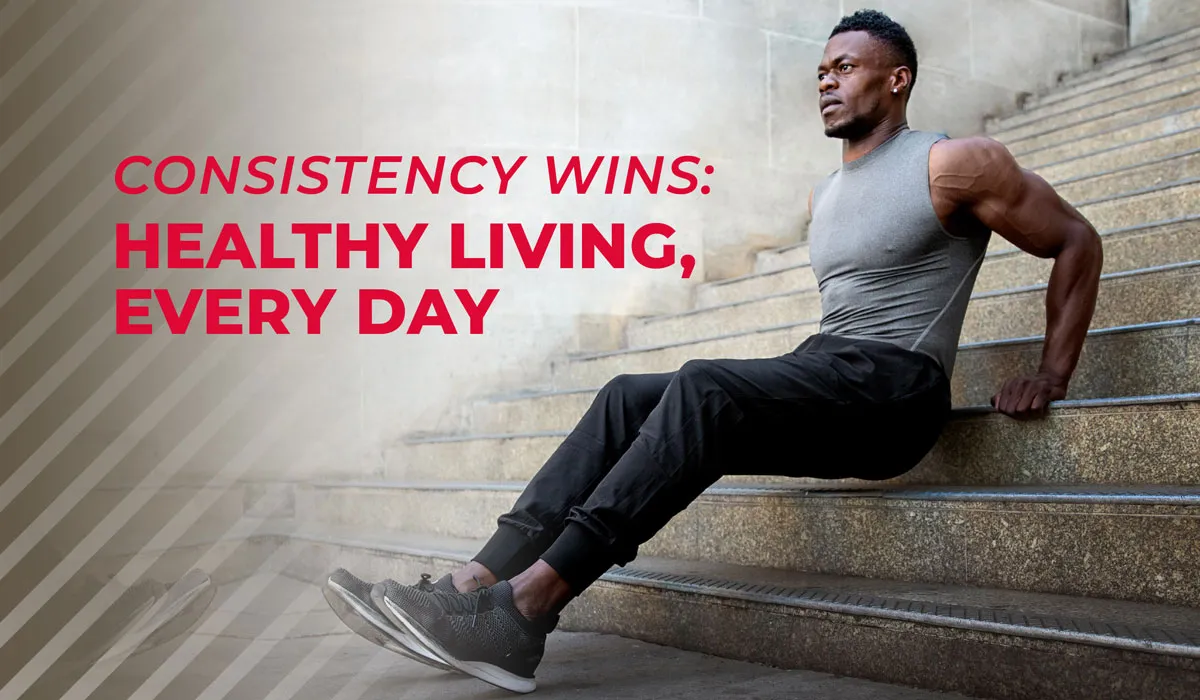

Everywhere you look, fitness advice seems to come with a number attached. Walk 10,000 steps a day. Sweat it out for 45 minutes at the gym. Close your rings. Hit your targets. But in real life, fitness doesn’t always fit neatly into numbers. It fits into rushed mornings, long workdays, low-energy evenings, and the simple question we all ask ourselves: What can I realistically stick to?
Let’s break it down—without the pressure.
The Quiet Power of 10,000 Steps
Walking doesn’t shout for attention. It slips into your day quietly—between errands, during lunch breaks, while taking calls, or in the calm of an evening stroll. Hitting 10,000 steps isn’t about burning yourself out; it’s about staying gently active all day.
This kind of movement keeps your body from being stuck in “sitting mode” for hours. It supports heart health, improves circulation, helps manage weight, and even clears your head. For many people, walking becomes less about fitness and more about mental space—a pause button in a noisy day.
The biggest advantage? Walking is easy to keep up with. No equipment, no rules, no intimidation. Just you, your pace, and the road ahead.
The Intensity of a 45-Minute Workout
Now contrast that with a gym workout. It’s focused. Intentional. You step in knowing you’ll push yourself—heart pounding, muscles burning, sweat dripping. In just 45 minutes, you can challenge your body in ways walking simply can’t.
Strength training builds muscle and protects your bones. Cardio improves stamina and heart health. High-intensity workouts torch calories and boost metabolism long after you’re done. For people who like structure and visible progress, the gym delivers results faster.
There’s also a sense of accomplishment in finishing a workout. You showed up, you did the work, and you’re done for the day.
Consistency Beats Perfection
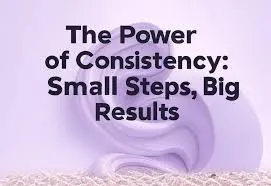
Here’s the truth we don’t talk about enough: the best fitness routine is the one you actually follow.
Walking wins when it comes to consistency. It doesn’t demand motivation on tough days—it just asks you to move a little more. You’re less likely to skip it entirely.
Workouts, while powerful, can feel daunting when life gets hectic. Miss a few sessions, and guilt creeps in. Suddenly, the plan feels broken.
Fitness isn’t about being perfect five days a week. It’s about doing something most days.
Gentle Movement vs Pushing Limits
Walking is kind to your body. It’s low-impact, joint-friendly, and ideal for beginners, older adults, or recovery days. You can do it daily without worrying about burnout.
Workouts, on the other hand, are about pushing limits. That’s great—but only when balanced with rest, good form, and recovery. When done right, strength training actually supports joint health and prevents injuries over time.
Both have their place. One nourishes consistency; the other drives progress.

Real Life Has a Vote Too
If your day is packed, fitting in a 45-minute workout might be easier than chasing steps from morning to night. If you hate gyms or rigid schedules, walking will feel far more natural.
Your job, energy levels, personality, and access to time all matter. Fitness should adapt to your life—not the other way around.

The Honest Answer: You Don’t Have to Choose
The healthiest approach often includes both. Walk more during the day. Work out when you can. Let movement be flexible, not forced.
But if you must choose one, choose the habit you’ll return to—even on tired, busy, unmotivated days.
Because what truly keeps you fit isn’t a step count or a stopwatch.
It’s showing up for your body, again and again, in ways that feel human, doable, and real.