
Chronic stress has a significant impact on various bodily functions. Work-related pressures, prolonged travel, familial responsibilities, insufficient sleep, and excessive phone usage often contribute to stress becoming a regular aspect of life. While short bouts of stress can be considered normal, persistent stress over weeks or months can initiate physical changes, one of which might include noticeable hair loss.
Individuals experiencing ongoing stress may observe an increase in the amount of hair shed during daily activities, such as washing or combing. This observable loss can exacerbate feelings of anxiety, leading to a vicious cycle. Research indicates a link between stress hormones and alterations in the hair growth cycle, suggesting that sustained stress might disrupt its normal function.
However, hair loss is multifaceted; factors including nutrition, sleep quality, genetics, hormonal changes, health issues, and hair-care routines also significantly influence hair health. Recognising these factors can aid individuals in making well-informed choices regarding their well-being, rather than seeking immediate solutions.
The Hormonal Response to Stress
Stress triggers a series of physiological responses in the body. For instance, during high-pressure situations, such as preparing for an important meeting, individuals may experience an increase in heart rate and heightened alertness as their body gears up to confront challenges. While this acute stress response is healthy, daily stressors like financial challenges or familial disputes can induce long-lasting changes.
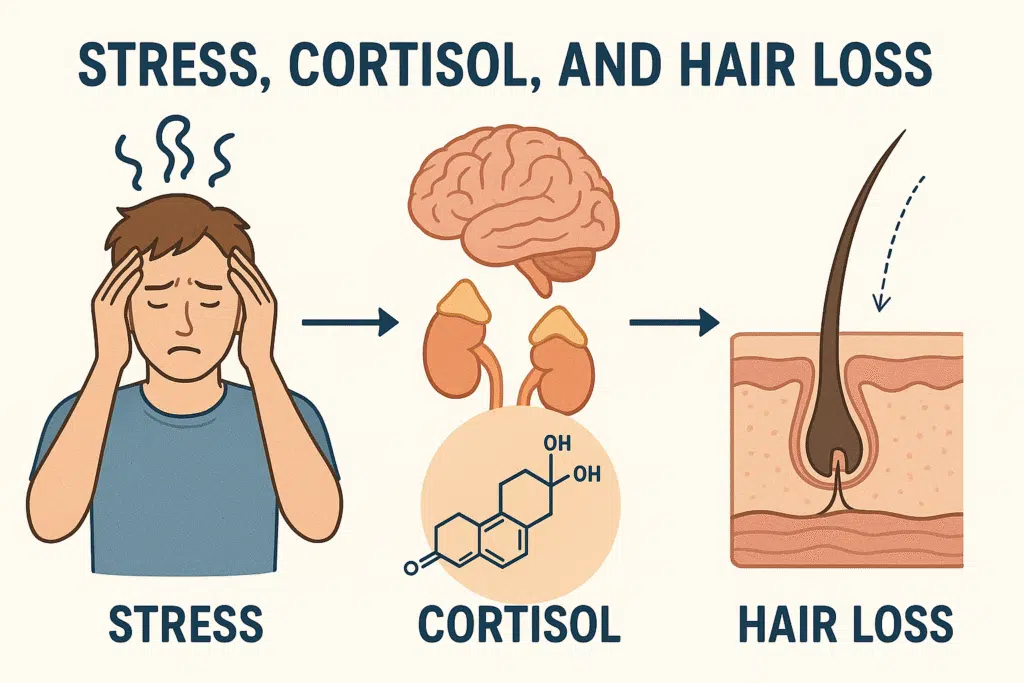
When the body is subjected to stress, it releases hormones, most notably cortisol. While cortisol serves pivotal roles in bodily functions, excessive or prolonged exposure can lead to disturbances in sleep patterns, eating habits, emotional states, and even hair growth. Eventually, this hormonal imbalance can hinder hair production for some individuals.
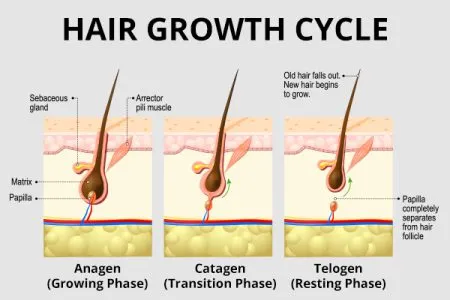
As hair undergoes a natural growth cycle, stress can interrupt this process. Significant physical or emotional stress may induce a larger number of hair follicles to transition into a resting phase, ultimately leading to increased shedding at a later time. This cycle often results in individuals failing to correlate their stress with subsequent hair loss, as the effects of stress might manifest several weeks or months later.