


Iran Prepares to Challenge US Naval Blockade with 14 Tankers
The CSR Journal Magazine

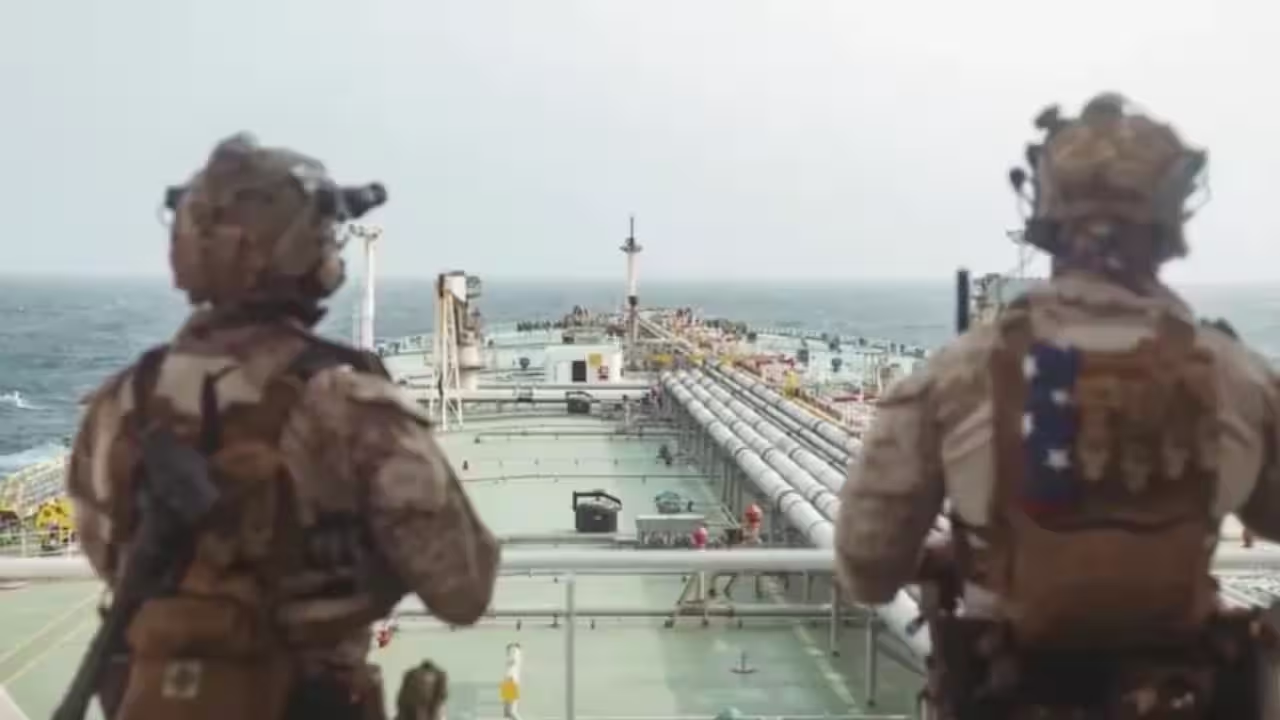
Iran is reportedly gearing up to confront the United States by launching a significant operation involving oil tankers. This initiative aims to test the limits of Washington’s naval blockade, potentially placing Iranian vessels in direct conflict with American warships. Tehran has issued warnings that any attempt to intercept or attack the convoy would result in retaliatory strikes on oil infrastructure within the Persian Gulf.

According to a report from The Jerusalem Post, which references satellite imagery, vessel-tracking data, and Iranian media, Tehran is preparing a fleet of over 14 oil tankers. These vessels are currently assembling near Kharg Island, Iran’s main crude oil export terminal, and are anticipated to navigate towards the Gulf of Oman. The tankers are reportedly manned by crews and are flying Iranian flags, indicating Tehran’s determination to continue its oil shipments despite US restrictions.

Kharg Island is crucial for Iran, accounting for approximately 85 to 90 per cent of the nation’s crude oil exports. This makes it a central hub for Iran’s efforts to resume its oil shipments amid ongoing sanctions. However, there has been no formal confirmation from the Iranian government regarding the convoy’s planned departure.

The Fereydun Plan and Its Implications

The tanker operation coincides with a proposal circulating in Iran’s hardline media aimed at breaking the US blockade. The Jerusalem Post reports that the IRGC-affiliated Fars News Agency has published a column detailing what is referred to as the Fereydun Plan. This plan advocates for Iran to dispatch a group of oil tankers through the US naval blockade, challenging Washington’s control over Iranian oil exports.

The name of the proposal is derived from Fereydun, a legendary figure in the Persian epic Shahnameh, who crossed a river despite being denied passage. The column argues that Iran should assert its capability to transport oil shipments in defiance of American restrictions. The Fars column states, “To break the naval blockade, Iran can move a group of tankers that will break through.” This assertion underscores Iran’s intent to showcase its resolve against US pressures.

The proposal also includes a warning to Washington against any actions that might involve attacking or detaining the tankers. It threatens retaliation against energy infrastructure in the Gulf should American forces attempt to halt the convoy. Similar sentiments have been echoed in other Iranian publications, including Hamshahri Online and the Young Journalists Club.

Potential Regional Consequences

The warnings accompanying the proposed tanker operation are particularly noteworthy, as Iranian media have suggested retaliatory strikes on oil infrastructure across the Persian Gulf should American forces engage with the convoy. The Fereydun Plan specifically identifies oil facilities in the United Arab Emirates as potential targets for retaliation.

Furthermore, Iranian media reports have mentioned energy infrastructure in Saudi Arabia and Qatar, indicating that a maritime confrontation could extend to critical oil installations throughout the region. The proposal cautions that any American attempts to obstruct Iranian tankers could provoke retaliatory actions against the energy facilities of nations supporting the US blockade.

This emerging situation highlights the escalating tensions between Iran and the United States, with significant implications for regional stability and global oil markets. The Iranian government appears determined to assert its rights to oil exports, even in the face of formidable international opposition.

Long or Short, get news the way you like. No ads. No redirections. Download Newspin and Stay Alert, The CSR Journal Mobile app, for fast, crisp, clean updates!

App Store – https://apps.apple.com/in/app/newspin/id6746449540

Google Play Store – https://play.google.com/store/apps/details?id=com.inventifweb.newspin&pcampaignid=web_share

Latest News

Popular Videos
