


Winter Pollution Affects Hair Quality and Scalp Health
The CSR Journal Magazine

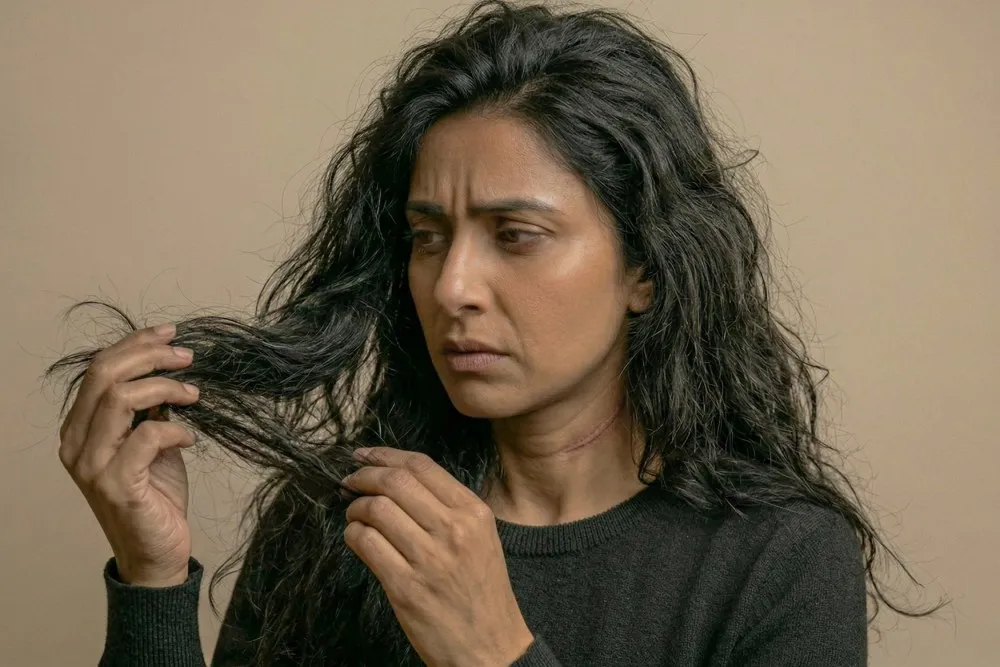
The winter season can significantly influence the health of the scalp and the quality of hair. In various regions, temperature inversions are known to trap airborne pollutants and fine dust particles close to the ground. This phenomenon increases the exposure of individuals to these harmful particles, which can have detrimental effects on hair. Alongside this, low humidity levels and the use of indoor heating further contribute to the dryness of hair, making it more susceptible to tangling, friction, and eventual breakage.

Accumulation of airborne particles on the hair and scalp can lead to a buildup of sebum and product residue. This accumulation may adversely affect the overall appearance of hair, resulting in diminished shine and an uneven surface texture. Additionally, pollution can exacerbate scalp irritation, particularly in individuals with pre-existing dry or sensitive skin conditions. Hair expert Clelia Cecilia Angelon, Founder and CEO of Surya Brasil, emphasises that while pollution can play a role, hair shedding is a multifactorial issue and should not be solely attributed to environmental factors.

Effective Hair Care Practices

Proper cleansing is essential for maintaining hair health, as it helps remove airborne particles, impurities, excess oil, and product residue. In this context, incorporating a balanced cleansing shampoo into a regular hair care routine can be beneficial. Surya Brasil’s Balanced Cleansing Shampoo is one such product that can assist in effectively cleansing the hair. The frequency of washing should be tailored to the specific characteristics of the hair and scalp, ensuring that excessive cleansing is avoided.

Following the cleansing process, conditioning becomes crucial for maintaining softness and improving manageability. It also helps reduce friction between hair fibres, which can lead to damage. The Conditioner from Surya Brasil’s Hair Therapy line is designed to complement this step, contributing to the overall maintenance of hair quality and appearance. Additionally, using hair masks periodically on the lengths and ends can provide extra conditioning, further enhancing hair health during the winter months.

Role of Plant-Based Ingredients in Hair Care

Plant-derived ingredients are increasingly recognised for their positive impact on hair care. Ingredients such as coconut oil, shea butter, and murumuru butter are known to condition hair effectively and support moisture retention. Aloe vera is also valued for its hydrating properties, while açaí is appreciated for its antioxidant benefits. Henna, a traditional ingredient in hair care, is renowned for its conditioning effects and ability to impart colour and tone to hair.

The combination of Indian henna and Amazonian herbs highlights the importance of botanical ingredients in hair care traditions. When selecting hair care products, it is essential to consider the ingredients, their performance, and their suitability for individual hair types. A thoughtful combination of appropriate cleansing and conditioning practices can help manage residue buildup while ensuring that hair remains soft, manageable, and healthy-looking throughout the colder months.

The products mentioned in this article are provided by the brand for testing and evaluation purposes. It is advised to conduct a patch test before using any new products to ensure compatibility with individual hair and scalp conditions.

Long or Short, get news the way you like. No ads. No redirections. Download Newspin and Stay Alert, The CSR Journal Mobile app, for fast, crisp, clean updates!

App Store – https://apps.apple.com/in/app/newspin/id6746449540

Google Play Store – https://play.google.com/store/apps/details?id=com.inventifweb.newspin&pcampaignid=web_share

Latest News

Popular Videos
