


UN Warns Kolkata, Mumbai Face Immediate Home Loss Risk From Rising Seas
The CSR Journal Magazine

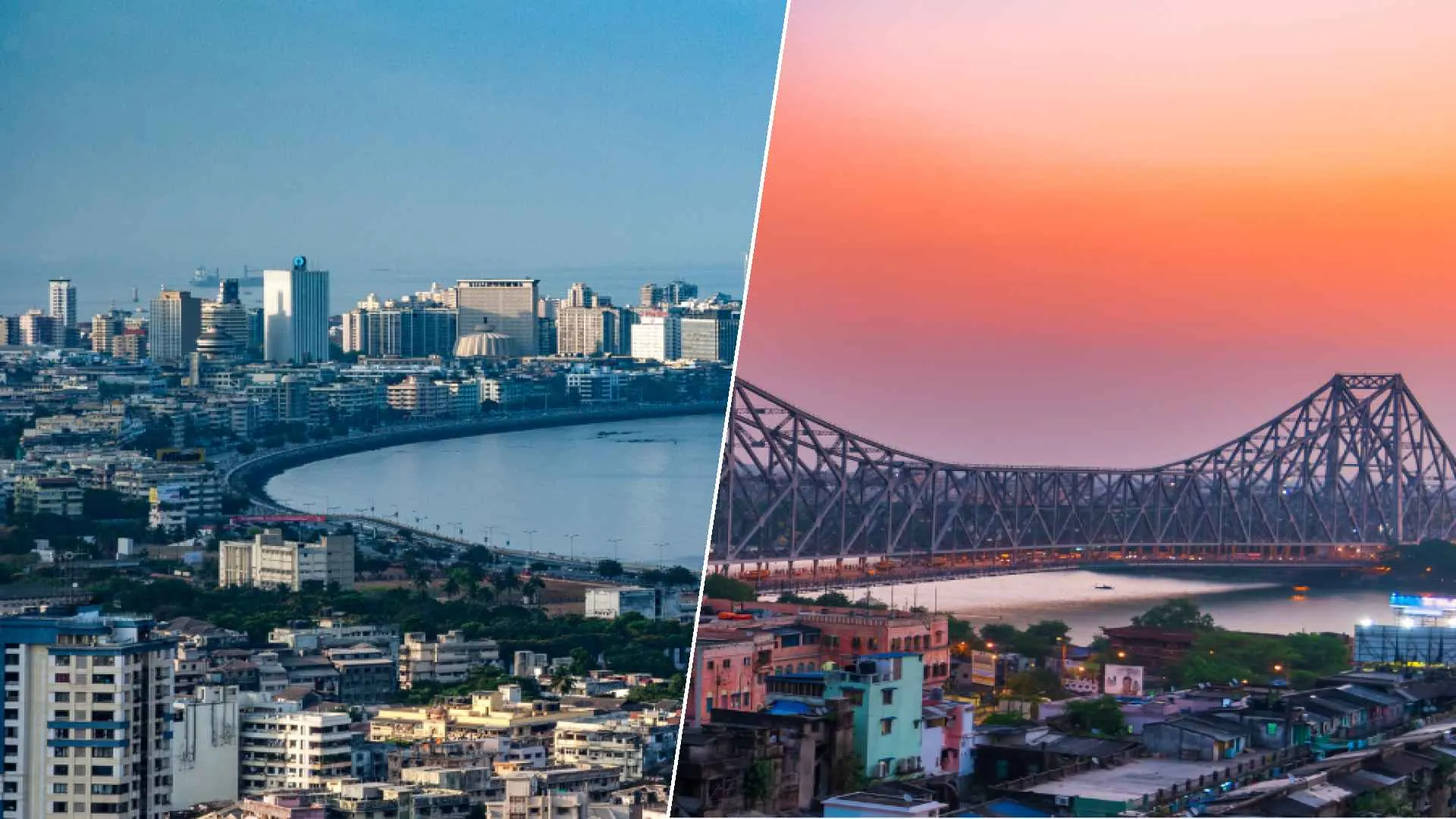
A recent report from the United Nations indicates that millions of residents in Kolkata and Mumbai are currently at severe risk of losing their homes due to rising sea levels and permanent flooding. The report, released on September 1, 2026, presents sea level rise as an immediate and accelerating threat that demands urgent attention.

Titled “Challenges Related to Sea Level Rise and Ways and Approaches to Address It”, the report asserts that the risk is not a future concern, emphasising that it is happening more rapidly than at any time in recorded history. The findings underscore the extensive implications for infrastructure and human rights around the globe.

The report indicates that the impacts vary significantly across different regions. In affluent cities such as Miami and New York, the primary concern revolves around the financial exposure of coastal infrastructure, with an estimated risk to assets ranging from $2 trillion to $3.5 trillion. Conversely, in South Asia’s low-lying areas, including Kolkata and Mumbai, the main issue is displacement, with over 14 million individuals reportedly facing immediate threats to their homes.

Consequences of Rising Sea Levels

The UN report discusses various consequences arising from rising sea levels, noting damage to urban infrastructure, public health risks, and the exacerbation of existing vulnerabilities. Coastal health and sanitation systems are already under threat, leading to increased exposure to water-borne diseases, higher injury rates, and amplified mental health issues for affected communities.

The phenomenon of land subsidence, alongside sea level rise, is aggravating flood risks and threatening coastal ecosystems. The contamination of freshwater resources is a key concern, particularly as the intrusion of saltwater disrupts drinking water security and affects agricultural productivity. The delicate balance within these ecosystems is increasingly jeopardised, contributing to the loss of livelihoods for many communities dependent on fishing and farming.

In light of these findings, the report stresses the need for comprehensive policy approaches that integrate river basins, freshwater systems, and coastal management. The current regulatory frameworks are reportedly insufficient to protect vulnerable populations, highlighting a critical gap in planning and resource allocation.

Drive for Adaptation and Resilience

The report attributes the acceleration in sea level rise primarily to human-induced global warming, particularly from the melting of glaciers and ocean warming. Recent data revealed an annual rise of 4.7 mm in global sea levels between 2014 and 2023. The year 2024 marked a new record with a 5.9 mm increase, further underscoring the urgency of addressing climate change impacts.

Nearly 770 million people globally reside in coastal areas less than 5 metres above the high tide line, facing heightened risks from environmental changes. The compounded effects of sea level rise are associated with broader implications for safety, economic stability, and cultural heritage in vulnerable regions.

As rising seas reshape coastlines, the need for proactive and long-term adaptation planning becomes crucial. The report calls for robust financial mechanisms, data collection, and technical frameworks to support vulnerable populations and assist them in coping with the impending impacts. It underscores that without these measures, the threat of eviction and loss of land will continue to grow across coastal communities worldwide.

Long or Short, get news the way you like. No ads. No redirections. Download Newspin and Stay Alert, The CSR Journal Mobile app, for fast, crisp, clean updates!

App Store –  https://apps.apple.com/in/app/newspin/id6746449540 

Google Play Store – https://play.google.com/store/apps/details?id=com.inventifweb.newspin&pcampaignid=web_share

Latest News

Popular Videos
