


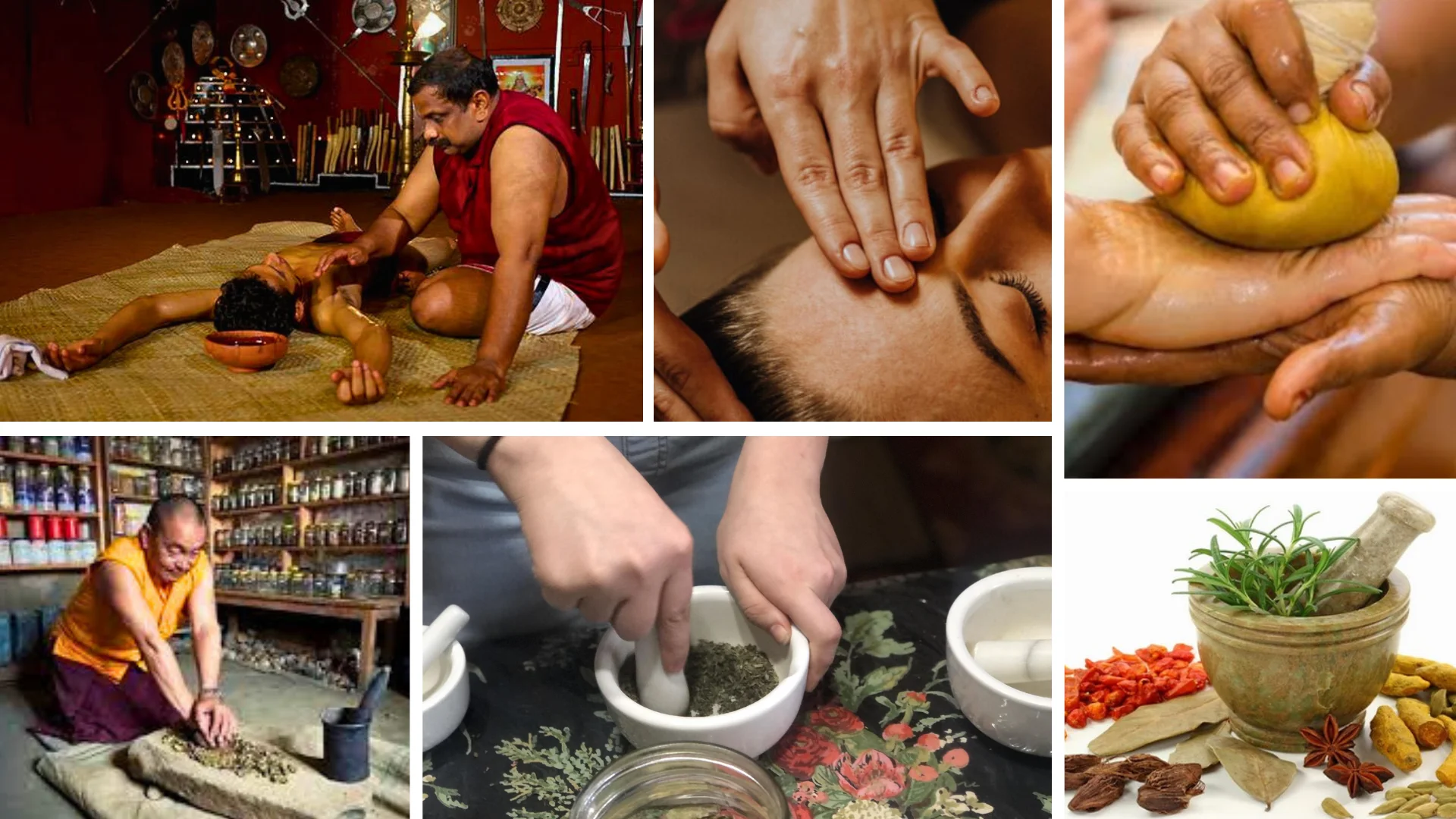

India is renowned for its traditional methods of healthcare due to their ancient origins, holistic approach, vast repository of natural knowledge, and strong ongoing governmental and institutional support. Ancient India is renowned for its pioneering healthcare system, largely due to the development of Ayurveda, the world’s oldest comprehensive medical system, which emphasised holistic health, natural therapies, and disease prevention. It was marked by advanced surgical techniques (Sushruta Samhita), specialised medical texts (Charaka Samhita), a focus on hygiene, and the early establishment of hospitals.
The ancient Indian system of medicine, primarily Ayurveda, is renowned for being the world’s oldest, most comprehensive, and holistic approach to health, emphasising the balance of body, mind, and spirit. It gained fame for its advanced, early use of natural remedies, sophisticated surgeries (including plastic surgery), and personalised, preventative care, which remains relevant today.
Traditional Indian medical systems trace their roots to the ancient times, with practices dating back over 5,000 years. The Vedas, particularly the Atharva Veda (the fourth and final Veda in Hinduism) mention medicinal herbs and healing practices. Knowledge was codified into foundational texts such as the Charaka Samhita (internal medicine) and Sushruta Samhita (surgery), which are still studied and practiced today. Unlike some traditional systems that faded, Indian traditional medicine has been a continuous “living tradition,” which has been passed down through generations of practitioners.
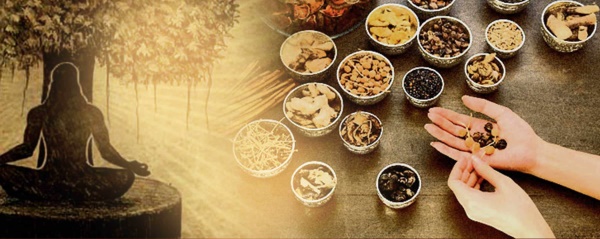
Ayurveda
Ayurveda is an ancient Indian system of medicine and wellness that focuses on balancing the body, mind, and spirit. This holistic approach to health and wellness that’s been practiced for thousands of years. The word “Ayurveda” comes from the Sanskrit words “ayur” (life) and “veda” (knowledge or science). Ayurveda focuses on balancing doshas (Vata, Pitta, Kapha) through diet, herbs, Panchakarma (detoxification), lifestyle, and rejuvenation.
Ayurvedic treatment focuses on prevention, diet, lifestyle, and herbal remedies. Ayurveda aims to balance and Harmony: Aims to balance the body, mind, and spirit for overall well-being. Ayurvedic treatment includes herbal remedies, Yoga and Meditation, Diet and Nutrition and Panchakarma, which includes detoxification and rejuvenation therapies.

Yoga
Yoga is an ancient Indian practice that combines physical postures (asanas), breathing techniques (pranayama), and meditation to promote overall well-being. It’s not just about flexibility; it’s a way of life! Yoga reduces stress, increases flexibility, boosts energy, and promotes mental clarity. The popular forms of Yoga include Hatha Yoga, Vinyasa Yoga, Ashtanga Yoga, Kundalini Yoga, and more.
Yoga’s popularity stems from its holistic approach, offering stress relief, mental clarity, and physical fitness in one practice, adapting ancient techniques to modern needs for a comprehensive well-being solution that’s accessible to almost anyone, regardless of age or fitness level, thanks to online accessibility and diverse styles. People practice yoga for managing anxiety, improving flexibility, building strength, finding mindfulness, and fostering a sense of community, making it a powerful tool for navigating today’s fast-paced world.

Homeopathy
Homeopathy is an alternative, 19th century medical system based on the principle of “like cures like” (Law of Similars), where diluted natural substances are used to stimulate the body’s self-healing response. Developed by Samuel Hahnemann, it uses highly diluted remedies tailored to an individual’s specific symptoms, health profile, and lifestyle.
Homeopathy works in a way where substances that cause symptoms in a healthy person are used to treat similar symptoms in a sick person. In Homeopathy, the remedies are prepared through a process of serial dilution and shaking (succussion), believed to increase effectiveness while reducing toxicity.
Homeopathy treatment is highly personalised, focusing on the whole person rather than just the disease. It aims to treat underlying, deep-seated causes (miasms) rather than just immediate symptoms.
However, there is no good-quality evidence that homeopathy is an effective treatment for any health condition. It is often used for conditions like allergies, fatigue, and depression, but should not replace evidence-based medical treatments for serious conditions.

Naturopathy
Naturopathy is a system of medicine that focuses on natural remedies and the body’s innate healing abilities. Therapies include herbal medicine, nutrition, hydrotherapy, acupuncture, and more.
Naturopathy works by supporting the body’s innate ability to heal itself using natural, non-invasive methods, focusing on the root cause of illness rather than just symptoms. Practitioners use a holistic approach, addressing mind, body, and spirit through lifestyle changes (diet, exercise, sleep, stress management) and natural therapies like herbal medicine, hydrotherapy, acupuncture, and nutritional counselling to restore balance, detoxify the body, and promote long-term wellness.
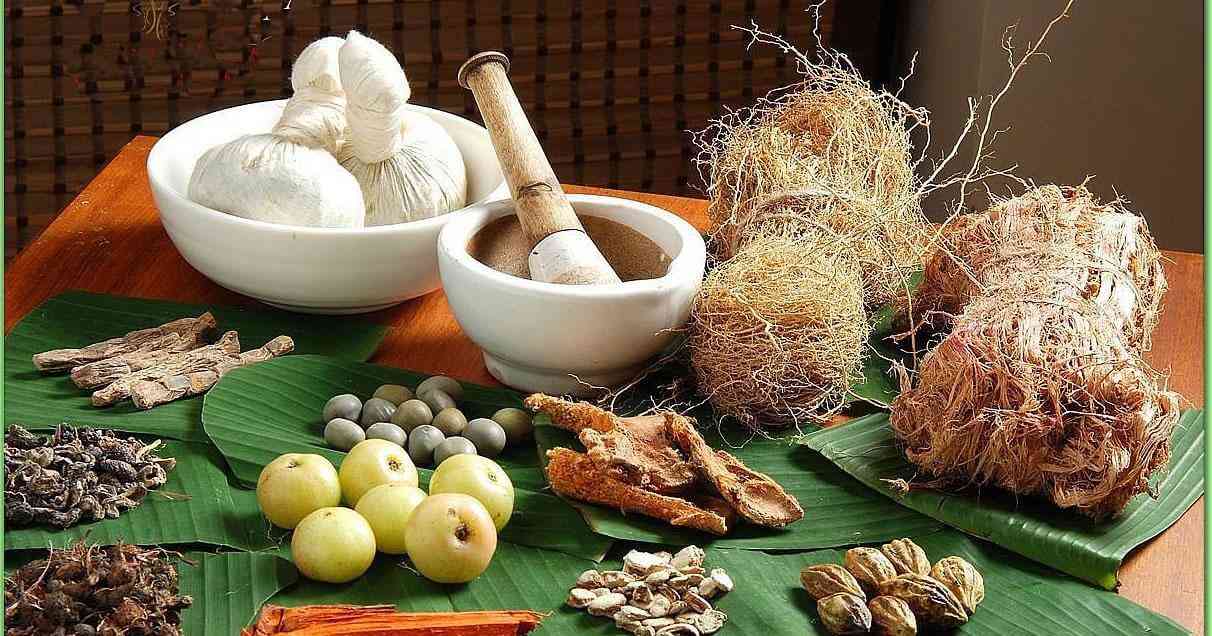
Siddha
Siddha is an ancient, holistic Indian medicine system from South India, believed to be taught by Shiva. It is an ancient Tamil system, similar to Ayurveda, focusing on herbal medicine and spiritual practices, popular in South India.
Siddha emphasises balance of five elements (earth, water, fire, air, sky) and three humors (Vata, Pitta, Kapha) using herbs, minerals, diet, yoga, and detoxification to achieve perfect health (siddhi). It provides preventive, curative, and rejuvenates through customised treatment, incorporating physical, mental, and spiritual aspects.
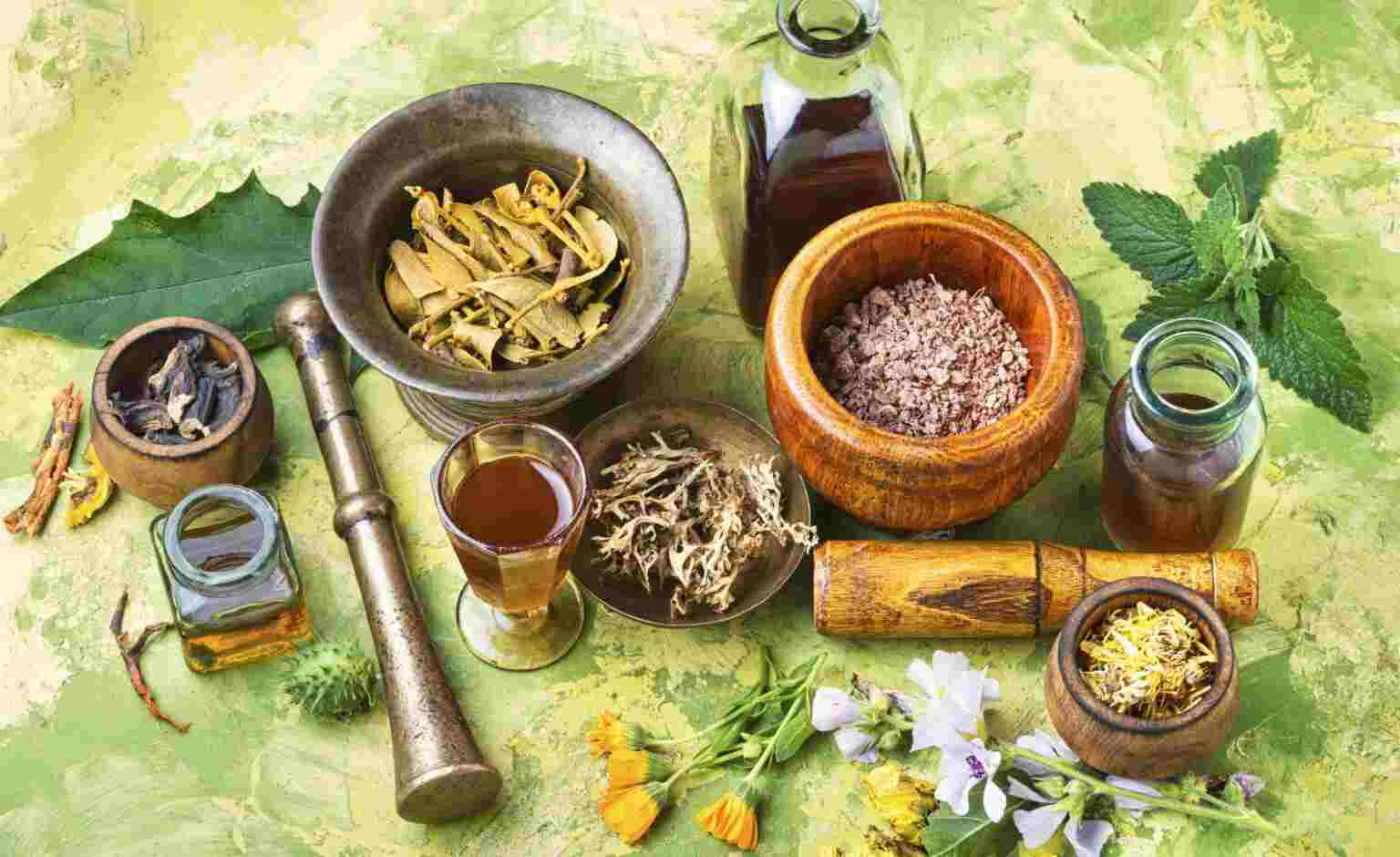
Unani
Unani’s an ancient Greek system of medicine, which enjoys popularity in India. It focuses on balancing the body’s four humors (blood, phlegm, yellow bile, black bile) using natural remedies like herbs and diet. Unani focuses on temperament-based treatments, herbal medicines, dietary changes and therapies like massage. It follows a holistic approach taking into consideration physical, mental, and emotional well-being.
Diagnosis methods of Unani include pulse reading, urine analysis and physical traits. Treatment includes diet, herbs, therapies like massage, tailored to restore balance. It aims at harmony of body, mind, and spirit.
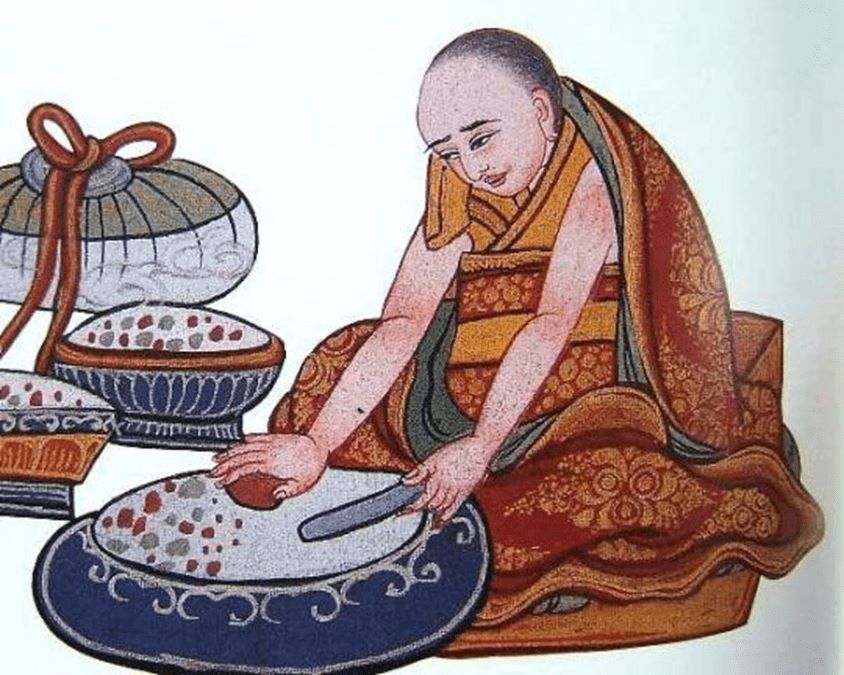
Sowa-Rigpa
This Tibetan system of medicine incorporates elements from Indian, Chinese, and Persian traditions. Sowa-Rigpa, or “Knowledge of Healing,” is one of the world’s oldest, well-documented, and living traditional medical systems, primarily practiced in the Himalayan regions (Ladakh, Sikkim, Arunachal Pradesh) and countries like Tibet, Bhutan, and Mongolia. Often called the “Amchi system,” it is a holistic approach to health, focusing on balancing the body, mind, and energy.
This system of treatment traces its roots to Buddhist philosophy and is deeply influenced by Ayurveda, incorporating Ayurvedic philosophy like Panchamahabhuta and Tridosha. The system is based on the Gyü-Zhi (Four Tantras), a 12th-century text. It aims to balance the three bodily humours: Lung (Wind/energy), Tripa (Bile), and Peken (Phlegm).
Diagnosis and treatment include techniques like pulse examination, tongue analysis, and urinalysis. Treatments involve dietary adjustments, lifestyle changes, and herbal medicines (powders, pills, decoctions). In India, Sowa-Rigpa is recognised and regulated by the Ministry of Ayush, with specialised training and research, including the National Institute of Sowa-Rigpa in Leh.
Long or Short, get news the way you like. No ads. No redirections. Download Newspin and Stay Alert, The CSR Journal Mobile app, for fast, crisp, clean updates!
App Store – https://apps.apple.com/in/app/newspin/id6746449540
Google Play Store – https://play.google.com/store/apps/details?id=com.inventifweb.newspin&pcampaignid=web_share