


Sitting Is Linked To Increased Heart Risks According To Recent Findings
The CSR Journal Magazine

Sitting for extended periods may pose serious health risks to individuals, particularly those in office-based jobs. A comprehensive analysis published in The Lancet in 2016, which examined over one million adults, revealed that individuals who remained seated for approximately eight hours each day faced a heightened risk of premature death. This risk, however, could be mitigated if they engaged in 60 to 75 minutes of moderate physical activity daily. Interestingly, a single 30-minute workout did not seem sufficient to counteract a day spent primarily sitting.

As World Heart Day is observed on September 29, the findings serve as a significant reminder for the growing workforce in India that often finds itself desk-bound. The reality for many urban professionals includes a day filled with commuting while seated, participating in consecutive video calls, and enjoying a lunch at their desks, followed by an evening spent in front of screens. This sedentary lifestyle has led to the popular adage, “sitting is the new smoking,” which highlights the health risks involved.

The World Health Organization’s 2020 guidelines suggested that adults should reduce sedentary time. Additionally, a meta-analysis published in the Annals of Internal Medicine in 2015 revealed a correlation between prolonged sitting and increased risks of cardiovascular diseases, even among those who engage in exercise.

Understanding the Impact of Prolonged Sitting

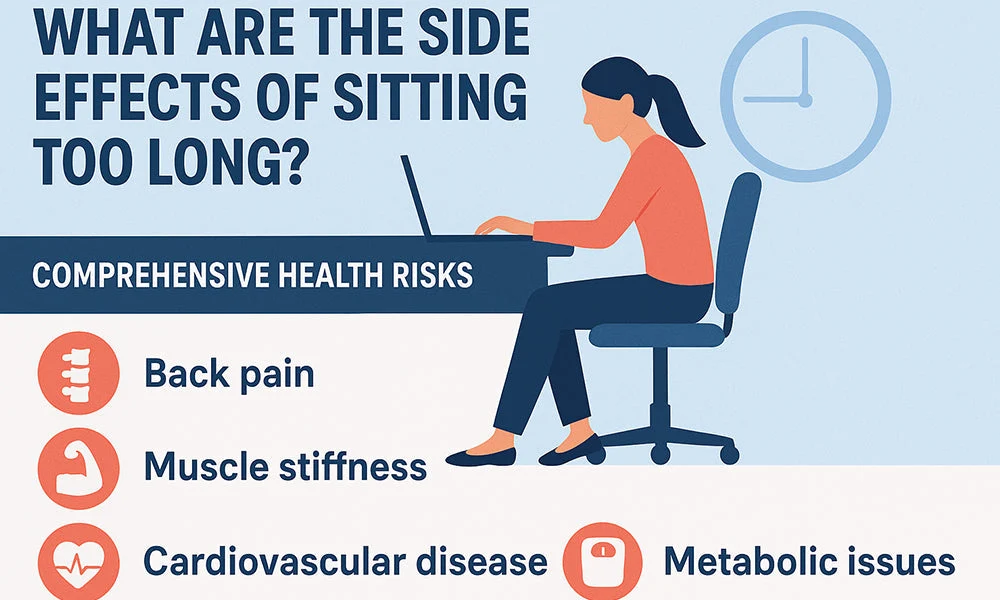
Experts indicate that excessive sitting can lead to several detrimental health changes. These include elevated blood pressure, which can arise from reduced movement and chronic stress. Unfavourable cholesterol levels may develop due to alterations in the body’s fat metabolism, and blood sugar levels can increase as inactive muscles consume less glucose. Moreover, the accumulation of belly fat emerges as a significant risk factor for heart and metabolic disorders. These concerning changes occur gradually, meaning even seemingly fit young professionals are at risk, as weight alone does not reliably indicate cardiovascular health.

Dispelling the myth that a 30-minute workout can compensate for prolonged sitting is essential. While morning workouts play a vital role in maintaining health, recent research indicates the importance of incorporating movement throughout the day. Rather than relying solely on a single exercise session, it is advantageous to break up long periods of sitting.

Individuals can adopt several practical habits to mitigate the impacts of sitting. These include standing or stretching for two to three minutes for every 30 to 60 minutes of sitting, using audio-only meetings as opportunities to walk, and performing simple stretches at the desk. A brief walk after meals may also assist in digestion and regulate blood sugar levels. Additionally, opting for stairs instead of lifts and making small changes to evening routines can contribute to overall health.

Regular Health Checks Recommended for Desk-Bound Workers

Since the effects of a sedentary lifestyle often go unnoticed initially, medical professionals advise regular check-ups to monitor blood pressure, blood sugar, and lipid profiles, preferably beginning in one’s thirties. Individuals who have high-stress levels, smoke, or have a family history of heart disease or diabetes may need to start these screenings at an earlier age. Symptoms such as chest pain, breathlessness, and unusual fatigue should prompt immediate medical evaluation.

Long-term health support should not rely solely on movement but should include balanced nutrition, quality sleep, stress management, and regular health assessments. Some individuals also incorporate Ayurvedic practices into their wellness routines. These practices traditionally involve regimens aimed at promoting long-term vitality. For example, products like Madhavprash are employed as a supportive measure, but they do not replace medical advice or prescribed treatments.

Raising awareness about heart health through education remains paramount. Consultation with qualified healthcare providers is essential before embarking on new exercise regimes or addressing health concerns.

Long or Short, get news the way you like. No ads. No redirections. Download Newspin and Stay Alert, The CSR Journal Mobile app, for fast, crisp, clean updates!

App Store –  https://apps.apple.com/in/app/newspin/id6746449540 

Google Play Store – https://play.google.com/store/apps/details?id=com.inventifweb.newspin&pcampaignid=web_share

Latest News

Popular Videos
