


Severe Drought and El Niño Conditions Disrupt Nilgiris Tea Production
The CSR Journal Magazine

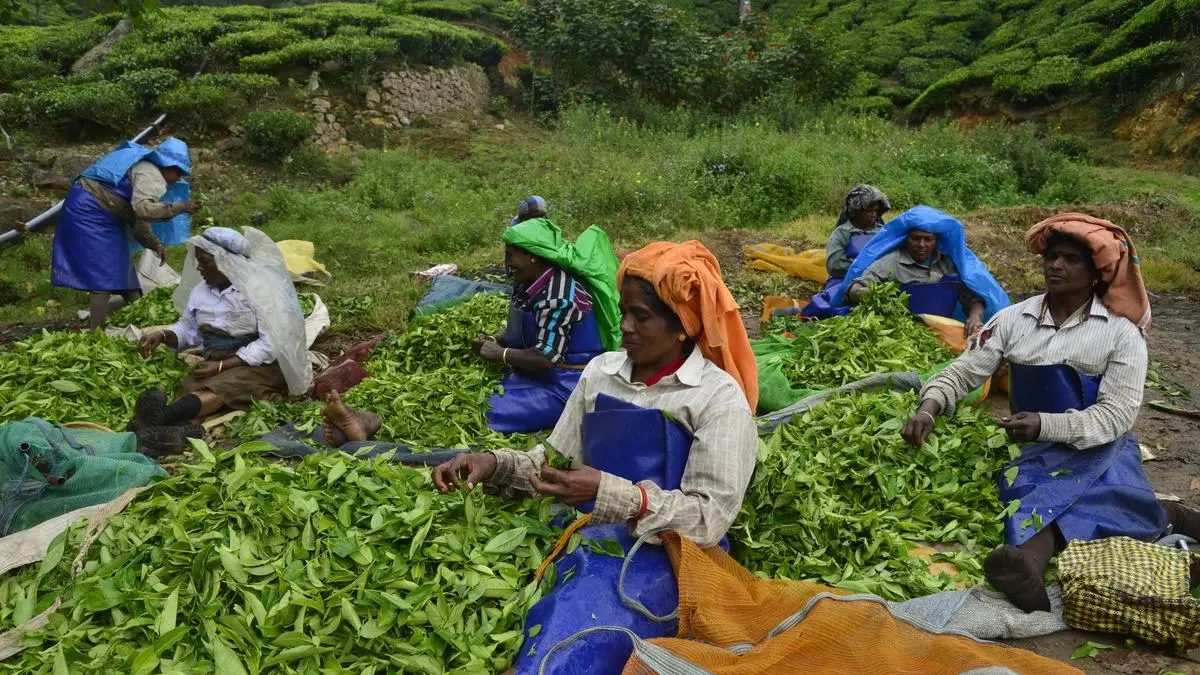
The recent severe heatwave and drought conditions linked to El Niño have led to an unprecedented decline in the supply of green tea leaves in the Nilgiris district of Tamil Nadu. This situation is raising serious concerns regarding tea powder production and the livelihoods of local farmers and workers dependent on tea cultivation.

Tea cultivation has long been a cornerstone of the economy in the Nilgiris, which is often referred to as the “Queen of Hills.” The district is home to over 65,000 small and marginal tea farmers cultivating on various hectares. Historically, these farmers have protested to demand fair pricing for green tea leaves, but recent weather-related challenges have exacerbated their struggles.

The ongoing Southwest Monsoon has notably failed due to the effects of Super El Niño, further complicating an already difficult situation for these growers. As the spring season begins, which typically encourages the growth of tea shoots, the persistent dry weather has resulted in withered shoots, drastically affecting supply to the tea factories.

Decline in Tea Powder Production

Authorities from tea factories in regions such as Ooty, Coonoor, Kotagiri, and Manjoor report that the quantity of green tea leaves reaching their facilities has plummeted. Previously, these factories received around 4,000 kg of green tea leaves daily; that number has now decreased to approximately 600 kg. This decline has led to an estimated 20 per cent reduction in revenue for many tea factories operating in the region.

A recent report from the UPASI Tea Research Institute indicates that rainfall in the Nilgiris has dropped significantly, down by 31 per cent over the past five years. The average annual rainfall, which was 173.3 cm in 2021, is projected to decrease further to 119.4 cm in 2025. Consequently, tea productivity has also decreased, falling from 2,315 kg per hectare in 2023 to 2,042 kg per hectare in 2025, indicating an 11.8 per cent reduction.

This year’s Southwest Monsoon has seen a staggering deficit, with rainfall recorded at merely 283 mm against the expected 874 mm, constituting a 55 per cent shortfall—the largest deficit in the last fifteen years. The yield of green tea leaves has also dipped significantly: where a tea estate might typically procure 500 kg per acre monthly, it now stands at only 200 kg, representing a decline of 60 per cent overall production.

Call for Government Assistance

Another official, Kishore, has stressed that the current production figures have dropped to between 20-25 per cent compared to the previous year, further endangering not just the tea industry but also other agricultural sectors. He emphasised the need for immediate government intervention to help the agricultural community adapt and recover.

The decline in green tea leaf supply could lead to increased prices for tea powder, potentially harming both local economies and India’s overall tea exports. The issue has become more pressing, as approximately 70 per cent of the Nilgiris population depends on agriculture for their livelihoods. Local experts urge that the constitution of a special committee by the Tamil Nadu Government is essential to address the challenges posed by the El Niño-induced drought.

Long or Short, get news the way you like. No ads. No redirections. Download Newspin and Stay Alert, The CSR Journal Mobile app, for fast, crisp, clean updates!

App Store –  https://apps.apple.com/in/app/newspin/id6746449540 

Google Play Store – https://play.google.com/store/apps/details?id=com.inventifweb.newspin&pcampaignid=web_share

Latest News

Popular Videos
