


app-store-logo
play-store-logo
March 4, 2026

Rising Iran Tensions Strain U.S. Military Resources, Spark Readiness Concerns
The CSR Journal Magazine

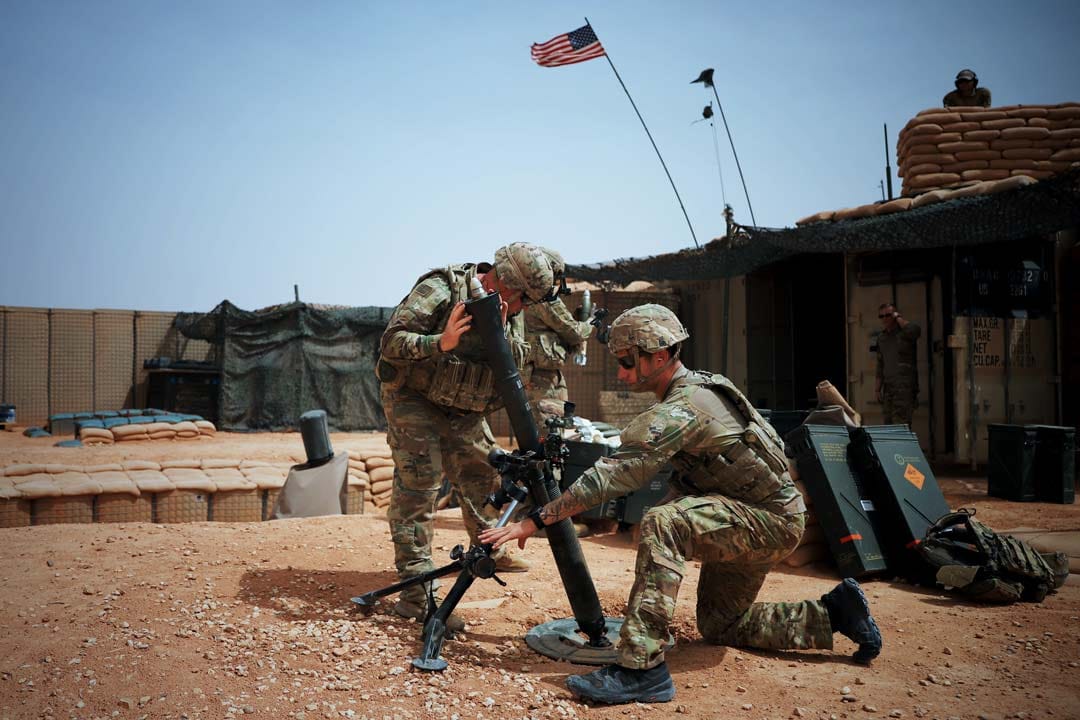
The United States operates eleven aircraft carriers, a symbol of naval power and dominance. However, the operational reality reveals that only three of these carriers are typically available at sea at any given time, while the others undergo maintenance, repairs, or refueling. This gap between the impressive total and actual deployment underscores the complexities America faces in the context of escalating tensions with Iran. President Donald Trump has initiated the largest military buildup in the Middle East in nearly two decades, positioning two carrier strike groups in the region. The situation escalated as US and Israeli forces engaged Iranian targets, prompting a significant retaliatory attack from Iran, which launched numerous projectiles across several nations in the region, highlighting the precarious nature of American military preparedness.

Iran’s Military Preparedness and Capabilities

In response to these developments, Iran has strategically prepared for potential conflict over several years. The country has amassed a significant arsenal, estimated to include between 1,500 and 2,000 ballistic missiles and a robust network of drones. Furthermore, Iran has cultivated numerous proxy forces throughout the Middle East, indicating a sophisticated understanding of warfare that extends beyond mere numbers. This approach emphasizes the concept of attrition, demonstrating Iran’s ability to capitalize on fatigue and logistical challenges inherent in prolonged military engagements. The current operational dynamics pose uncomfortable mathematical realities for the United States, particularly as conflicts in the region intensify.

The Strain on US Military Resources and Inventory

The recent conflict involving Iran and Israel has further strained US military resources. Over a period of just eleven days in June 2025, US forces deployed more than 150 THAAD interceptors, consuming approximately 25% of the global inventory. This expenditure, valued at around 800 million dollars, occurred rapidly and emphasized the difficulties associated with stock replenishment, which can extend beyond a year. The production of Patriot missiles is on the rise, with an annual output of around 600 to 650 anticipated to reach 1,100 by 2027, while Iran’s missile arsenal counts in the thousands. In terms of artillery, the United States aims to increase its production from around 40,000 rounds per month to 100,000 by mid-2026. However, competing demands, such as those arising from the situation in Ukraine, complicate this ambitious target.

Crisis Management and Military Strategy Utilization

President Trump’s decision to divert missile and air defense resources from supporting Ukraine illustrates the inherent trade-offs present in military strategy. The limitations of the US resource allocation were made clear when critical anti-drone capabilities were redirected to address challenges in the Middle East. The operational tempo has imposed significant strain on US equipment and personnel, as highlighted by the USS Gerald R. Ford strike group’s lengthy deployment, which included extensive logistical challenges. The current situation presents a sobering realization for military leadership, particularly as other geopolitical actors observe the US’s capabilities and limitations.

Historical Precedents and Strategic Implications

The complexities of warfare highlight historical lessons where production capacity can ultimately overcome technological advantages. The experiences of World War II, where manufacturing output notably shaped the conflict’s outcome, serve as a poignant reminder. The US military’s structure has traditionally focused on short engagements, creating a potential vulnerability in a drawn-out conflict with Iran. As President Trump articulates his strategy as one of deterrence and strength, the ongoing situation will test whether the US can maintain its advantages or if it will be forced to confront its limitations in protracted military campaigns.

Long or Short, get news the way you like. No ads. No redirections. Download Newspin and Stay Alert, The CSR Journal Mobile app, for fast, crisp, clean updates!

App Store –  https://apps.apple.com/in/app/newspin/id6746449540 

Google Play Store – https://play.google.com/store/apps/details?id=com.inventifweb.newspin&pcampaignid=web_share

Latest News

Popular Videos
