


Nepal Flash Floods Caused By Glacial Collapse, Confirms USGS
The CSR Journal Magazine

The US Geological Survey (USGS) has clarified that the flash floods affecting parts of Nepal were the result of a glacial collapse rather than a 4.4 magnitude earthquake, as was initially reported. Following detailed analysis, the USGS modified its assessment and attributed the catastrophic flooding to this geological event, which originated from Tibetan glaciers on August 26, 2026.

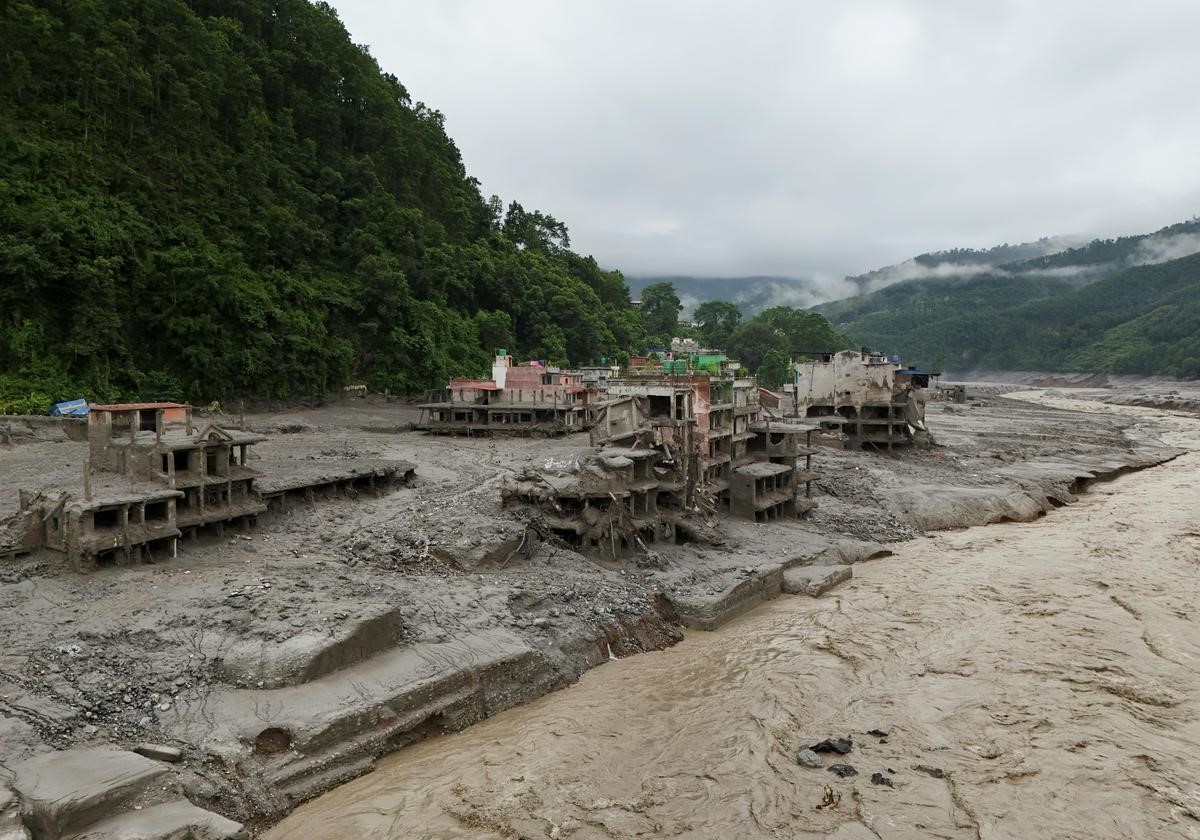
The floods have resulted in significant destruction across Rasuwa and Dhading districts in Nepal, claiming the lives of 162 individuals. Furthermore, approximately 750 people are reported missing, including 133 Indian nationals. Authorities are now focussing on rescue efforts amid the challenging conditions.

The USGS’s updated findings indicate that the seismic event had been wrongly identified, and further reviews of nearby seismic stations and satellite imagery led to the conclusion that no earthquake occurred. It has now raised the magnitude of the glacial event to 5.2, highlighting its severity.

Details of the Glacial Collapse

Daniel Shugar, an Associate Professor of geomorphology at the University of Calgary, has provided insights into the situation, indicating that a glacier at an altitude of 5,200 metres collapsed. He observed changes in satellite imagery taken one day before and on the day of the floods, noting a considerable loss of snow in the region within a short timeframe.

Shugar speculated that the melting snow and ice likely increased the volume of liquid water available at the glacier’s base, causing it to become lubricated. This accumulation of water may have triggered the instability that resulted in the collapse and subsequent flooding, according to his analysis.

The situation was exacerbated by the local topography, which channelled the water downhill, leading to destructive consequences. Glacial melting is a growing concern in the region, and such events could become more frequent due to climate change, experts suggest.

Impact of the Flooding on Nepal

The aftermath of the floods has left numerous families in distress, with rescue operations underway to locate the missing individuals. In addition to the loss of life, the floods have caused extensive damage to infrastructure, homes, and agricultural fields in the affected districts.

Relief efforts are being coordinated by government agencies and local organisations. The challenges are compounded by difficult weather conditions, which are hampering rescue and recovery operations. Authorities are urging citizens to remain vigilant as the situation continues to unfold.

The USGS report underscored the significance of accurate geological assessments, particularly in areas vulnerable to natural disasters. As new data emerges, the impact of the glacial collapse and the need for effective disaster preparedness measures are becoming increasingly apparent to local and international observers alike.

Long or Short, get news the way you like. No ads. No redirections. Download Newspin and Stay Alert, The CSR Journal Mobile app, for fast, crisp, clean updates!

App Store –  https://apps.apple.com/in/app/newspin/id6746449540 

Google Play Store – https://play.google.com/store/apps/details?id=com.inventifweb.newspin&pcampaignid=web_share

Latest News

Popular Videos
