


Nepal Flash Flood Rescue Efforts Hampered by Equipment Shortages
The CSR Journal Magazine

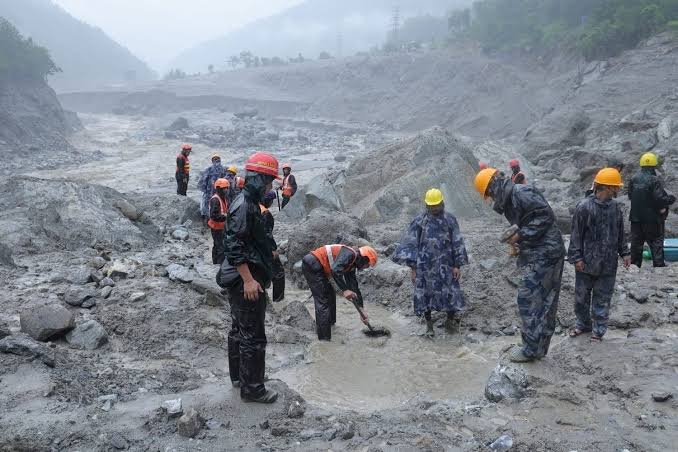
Rescue and recovery efforts in Nepal following the devastating flash floods are encountering major obstacles due to a lack of specialised equipment. The floods, reportedly triggered by an ice and rock collapse near the Nepal-Tibet border on August 26, wreaked havoc in the Bhotekoshi river corridor, causing massive destruction to homes, infrastructure, and hydropower projects. The flood toll has now exceeded 900, with over 4,000 individuals reported missing, according to the National Disaster Risk Reduction and Management Authority (NDRRMA).

The Nepal Army, Nepal Police, and Armed Police Force have deployed a considerable number of personnel to assist in the operations. However, officials have noted that the absence of modern rescue tools complicates efforts in extremely hazardous areas. Key items missing include thermal cameras for locating survivors, ropes, body bags, and helicopters.

Security personnel have also expressed frustration at their inability to reach individuals seeking assistance, as several notifications received at Police Control 100 go unaddressed due to operational challenges. The frontline Nepal Police has consistently called for the acquisition of helicopters to facilitate rescues in inaccessible regions.

Shortages in Essential Equipment Highlight Longstanding Issues

The lack of critical equipment has been acknowledged by former NDRRMA CEO Anil Pokharel. He indicated that the issue of insufficient specialised tools has persisted over time. While he attempted to procure such equipment during his tenure, he faced challenges due to limited availability in the international market. He called for immediate supplies to ease current difficulties.

As of now, 19,895 security personnel, including 7,293 from the Nepal Police, 8,399 from the Nepal Army, and 4,203 from the Armed Police Force, have been deployed in rescue operations. The Armed Police has also introduced sniffer dogs to locate victims, with an officer reporting that daily recoveries are being made based on the dogs’ signals.

Additional specialised units are being utilised for various tasks, including mass rescue, medical assistance, and search operations in collapsed structures. A joint operation involving the Nepal Army, Armed Police Force, and Nepal Police is ongoing in the affected regions.

International Support and Resource Allocation for Recovery

The Nepal government is actively seeking assistance from India and China to bolster rescue operations in the aftermath of the floods. Reports indicate that India has dispatched expert teams to aid in the recovery and identification of victims, with a 19-member forensics team working in Kathmandu to analyse DNA for identification purposes.

Additionally, an Indian tunnel rescue team is engaged in operations at hydropower sites in Chilime and Langtang. Expert teams from both India and China are also collaborating with Nepalese rescue teams in locating over 930 workers who have been out of touch since the events of August 26.

Concerns about Nepal’s overall disaster-management capacity have arisen, as the NDRRMA reportedly had only one expert available prior to the floods. With recent budget allocations falling short of addressing their operational needs, authorities have highlighted that resources are predominantly consumed by personnel salaries and routine activities. The challenges continue to grow as rescue efforts strive to cope with the immense scale of the disaster.

Long or Short, get news the way you like. No ads. No redirections. Download Newspin and Stay Alert, The CSR Journal Mobile app, for fast, crisp, clean updates!

App Store –  https://apps.apple.com/in/app/newspin/id6746449540 

Google Play Store – https://play.google.com/store/apps/details?id=com.inventifweb.newspin&pcampaignid=web_share

Latest News

Popular Videos
