


Iran Withdraws From US Peace Deal Amid Blockade and Vows Control Over Hormuz
The CSR Journal Magazine

The Islamic Republic of Iran has announced it is no longer bound by a peace memorandum with the United States, following a new series of airstrikes on military targets within its territory. The latest US strikes, which began on July 14, reportedly targeted facilities linked to what the US describes as emerging threats associated with attacks on commercial shipping in the strategic Strait of Hormuz.

These military actions took place immediately before the US initiated a renewed naval blockade around Iranian ports and coastal regions. The heightened tensions appear to coincide with ongoing conflicts in the region, which has seen various countries involved in skirmishes over trade routes and territorial control.

The US government’s operations were conducted under the premise of ensuring maritime security, a claim that has been met with significant pushback from Iranian officials. They allege that the blockade and subsequent strikes violate the terms of previously established agreements.

Iran’s Official Response

Iran’s Deputy Foreign Minister Kazem Gharibabadi publicly condemned the US actions, asserting that the United States has effectively dismantled the Memorandum of Understanding (MoU) signed on June 17. This memorandum was intended to mitigate tensions following the onset of conflict dating back to February 28. Gharibabadi articulated that the US actions have compelled Iran to withdraw from the agreement.

In a television interview, he stated, “The US has gone beyond merely violating the MoU. With tonight’s naval blockade, the agreement has effectively been dismantled.” This strong stance indicates Tehran’s unwillingness to engage in future negotiations under the current circumstances, further escalating the already tense situation.

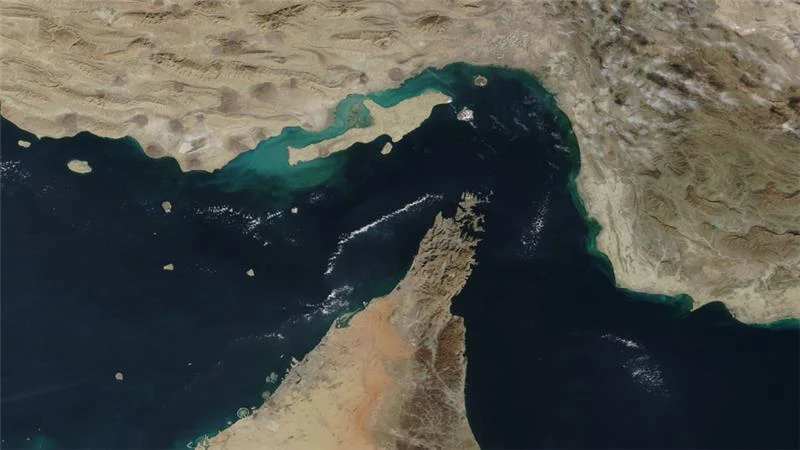
Gharibabadi highlighted the strategic importance of the Strait of Hormuz for Iranian national security. He indicated that despite Oman’s traditional role in sharing control over the strait, the current wartime conditions necessitate that Iran enforce complete control over this crucial waterway.

Iran’s Commitment to Sovereignty

The Deputy Foreign Minister asserted that Iran would seek to exert its sovereignty over the Strait of Hormuz, irrespective of the potential consequences. “Whatever that costs,” he stated, emphasising the nation’s commitment to protect its territorial waters against perceived threats.

Furthermore, he firmly dismissed the possibility of immediate diplomatic engagements with the United States, making it clear that Iran would not seek negotiations under these circumstances. This hardline position reflects a significant shift in Iran’s foreign policy following the recent US military actions.

As the US continues its military operations in the region, the implications for international shipping and diplomatic relations remain uncertain. The situation underscores the complexities involved in US-Iran relations and the potential for further escalation in military confrontations. The future of peace efforts hangs in a precarious balance as both nations navigate this challenging landscape.

Long or Short, get news the way you like. No ads. No redirections. Download Newspin and Stay Alert, The CSR Journal Mobile app, for fast, crisp, clean updates!

App Store –  https://apps.apple.com/in/app/newspin/id6746449540 

Google Play Store – https://play.google.com/store/apps/details?id=com.inventifweb.newspin&pcampaignid=web_share

Latest News

Popular Videos
