


Iran Rules Out Nuclear Concessions Even If US Accepts Hormuz Proposal
The CSR Journal Magazine

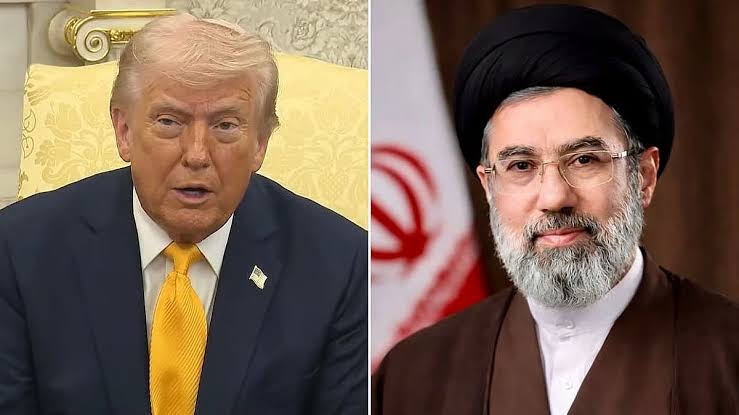
Iran will not make concessions on its nuclear programme even if the United States accepts Tehran’s proposal to reopen the Strait of Hormuz, a senior Iranian official told Reuters on Friday. The official said the strategic waterway would remain closed until Washington met all of Iran’s conditions, including demands for an end to the US naval blockade of Iranian ports.

Tehran’s proposal links the reopening of the vital shipping route to a series of US concessions, including lifting the blockade, releasing frozen Iranian funds and removing oil sanctions. Iran has also called for an end to hostilities across the region, including in Lebanon, while maintaining that negotiations over its nuclear programme would only proceed after Washington meets its demands.

Iran Sets Conditions For Hormuz Reopening

The Iranian proposal offers to reopen the Strait of Hormuz after the United States fulfils the conditions set by Tehran. Iranian Foreign Minister Abbas Araghchi said on Thursday that hostilities on all fronts, including Lebanon, could end within seven days under the proposed arrangement.

The conditions include lifting the US naval blockade on Iranian ports, releasing frozen Iranian assets and removing sanctions on Iranian oil. Tehran has presented the proposal as a possible route towards ending the conflict and restoring movement through the strategically important waterway.

The Strait of Hormuz has become a central point in the diplomatic efforts between Washington and Tehran because of its importance to global oil shipments. Iran has blocked the waterway, while the United States is seeking its reopening as part of efforts to ease the wider regional crisis.

Iranian President Masoud Pezeshkian said on Thursday that he hoped Washington and Tehran could reach an agreement to end the hostilities before the US midterm elections on November 3.

Nuclear Programme Remains Major Dispute

Despite offering to resume detailed negotiations, Tehran has ruled out compromising on what it considers its nuclear rights. The senior Iranian official said this included continuing uranium enrichment and refusing to send highly enriched uranium out of the country, one of Washington’s key demands.

Iran has said it would be prepared to hold detailed talks on its nuclear programme once the United States meets its conditions. The latest position means that reopening negotiations would not automatically result in changes to Tehran’s nuclear stance.

The United States, Israel and other Western countries have for years accused Iran of seeking the capability to develop nuclear weapons. Iran has consistently denied that it is pursuing nuclear weapons.

One of the main international concerns has been Iran’s enrichment of uranium to 60 per cent, well above the level generally required for civilian nuclear purposes and below the roughly 90 per cent enrichment level associated with weapons-grade material.

Iran’s Enriched Uranium Stockpile

The International Atomic Energy Agency estimated that Iran had 440.9 kg of uranium enriched to 60 per cent as of June 13, 2025, shortly before Israel and the United States attacked Iranian nuclear facilities. The IAEA said it had verified 432.9 kg of that material.

The agency subsequently lost continuity of knowledge over Iran’s current nuclear material inventories following the military attacks and the withdrawal of inspectors because of security concerns. The IAEA has said verification of Iran’s highly enriched uranium remains overdue.

It remains unclear how much of the material survived the attacks. Iranian authorities have indicated that Tehran could agree to dilute some of its most highly enriched uranium, but the senior Iranian official said the country would not agree to send its highly enriched uranium abroad.

Tehran Keeps Nuclear Talks Tied To US Actions

Reuters reported in May that Iran’s Supreme Leader Mojtaba Khamenei had issued a directive that the country’s highly enriched uranium should not be sent abroad, citing two senior Iranian sources.

The position leaves the nuclear issue closely tied to the broader negotiations over the Strait of Hormuz and the conflict with the United States. Tehran wants sanctions and the blockade eased before entering detailed nuclear negotiations, while Washington has been seeking restrictions on Iran’s nuclear activities.

The latest proposal therefore leaves the reopening of the Strait and the nuclear issue as separate but interconnected elements of any potential US-Iran agreement. Iran has offered a pathway towards reopening Hormuz, but says doing so would not require it to surrender its position on uranium enrichment or the location of its nuclear material.

Long or Short, get news the way you like. No ads. No redirections. Download Newspin and Stay Alert, The CSR Journal Mobile app, for fast, crisp, clean updates!

App Store –  https://apps.apple.com/in/app/newspin/id6746449540 

Google Play Store – https://play.google.com/store/apps/details?id=com.inventifweb.newspin&pcampaignid=web_share

Latest News

Popular Videos
