


India Raises Objection to Turkey’s Exclusion from UN Consultations on OIC Resolution
The CSR Journal Magazine

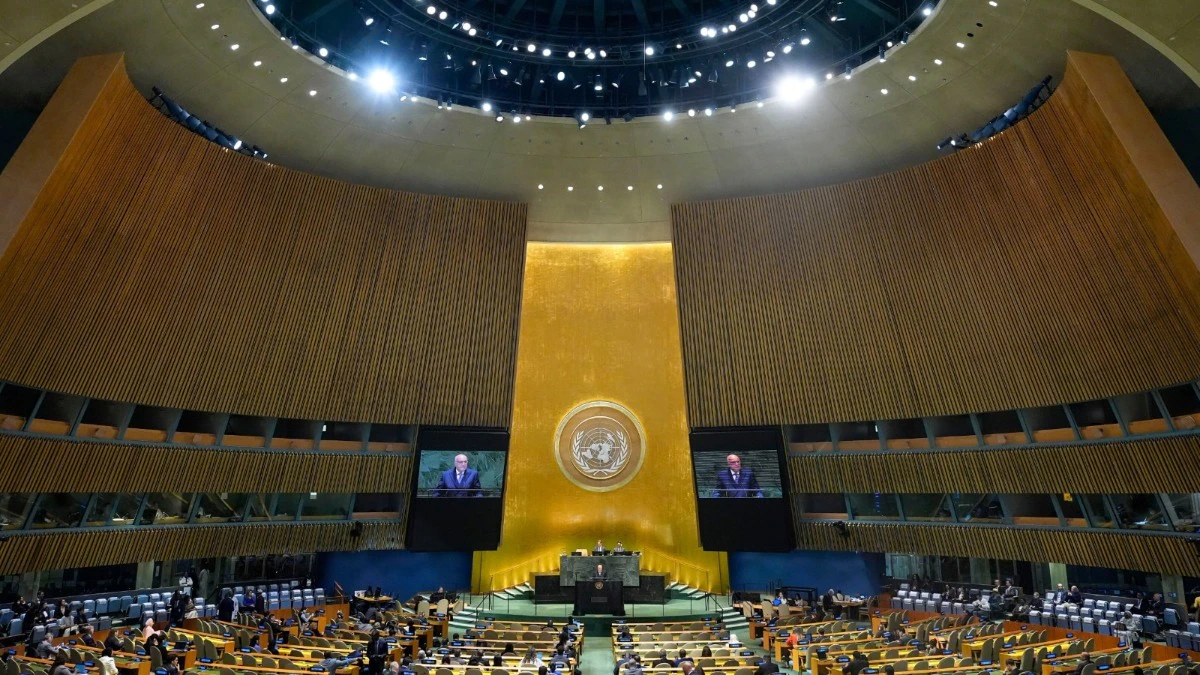
India has raised a strong objection to Turkey’s alleged deliberate exclusion of New Delhi from discussions regarding a resolution on cooperation between the United Nations and the Organisation of Islamic Cooperation (OIC). This development was reported by the Press Trust of India. India voted against the draft resolution, which was adopted by the UN General Assembly on September 11, 2023.

It received 112 votes in favour, six against, and 39 abstentions. Other nations that voted against the resolution included Armenia, Cyprus, Greece, Israel, and the United States. The resolution was introduced by Iraq, with Turkey acting as its facilitator.

Ambassador Yojna Patel, India’s Deputy Permanent Representative to the UN, stated that the OIC’s Permanent Observer Mission had excluded the Indian delegation and several other countries during the circulation of various drafts of the resolution. Patel emphasised that this exclusion was not only surprising but also detrimental to the principles of inclusivity in international discussions.

Concerns Over Negotiation Methods

In her explanation of India’s vote, Ambassador Patel expressed concerns regarding the negotiation methods employed by the facilitator. She called for an investigation into the process, stating, “My delegation has voted against this resolution not only because of its substantive aspects, but also for an even more concerning matter regarding the working methods adopted by the facilitator.”

Patel highlighted that the exclusion of certain delegations, despite objections raised, indicated a systematic disregard for established procedures. Patel expressed “deep dismay” over the lack of inclusive negotiations, noting that the OIC’s Permanent Observer Mission had chosen to exclude not only India but also other countries.

She remarked that such practices set a troubling precedent for future negotiations, allowing certain delegations to pursue their agendas without consideration for others. This, she argued, undermines the foundational principles upon which the UN was established. India’s objections extended beyond procedural issues to the content of the resolution itself.

Patel questioned the rationale behind expanding the OIC’s role in addressing conflicts, asserting that the OIC is not a regional organisation. She also expressed concern regarding references made to the ninth session of the OIC Ministerial Conference on Women, held in Islamabad in July, which included statements about Jammu and Kashmir.

International Reactions and Further Implications

India categorically rejected both the declaration and the accompanying resolution adopted at the OIC conference, labelling them as containing factually incorrect references to the country. Patel stated that such documents reflect the misuse of the OIC platform for narrow political objectives, particularly by one member state. In an implicit reference to Pakistan, she noted that the OIC should not be used to weaponise resolutions against India.

Cyprus also voiced its concerns regarding Turkey’s role as facilitator, expressing regret over the lack of transparency and inclusivity throughout the negotiation process. The Cypriot delegate stated that despite repeated requests, their country was excluded from communications and negotiations, which they argued contravenes principles enshrined in the UN Charter.

Greece echoed similar sentiments, raising serious concerns about the conduct of negotiations under Turkey’s facilitation. The Greek delegate noted that the European Union had submitted comments and amendments in good faith, which were not adequately addressed. The US expressed hope that future resolutions would focus on areas of cooperation that could achieve consensus rather than contentious issues.

Ultimately, while the resolution was adopted by the General Assembly, India and several other nations opposed it due to both its content and the manner in which consultations were conducted. India has called for the UN General Assembly president to investigate the exclusion of member states and to take measures to prevent such occurrences in the future.

Long or Short, get news the way you like. No ads. No redirections. Download Newspin and Stay Alert, The CSR Journal Mobile app, for fast, crisp, clean updates!

App Store – https://apps.apple.com/in/app/newspin/id6746449540

Google Play Store – https://play.google.com/store/apps/details?id=com.inventifweb.newspin&pcampaignid=web_share

Latest News

Popular Videos
