


Air Pollution Impacts Skin, Hair and Nails
The CSR Journal Magazine

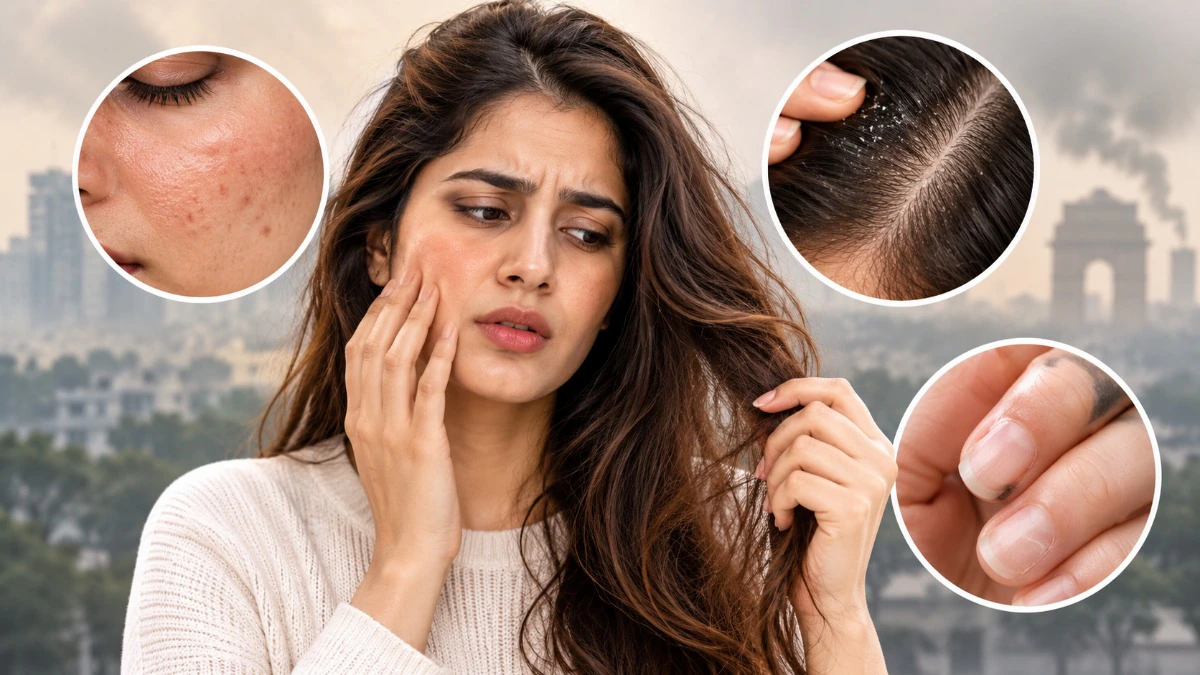
Air pollution has emerged as a significant concern not only for respiratory health but also for skin health. Prolonged exposure to polluted air can adversely affect the skin, leading to issues such as dryness, irritation, and premature ageing. Pollutants like PM2.5, PM10, dust, and soot can penetrate the skin and disrupt its natural protective barriers.

According to Dr Anil KV Minz, a Senior Dermatologist at Marengo Asia Hospitals and Genesis Skin and Hair Clinic in Faridabad, the impact of air pollution on skin health is primarily due to oxidative stress and inflammation. These factors can weaken the skin’s ability to retain moisture, leading to various skin conditions. The accumulation of harmful molecules, known as reactive oxygen species (ROS), can overwhelm the body’s antioxidant defences.

Common skin issues linked to air pollution include increased dryness and irritation, as pollutants compromise the skin barrier. This can result in heightened moisture loss, causing sensitivity and discomfort. Furthermore, oxidative stress can damage essential proteins like collagen and elastin, contributing to premature ageing signs such as fine lines and wrinkles.

Additionally, the presence of pollutants can exacerbate existing skin conditions, leading to increased irritation for individuals with sensitive skin or conditions like eczema. Acne and uneven skin tone may also worsen due to the clogging of pores and inflammation caused by pollutants.

Impact on Hair and Scalp Health

Prolonged exposure to air pollution can also have detrimental effects on hair and scalp health. Pollutants such as dust and soot can settle on the scalp and hair, leading to various issues. Accumulation of these substances may cause scalp irritation and inflammation, affecting the overall quality of hair.

Research suggests that particulate matter can damage hair follicle cells, potentially leading to increased hair fall. Pollutants may also compromise the hair cuticle, resulting in dry and dull hair. Furthermore, the inflammation caused by pollutants can lead to scalp sensitivity and conditions such as dandruff.

While air pollution is not a recognised independent cause of baldness, it can contribute to hair loss when combined with other factors like genetics and hormonal changes. Damage to the protective layer of hair strands can make them more susceptible to breakage, further impacting hair health.

Effects on Nail Health

The impact of air pollution on nail health is less understood compared to its effects on skin and hair. However, prolonged exposure to environmental pollutants may influence the appearance and condition of nails. Research on this topic remains limited, but some potential concerns have been identified.

Repeated contact with dust and pollutants can lead to surface discolouration of nails. Additionally, frequent washing to remove dirt may contribute to dryness around the nails and cuticles. Irritation of the cuticles can occur due to contact with environmental irritants, exacerbating sensitivity.

Moreover, dryness and exposure to harsh cleaning products can make nails more brittle, increasing the likelihood of splitting and breakage. While there is insufficient evidence to directly link air pollution to weak nails, maintaining nail hygiene and moisture is essential for overall nail health.

To mitigate these effects, individuals are advised to adopt protective measures, such as maintaining a consistent personal-care routine and reducing exposure to pollutants. Regular cleansing and moisturising can help support the skin and hair, while ensuring nails remain clean and well-maintained.

Long or Short, get news the way you like. No ads. No redirections. Download Newspin and Stay Alert, The CSR Journal Mobile app, for fast, crisp, clean updates!

App Store – https://apps.apple.com/in/app/newspin/id6746449540

Google Play Store – https://play.google.com/store/apps/details?id=com.inventifweb.newspin&pcampaignid=web_share

Latest News

Popular Videos
