


IIT Bombay Reports Limited Faculty Representation from SC, ST, and OBC Communities
The CSR Journal Magazine

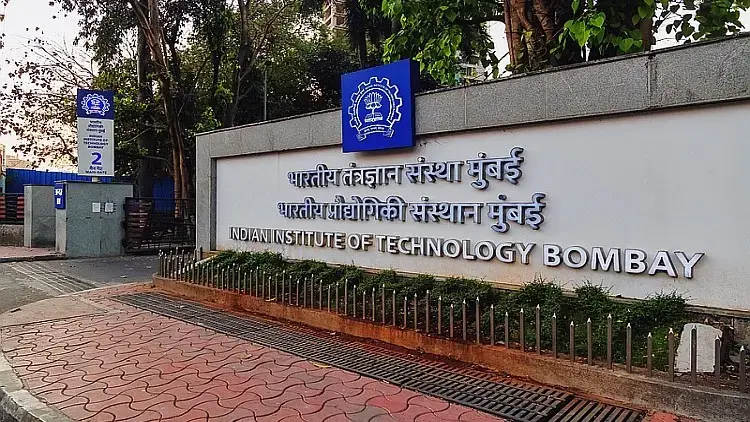
The Indian Institute of Technology Bombay has revealed limited representation of Scheduled Caste (SC), Scheduled Tribe (ST), and Other Backward Classes (OBC) faculty members, based on data obtained through a Right to Information (RTI) request. As of September 2026, the institute employed 412 professors, consisting of only five SC members and six OBC members, while there were no ST professors. The severe underrepresentation of these communities highlights ongoing diversity concerns within the faculty at this prestigious institution.

Changes in Faculty Numbers Over Time

There are significant variations in faculty representation when analysing the different academic ranks. Within the categories of associate and assistant professors, IIT Bombay has 363 faculty members, among whom are 29 SC, eight ST, and 35 OBC representatives. These figures were disclosed in the recent RTI response and reflect an increase compared to earlier data provided in February, which recorded 33 SC faculty members across all ranks including professors. Notably, in February data, there was one ST associate professor and seven ST assistant professors, while the OBC category included 41 faculty members.

The increase in the number of SC faculty members by one across the three academic ranks indicates a gradual change, albeit insufficient considering the total numbers involved. The rise in representation could be viewed as a step forward, yet the overall figures continue to underscore disparities that remain prevalent within higher education.

At a time when calls for inclusivity are increasingly common, these statistics might prompt further scrutiny and discussions regarding the effectiveness of current recruitment policies and procedures at the institute.

Context of Recent Events and Concerns Raised

The release of this data coincides with heightened scrutiny surrounding IIT Bombay following the death of Sahil Wakode, a 22-year-old student who reportedly died by suicide after being caught in an examination incident. The student’s parents have alleged that caste-based slurs were used against him during the incident, while the institute claims he received counselling from faculty. This tragic event has ignited debates about the mental health and wellbeing of students, particularly those from marginalized backgrounds, and how such factors intertwine with the institutional environment.

The individual who filed the RTI application, Gowd Kiran Kumar, chairperson of the All India OBC Students Association, has prompted further inquiry into the representation of SC, ST, and OBC members in educational institutions. He raised concerns about whether the limited number of faculty from these communities could potentially hinder the understanding and addressing of caste-related issues among students. According to Kumar, greater faculty diversity is essential for fostering an equitable educational atmosphere.

He has also advocated for improved opportunities for SC, ST, and OBC academics, emphasising that qualified individuals from these communities, including those with doctorate degrees from top-tier Indian and international universities, should receive more academic positions. Ensuring a diverse faculty is critical in creating an inclusive environment where all voices are represented and heard.

Long or Short, get news the way you like. No ads. No redirections. Download Newspin and Stay Alert, The CSR Journal Mobile app, for fast, crisp, clean updates!

App Store –  https://apps.apple.com/in/app/newspin/id6746449540 

Google Play Store – https://play.google.com/store/apps/details?id=com.inventifweb.newspin&pcampaignid=web_share

Latest News

Popular Videos
