


IAF Requires 36-40 New Fighter Jets Annually to Prevent Squadron Decline
The CSR Journal Magazine

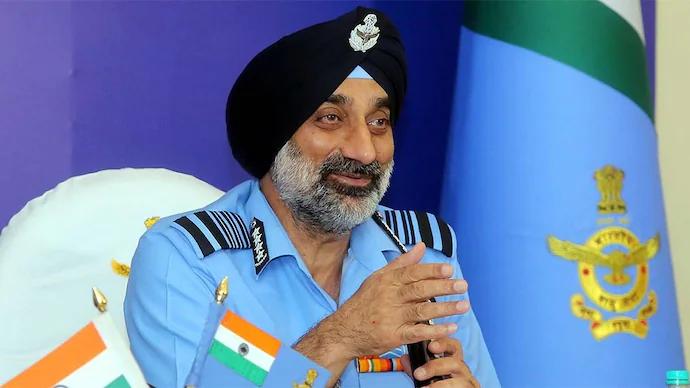
Indian Air Force Chief Air Chief Marshal AP Singh stated on Saturday that the Force necessitates the acquisition of 36 to 40 new fighter jets each year to stop the decline in its squadron strength. This assertion was made during his annual press conference held prior to Air Force Day.

Singh indicated that this procurement would equate to the addition of approximately two new fighter squadrons every year. He underscored the direct impact that delays in aircraft development and manufacturing can have on operational capabilities, emphasising that “technology delayed is technology denied.”

Current and Future Aircraft Programmes

Singh outlined several ongoing programmes designed to address the shortfall in fighter aircraft. These include the Tejas Mk-1A and Tejas Mk-2 projects, alongside the proposed purchase of 114 Multi-Role Fighter Aircraft (MRFA). He also referred to the Advanced Medium Combat Aircraft (AMCA), which is India’s ambitious fifth-generation fighter initiative. Hindustan Aeronautics Limited (HAL) is expected to ramp up production to exceed 24 aircraft annually.

Singh noted that if these programmes progress as intended, they could collectively fulfil the annual demand for new jets. In the event of delays affecting the AMCA or other projects, Singh mentioned that the IAF may need to contemplate alternative fighter platforms. Regarding any current discussions with Russia concerning the Su-57 fighter jet, he noted that no decision has yet been made.

Theatre Commands Structure Under Review

On the matter of theatre commands, Singh conveyed that the IAF does not oppose their formation but indicated that the structure and implementation of such commands require meticulous evaluation. He referenced operational lessons learned from Operation Sindoor, which have influenced the ongoing discussions about restructuring.

The revamped Chiefs of Staff Committee will reassess the proposed command structure to determine whether it should be executed all at once or in phases. Singh confirmed that the military would present recommended options to the government following their internal examination. This indicates a collaborative approach to decision-making regarding future military organisation.

During the press conference, Singh expressed concerns regarding the military cooperation between Pakistan and China, particularly in the context of developing fifth-generation fighter jets. He categorised this partnership as a significant “cause of concern” for India’s national security. However, he also noted that Pakistan has yet to fully realise the potential of its aircraft due to deficiencies in integrating these platforms with its broader combat system.

Singh highlighted that an aircraft’s overall effectiveness is contingent upon how seamlessly it operates within a larger combat network. This statement underscores the complexities surrounding modern aerial warfare and the interconnected nature of military assets. The insights shared by Singh will inform the ongoing discussions on enhancing the IAF’s operational readiness and capability.

Long or Short, get news the way you like. No ads. No redirections. Download Newspin and Stay Alert, The CSR Journal Mobile app, for fast, crisp, clean updates!

App Store –  https://apps.apple.com/in/app/newspin/id6746449540 

Google Play Store – https://play.google.com/store/apps/details?id=com.inventifweb.newspin&pcampaignid=web_share

Latest News

Popular Videos
