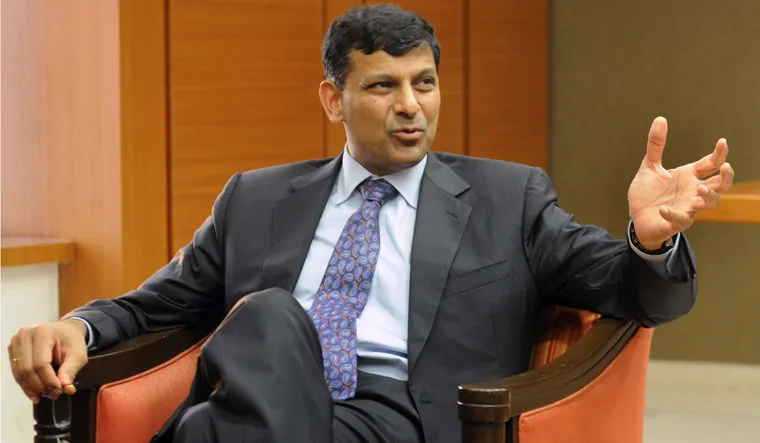

Raghuram Rajan, the former Governor of the Reserve Bank of India, has raised alarming concerns regarding the potential global economic repercussions of the ongoing conflict involving the United States and Israel against Iran. He stated that the situation could lead to a significant oil crisis, destabilizing financial systems and increasing vulnerability for oil-dependent economies, particularly India. As the conflict enters its third week, Rajan emphasized that the state of the global economy is heavily contingent upon the duration of the hostilities.
Energy Disruptions Already Affecting Global Markets
Speaking in an interview, Rajan pointed out that even a brief conflict has already disrupted around 20 percent of global energy production. While some nations have managed to mitigate the immediate effects by utilizing reserves, he indicated that prolonged hostilities would escalate the overall impact. He expressed concern that supply disruptions could lead to a sharp downturn in demand, stating that a significant portion of global energy sources being offline would necessitate drastic adjustments in consumption patterns. He projected that oil prices could potentially reach levels between $150 and $200 per barrel, a scenario that could generate severe economic stress across various regions.
Concerns Over the Strait of Hormuz and Asia’s Economic Exposure
The ongoing crisis is further complicated by the vulnerabilities surrounding the Strait of Hormuz, a vital conduit for a substantial amount of the world’s oil and gas supply. Rajan pointed out that Asian economies, including India, China, Japan, and South Korea, are particularly vulnerable in this context. He warned that disruptions in this key region could have global ramifications, with increasing prices affecting economies well beyond Asia, including those with relative insulation, like the United States.
High Oil Prices and Broader Economic Consequences
Rajan elaborated on the broader macroeconomic implications of escalating oil prices. He noted that higher energy costs tend to induce inflationary pressures at a time when many economies are grappling with rising prices. To counteract inflation, interest rates may need to remain elevated, which presents challenges for economies that are already struggling with fiscal deficits. He cautioned that if the situation continues, it could create risks within the financial sector.
India’s Specific Vulnerability and Strategic Recommendations
Highlighting India’s unique vulnerabilities, Rajan stated that the country is particularly exposed due to its dependence on imported crude oil. He acknowledged that while India’s inflation-targeting framework has helped manage expectations to some degree, prolonged price shocks could complicate efforts to maintain inflation within acceptable levels. He expressed concern regarding the sustainability of government subsidies for oil, noting that these cannot be maintained indefinitely. Rajan emphasized that consumers, farmers, and producers would ultimately need to adapt to high oil prices.
Need for Strategic Policy Adjustments
In light of the external risks stemming from rising oil prices, Rajan noted that India’s current account deficit could broaden significantly. He stressed that even modest fluctuations in crude prices could have substantial implications, while sustained increases would further pressure the rupee and overall economic stability. Looking ahead, Rajan called for a comprehensive re-evaluation of energy strategies, recommending the expansion of strategic petroleum reserves, diversification of energy sources, and building resilience within critical supply chains.
A Wake-Up Call for Global Policymakers
Rajan characterized the ongoing conflict as a critical alert for policymakers around the world. While temporary solutions may offer some relief, he underscored that it is not feasible to rely solely on subsidies to navigate this crisis. He cautioned that if the conflict lingers, economies will face the necessity of making significant adjustments as oil prices, inflation, and global growth remain precariously interlinked.
Long or Short, get news the way you like. No ads. No redirections. Download Newspin and Stay Alert, The CSR Journal Mobile app, for fast, crisp, clean updates!
App Store – https://apps.apple.com/in/app/newspin/id6746449540
Google Play Store – https://play.google.com/store/apps/details?id=com.inventifweb.newspin&pcampaignid=web_share