


Data Overload Disrupts US Flights, FAA Implements Ground Stop
The CSR Journal Magazine

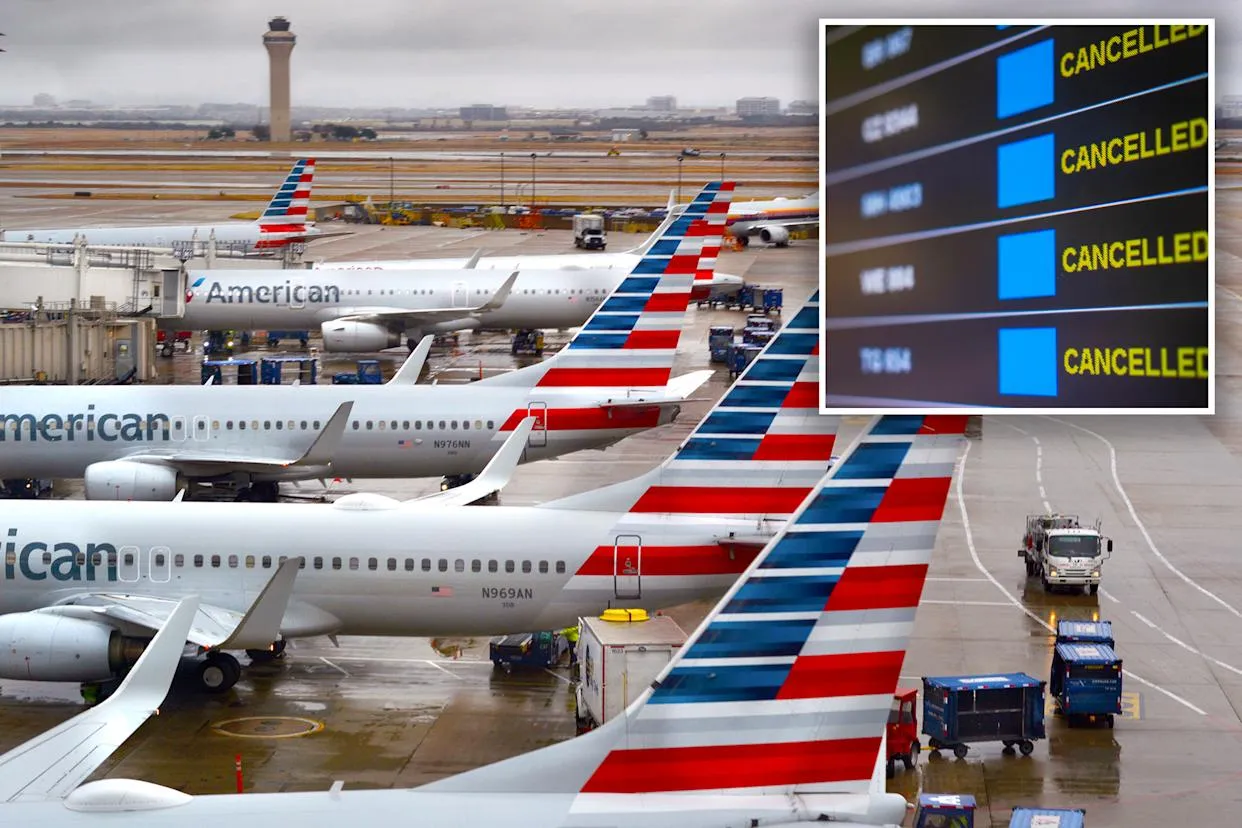
A data overload in the telecommunications network utilised by air traffic control centres across the United States resulted in a nationwide halt of flight departures for over four hours on Friday. Officials indicated that the disruption might be associated with new software integrated into the system. This incident marked the third nationwide ground stop in the US this century, following the September 11, 2001, attacks and a computer failure in January 2023. Transportation Secretary Sean Duffy reported that more than 3,500 aircraft were airborne when the issues arose.

Homeland Security Secretary Markwayne Mullin assured the public that no one was in danger during the incident. The problems began at 3.36 pm Eastern Time, when radar and communications at centres managing high-altitude traffic became unstable. The Federal Aviation Administration (FAA), which oversees US air traffic control, ordered the ground stop after a “communication issue” affected all Air Route Traffic Control Centres, as stated by Duffy. The ground stop was lifted at 8.15 pm.

Impact on Flights and Operations

Approximately 11,000 flights, carrying over 1.5 million passengers, were scheduled to depart from US airports after 4 pm, according to aviation analytics firm Cirium. By 11.30 pm, nearly 10,000 flights had been cancelled, as reported by flight-tracking website Flightradar24. By 7.05 pm, at least 827 flights had been diverted, highlighting the significant impact of the disruption on air travel.

Air traffic control in the US operates in layers, with controllers in airport towers managing aircraft on and around runways. Facilities known as Tracons, or terminal radar approach control, guide planes between the airport and cruising altitude. The FAA has 20 domestic en route centres that manage aircraft at high altitudes between airports. A national command centre coordinates traffic across the country and issues ground stops after consulting with FAA facilities and affected airlines.

The en route centres depend on an outdated telecommunications network to receive radar data and communicate with pilots. L3Harris, a US aerospace and defence company, operates and maintains this network, which connects over 4,400 FAA facilities.

Causes of the Disruption

Duffy explained that the issue stemmed from switches and routers within the network becoming overloaded with data, leading to inconsistencies. Although controllers did not completely lose radar or radio communication, they experienced intermittent issues. Some equipment was reportedly already operating beyond capacity, and the failure spread to the backbone of the old telecommunications system.

Investigators are currently examining the cause of the overload, with the FAA implementing new equipment and software as part of an ongoing overhaul. Mullin noted that the updates might have overwhelmed the older systems, although Duffy clarified that the equipment that failed was outdated and not part of the new installations. Investigators are considering whether a specific update triggered the failure, but there is currently no evidence of a cyberattack or rogue AI involvement.

Controllers managed the situation using contingency plans, ensuring that aircraft already in the air were safely directed. The FAA maintains backup radios for emergencies, and pilots can communicate with one another even if they lose contact with controllers. By 7.05 pm, 670 flights had returned to their departure airports, while 157 had diverted elsewhere.

Long or Short, get news the way you like. No ads. No redirections. Download Newspin and Stay Alert, The CSR Journal Mobile app, for fast, crisp, clean updates!

App Store – https://apps.apple.com/in/app/newspin/id6746449540

Google Play Store – https://play.google.com/store/apps/details?id=com.inventifweb.newspin&pcampaignid=web_share

Latest News

Popular Videos
