


app-store-logo
play-store-logo
December 18, 2025

China Embassy tells Delhi How it Cleaned its Air: Tough Vehicle Rules and Public Transport Focus

The CSR Journal Magazine

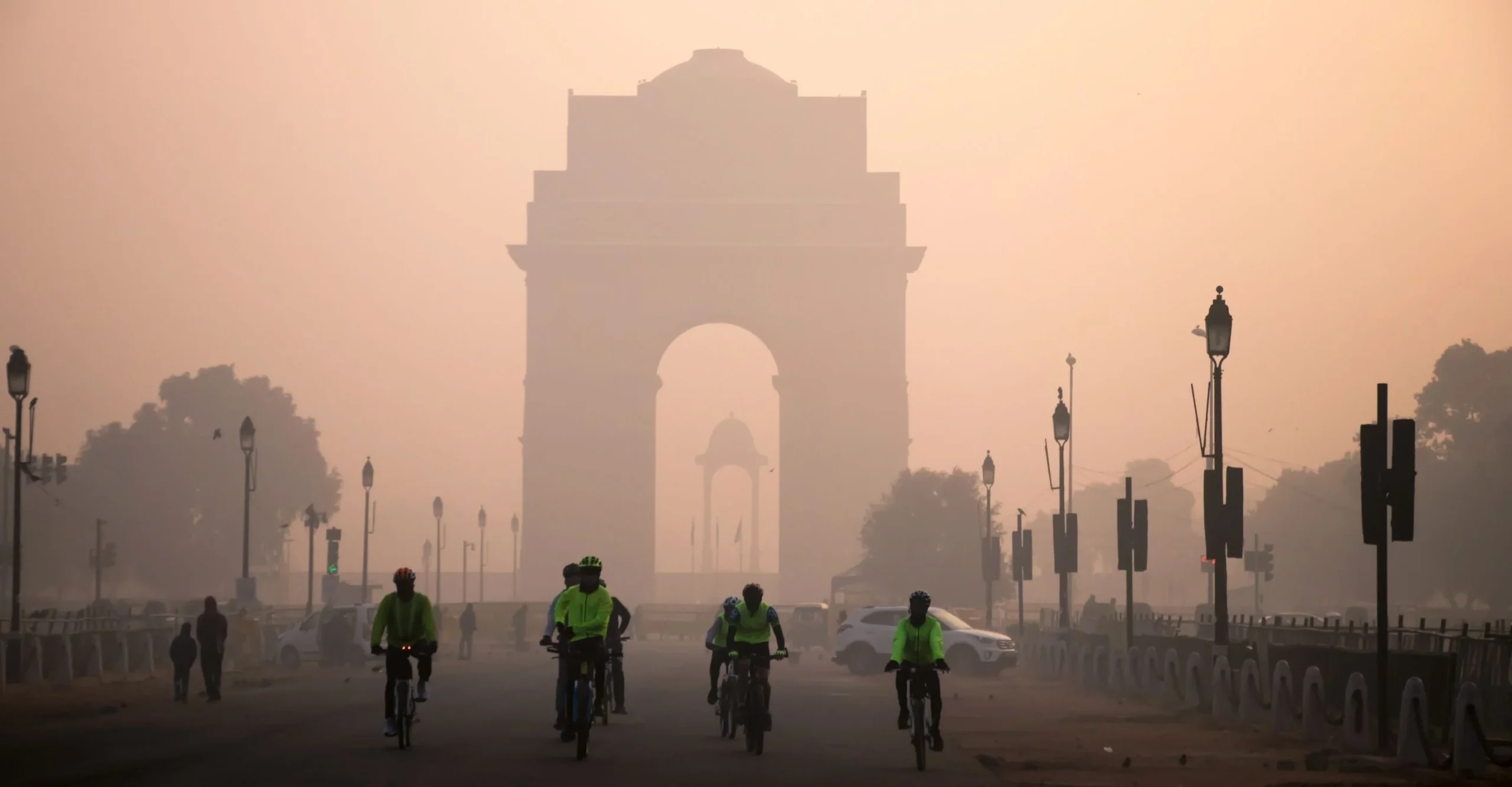
Delhi’s winter pollution has once again brought public health and governance into sharp focus. As thick smog hangs over the city and emergency measures are rolled out, the Chinese embassy in India has stepped into the debate with a clear message: China has faced similar, and in many cases worse, air pollution in the past, and it managed to bring it down through firm policy choices and strict enforcement. In a public note and social media posts, the embassy outlined what it described as a tested path, centred on ultra-strict vehicle emission norms, a strong push for public transport, and long-term planning rather than short-term firefighting. The message was summed up simply: “This is how we did it.”

China’s Own Struggle with Severe Air Pollution

China’s advice carries weight because its major cities, including Beijing, Tianjin and Hebei, were once among the most polluted in the world. A decade ago, winter smog episodes in northern China regularly shut schools, delayed flights and led to widespread public anger. Fine particulate matter levels often crossed safe limits by many times, similar to what Delhi experiences today during peak winter months.

Faced with growing health concerns and social pressure, the Chinese government treated air pollution as a national priority. It framed the issue not just as an environmental problem but as a threat to economic stability and public welfare. This led to coordinated action across ministries, local governments and state-owned enterprises. According to the embassy, the key lesson from that phase is that incremental steps were not enough; strong and sometimes unpopular decisions had to be taken.

Ultra-Strict Vehicle Emission Standards

One of the main points highlighted by the Chinese embassy is the role of very strict vehicle emission standards. China rapidly upgraded its emission norms for cars, buses and trucks, often moving faster than many developed countries. Older, high-polluting vehicles were phased out, especially diesel trucks that contributed heavily to particulate pollution.

In large cities, entry restrictions were placed on older vehicles, and in some cases entire fleets were replaced within a few years. The embassy notes that enforcement was critical. Rules were backed by regular checks, heavy fines and, where needed, removal of non-compliant vehicles from the road. This approach reduced emissions from transport, which had been a major source of urban air pollution.

Massive Investment in Public Transport

Alongside strict norms, China invested heavily in public transport. The embassy stressed that people were given practical alternatives to private vehicle use. Metro networks expanded rapidly in cities like Beijing, Shanghai and Shenzhen. Bus fleets were modernised, with a strong shift towards electric buses, which now operate on a very large scale in China.

Public transport was made affordable, frequent and reliable, encouraging citizens to leave their cars at home. Urban planning was also aligned with transport policy, with residential and commercial areas better connected to mass transit. The embassy’s message is clear that without such investment, simply restricting private vehicles would have caused public resentment and limited results.

Electric Mobility and Cleaner Fuels

Another pillar of China’s strategy was the promotion of electric vehicles and cleaner fuels. China offered incentives for electric cars, two-wheelers and buses, while simultaneously building charging infrastructure across cities and highways. This reduced dependence on fossil fuels and cut tailpipe emissions.

For vehicles that continued to run on conventional fuels, fuel quality standards were tightened. Cleaner petrol and diesel were introduced nationwide, reducing sulphur content and other harmful components. According to the embassy, aligning fuel standards with vehicle technology was essential to achieving real emission reductions.

Strong Monitoring and Data-Driven Action

The Chinese embassy also underlined the importance of robust monitoring systems. China invested in dense networks of air quality monitoring stations, providing real-time data to authorities and the public. This data was used to identify pollution hotspots, track the impact of policies and hold local officials accountable.

In many regions, air quality targets were linked to the performance evaluation of local administrations. This created pressure at the ground level to implement measures seriously rather than on paper. The embassy suggests that transparency and accountability helped build public trust over time, even when measures were strict.

Lessons and Limits for Delhi

While offering its experience, the Chinese embassy has also acknowledged that every country has its own social and economic realities. Delhi’s pollution is influenced by factors such as crop residue burning, construction dust and regional weather patterns, which require local solutions. However, the embassy’s core argument is that transport reforms can deliver significant and lasting benefits if pursued with consistency.

For Delhi, the message is that emergency measures like temporary vehicle bans or school closures can provide short-term relief, but they cannot replace structural reforms. Ultra-strict vehicle norms, a serious shift towards public transport, cleaner fuels and strong enforcement need to be part of a long-term plan.

As Delhi searches for answers, China’s experience serves as both a reminder and a challenge. Cleaner air, the embassy suggests, is achievable, but only when governments are willing to take tough decisions, invest heavily in alternatives, and stay the course over many years.

Long or Short, get news the way you like. No ads. No redirections. Download Newspin and Stay Alert, The CSR Journal Mobile app, for fast, crisp, clean updates!

App Store –  https://apps.apple.com/in/app/newspin/id6746449540 

Google Play Store – https://play.google.com/store/apps/details?id=com.inventifweb.newspin&pcampaignid=web_share

Latest News

Popular Videos