


21-Hour Islamabad Talks Fail to Yield Ceasefire Between US and Iran
The CSR Journal Magazine

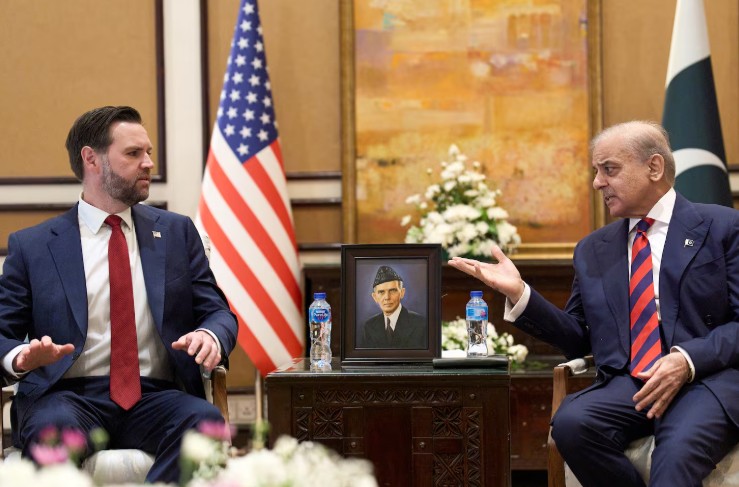
The recent round of negotiations between Iran and the United States aimed at reaching a ceasefire ended in failure after 21 hours of discussions in Islamabad. The talks, which commenced on October 14, 2023, were expected to address ongoing tensions between the two nations. Delegates from both countries had convened at a local hotel, engaging in face-to-face dialogues with hopes of progressing towards de-escalation.

During the lengthy discussions, various key issues were tabled, including military operations, humanitarian aid access, and the regional implications of any potential agreement. While both sides initially expressed a commitment to finding common ground, the marathon session ultimately revealed deep-seated disagreements that could not be reconciled in the limited timeframe.

Sticking Points in the Discussions

One of the primary sticking points was the matter of sanctions imposed on Iran by the United States. Iranian representatives insisted on the lifting of certain economic restrictions as a prerequisite for any ceasefire arrangement. Conversely, US officials maintained that sanctions would remain in place until Iran demonstrated a commitment to curbing its military activities in the region.

Additionally, the two parties struggled to agree on terms regarding international observers who would monitor compliance with any ceasefire agreement. Iran demanded a say in selecting these monitors, while the US called for independent entities to ensure impartial oversight. This disagreement played a significant role in the talks’ breakdown, exposing differing priorities and trust levels between the nations.

Humanitarian considerations also emerged as a contentious issue during the marathon discussions. While both parties acknowledged the need for humanitarian assistance to conflict-affected populations, disagreements over the delivery mechanisms hindered progress. The US proposed using international agencies for aid distribution, a plan met with skepticism by Iranian officials, who preferred a more direct approach.

Reactions Following the Failed Negotiation

In the aftermath of the talks, reactions from officials were mixed. Iranian diplomats expressed disappointment over the outcome, highlighting their willingness to engage in further discussions in the future. They reiterated their commitment to resolving tensions through diplomatic channels rather than military means.

US representatives, however, appeared more resigned to the breakdown, emphasising the need for Iran to make concrete moves towards de-escalation before further talks could occur. They underscored that without significant progress on essential issues, it may be challenging to reconvene in the near term.

This latest failure in negotiations underscores the complex dynamics between Iran and the US, rooted in historical grievances and conflicting interests. Observers note that continued dialogue may be necessary, but without meaningful concessions from both sides, sustaining momentum for future talks remains uncertain.

Long or Short, get news the way you like. No ads. No redirections. Download Newspin and Stay Alert, The CSR Journal Mobile app, for fast, crisp, clean updates!

App Store –  https://apps.apple.com/in/app/newspin/id6746449540 

Google Play Store – https://play.google.com/store/apps/details?id=com.inventifweb.newspin&pcampaignid=web_share

Latest News

Popular Videos
