


app-store-logo
play-store-logo
February 16, 2026

Women’s Entry In Temples, Mosques And Fire Temples Under Supreme Court Lens
The CSR Journal Magazine

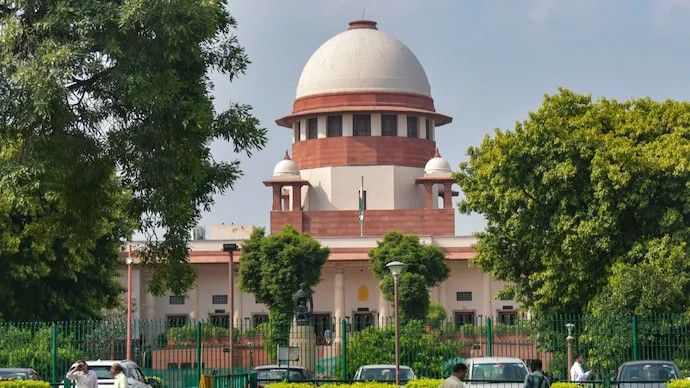
A nine judge bench of the Supreme Court will begin hearing a batch of petitions related to alleged discrimination against women at religious places on April 7, including the contentious issue of women’s entry into Kerala’s Sabarimala Temple.

The schedule was set by a bench led by Chief Justice of India Surya Kant along with Justices Joymalya Bagchi and Vipul M Pancholi. The court said hearings will continue until April 22, with arguments from all sides arranged within a strict timeline. The composition of the nine judge bench will be announced separately by the Chief Justice through an administrative order.

Detailed Hearing Schedule Announced

According to the court’s directions, parties supporting the review petitions will present their arguments from April 7 to April 9. The original petitioners opposing the review pleas will be heard between April 14 and April 16. Rejoinder submissions, if any, are scheduled for April 21, followed by final submissions from the court appointed amicus on April 22.

The court emphasised that all parties must adhere to the timeline and coordinate internally to ensure efficient proceedings. The matter involves complex constitutional questions and is expected to be one of the most significant hearings on the relationship between faith and gender equality.

Multiple Faith Based Practices Under Scrutiny

Apart from the Sabarimala issue, the nine judge bench will examine several related petitions concerning women’s access to religious institutions across different faiths. These include the entry of Muslim women into mosques and dargahs, the rights of Parsi women who marry outside the community to enter fire temples, and challenges to practices such as excommunication and Female Genital Mutilation among the Dawoodi Bohra community.

The legal debate centres on the balance between essential religious practices and constitutional guarantees of equality and dignity.

Background Of The Sabarimala Verdict

In 2018, a Constitution Bench of the Supreme Court allowed women of all ages to enter the Sabarimala Sree Dharma Sastha Temple, dedicated to Lord Ayyappa. The ruling struck down a long standing practice that barred women between the ages of 10 and 50.

However, the judgment triggered widespread protests and numerous review petitions. In February 2020, a larger bench decided to examine broader constitutional questions affecting similar practices across religions rather than limiting the issue to Sabarimala alone.

The Centre and several other parties support the review petitions, effectively challenging the 2018 verdict, while the original petitioners are seeking to uphold the earlier ruling.

The upcoming hearings are expected to have far reaching implications for religious freedom, gender equality and the interpretation of constitutional morality in India.

Long or Short, get news the way you like. No ads. No redirections. Download Newspin and Stay Alert, The CSR Journal Mobile app, for fast, crisp, clean updates!

App Store –  https://apps.apple.com/in/app/newspin/id6746449540 

Google Play Store – https://play.google.com/store/apps/details?id=com.inventifweb.newspin&pcampaignid=web_share

Latest News

Popular Videos
