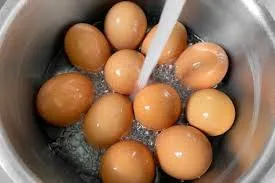

Think about the last time you cooked with eggs. Maybe it was a hurried breakfast, a late-night omelette, or a cake baked with love for your family. Chances are, you cracked the egg straight into the pan or bowl without giving the shell a second thought. After all, it looked clean. But here’s the truth most kitchens ignore: the real risk isn’t inside the egg—it’s often on the shell.
Egg shells travel a long way before they reach your kitchen. From farms to crates, transport trucks to store shelves, they pass through many hands and surfaces. Along this journey, shells can pick up dirt and harmful germs, including Salmonella. This bacteria is invisible, odorless, and sneaky. You won’t notice it until it makes someone sick. That’s why washing eggs before cracking them is not overcautious—it’s smart.

The shell of an egg may feel hard, but it’s actually full of tiny pores. When you crack an unwashed egg, whatever is sitting on the shell can easily slide into the egg white or yolk. That means bacteria from the outside can end up right in your food. Washing the egg removes surface dirt and significantly reduces harmful bacteria, creating a safer start to your cooking process.
There’s another problem most of us overlook—cross-contamination. Picture this: you crack a dirty egg, then touch the pan handle, your phone, the spice jar, or the countertop. Without realizing it, germs spread across your kitchen. Washing eggs before use helps stop this chain reaction. Cleaner eggs mean cleaner hands, cleaner surfaces, and a much safer cooking space overall.

Handling washed eggs also feels better. Clean shells don’t leave sticky residue or unpleasant grit on your fingers. This might sound minor, but it makes cooking smoother and more enjoyable, especially when you’re preparing meals for others. Small habits like these build confidence in the kitchen and encourage better hygiene without extra effort.
At home, food safety isn’t about complicated rules or strict routines—it’s about awareness. Washing eggs is one of those simple, no-stress habits that quietly supports better hygiene. When combined with proper handwashing, clean utensils, and thorough cooking, it forms a strong defense against foodborne illness. You may not see the impact immediately, but your body will thank you for it.
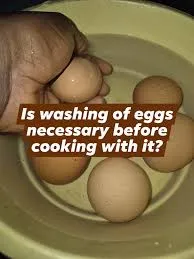
The biggest reason to wash eggs before cracking them is the people you cook for. Food poisoning doesn’t always mean a mild stomach ache. For children, older adults, pregnant women, and people with weaker immunity, it can be serious. That quick rinse under clean water is a small act of care—one that protects your family from avoidable illness.
In our busy lives, it’s easy to skip steps that seem unnecessary. But food safety often lives in these overlooked moments. “Wash before you crack” is a simple rule with a powerful impact. It takes just a few seconds, requires no special tools, and can prevent days of discomfort or worse.
So the next time you reach for an egg, pause briefly. Wash it. Then crack it with confidence, knowing you’ve made your kitchen a little safer and your meal a lot more responsible. Sometimes, the smallest habits make the biggest difference.