


Uttarakhand Initiates Measures Against App-Based Delivery Services
The CSR Journal Magazine

The Uttarakhand Transport Department is set to implement measures against riders operating motorcycles with private registration numbers for commercial purposes on app-based platforms like Rapido, Zomato, and Swiggy. Officials assert that employing privately registered vehicles for commercial functions is a breach of the Motor Vehicles Act.

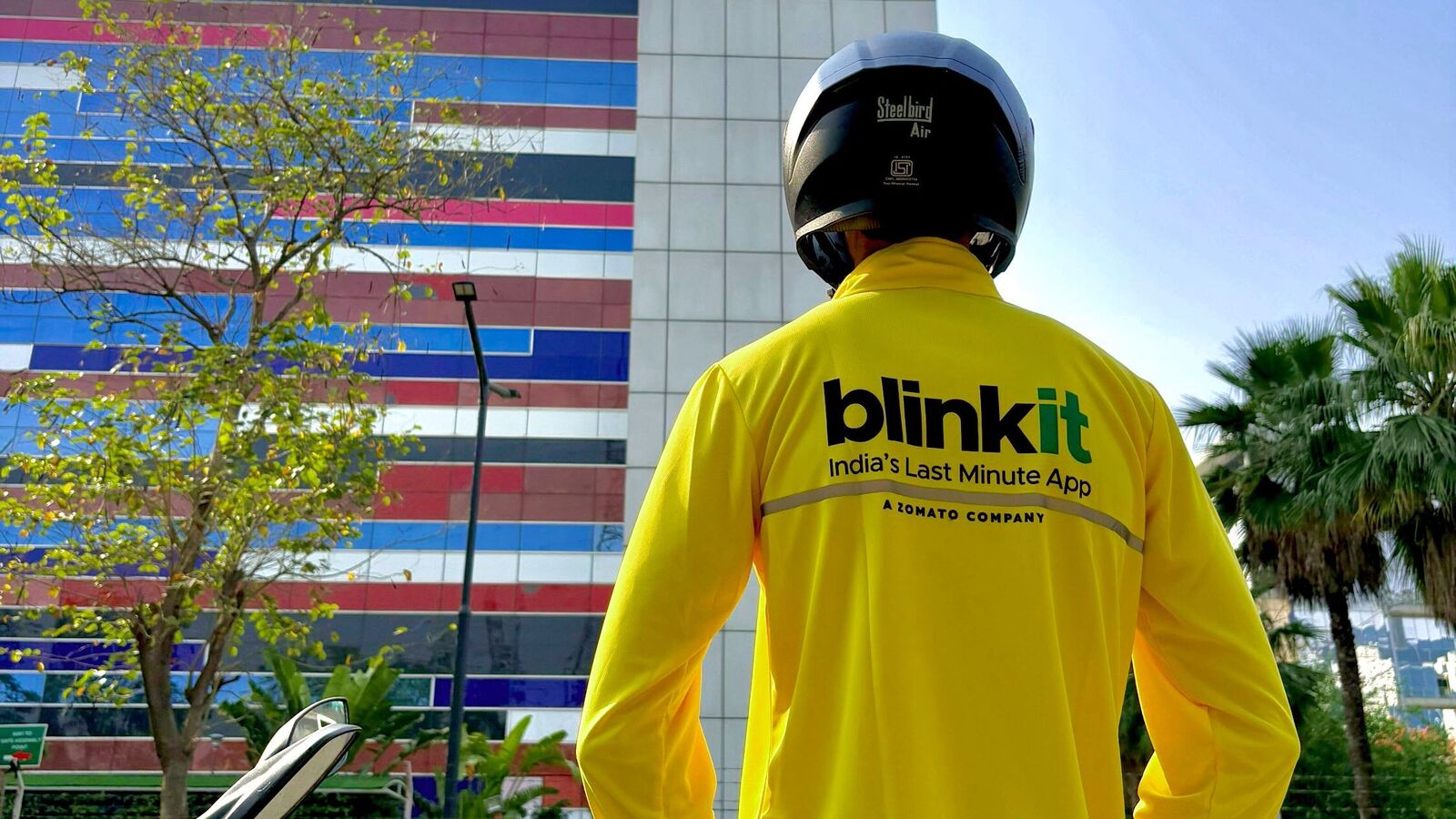
This crackdown is likely to impact many delivery personnel who utilise their personal motorcycles for transporting food, parcels, and household items across the state, particularly in Dehradun. According to the Transport Department, compliance with specific requirements is essential for vehicles engaged in commercial activities.

These stipulations include obtaining commercial registration, fulfilling tax obligations, securing necessary permits, and ensuring vehicle fitness. Officials believe that allowing private vehicles to engage in commercial operations undermines operators who adhere to established regulations.

This enforcement strategy indicates a significant shift in regulatory oversight concerning private motorcycle usage for business activities. The department’s actions aim to ensure fairness within the delivery service sector while emphasising public safety and compliance with existing transport laws.

Increased Enforcement Actions Observed

The Transport Department has intensified its efforts against privately registered vehicles utilised for commercial passenger transport. Reports indicate that authorities have confiscated over 100 such two-wheelers in Dehradun alone. The department now plans to broaden its focus to include private motorcycles engaged in deliveries of food, parcels, and household goods.

Acknowledging the conflict between commercial operations and private vehicle usage, Deputy Transport Commissioner Shailesh Tiwari states that operating commercial activities with private motorcycles or cars contravenes established regulations.

While there is no opposition to companies employing commercial vehicles, Tiwari cautioned that the misuse of private vehicles for businesses would prompt actions under the Motor Vehicles Act. The intention is to protect compliant operators and enforce regulations that safeguard public interests and ensure the legal functioning of the transport sector.

Strategic Measures for Identifying Violations

In a bid to effectively enforce these new measures, the Transport Department has adopted a strategy involving the booking of rides through app-based platforms. Officials have been making reservations for four-wheeler rides to identify the usage of private vehicles for commercial activities. When a vehicle arrives at the designated pickup location, its documentation and operational status undergo thorough scrutiny before any further steps.

The department maintains that app-based companies primarily function as intermediaries connecting passengers with vehicle owners. Nevertheless, should a private vehicle be found engaged in commercial operations, regulatory provisions allow for taking actions against its registered owner. This approach ensures that the department can validate compliance directly and address violations systematically.

Furthermore, officials are planning to issue official notices to online delivery platforms to gain clarity on the types of vehicles used by their delivery partners. If found to be violating regulations, both vehicle owners and the associated companies may face legal action. The recent enforcement drive, with over 100 two-wheelers already seized, highlights the growing focus on regulating app-based delivery services in the region.

Long or Short, get news the way you like. No ads. No redirections. Download Newspin and Stay Alert, The CSR Journal Mobile app, for fast, crisp, clean updates!

App Store –  https://apps.apple.com/in/app/newspin/id6746449540 

Google Play Store – https://play.google.com/store/apps/details?id=com.inventifweb.newspin&pcampaignid=web_share

Latest News

Popular Videos
