


app-store-logo
play-store-logo
February 23, 2026

US Court Nullifies Indian Tariff Agreement, Resulting in Lower Rates
The CSR Journal Magazine

For a span of three weeks, India and the United States reached a tariff agreement, formalized on February 2. Under the terms, the US was set to impose an 18 percent tariff on Indian goods at American ports. In return, India would eliminate its own tariffs on US products, aiming to enhance bilateral trade. However, this arrangement faced turbulence when the US Supreme Court invalidated the law that supported the agreement just 18 days later, leaving India to contend with a new and unexpected tariff rate.

Current Tariff Rates and Legal Context

As of Sunday morning, India’s tariff payment stood at 15 percent. This figure emerges not from the negotiated terms but due to the sudden collapse of the legal framework underlying the deal. This situation is further complicated by Section 122 of the Trade Act of 1974, which permits the US President to set tariffs of up to 15 percent in response to a significant balance-of-payments deficit. Consequently, India finds itself paying a lower rate, having committed to zero tariffs on US imports in exchange for what was initially a higher agreed rate.

Impact on Indian Exports

India’s annual exports to the US amount to approximately Rs 7.3 lakh crore, equating to about $86.9 billion. The three percentage point reduction in tariff rates translates into a financial relief of approximately Rs 22,000 crore, or $2.6 billion, for Indian exporters. Despite the less favorable legal circumstances, the reductions still yield a better outcome than intended under the original agreement.

Global Tariff Landscape

The Supreme Court’s decision created varied effects across 195 nations, as reported by tracking data. Out of these, 28 countries, including India, China, Brazil, and Canada, benefitted from reduced tariff rates. Conversely, 69 nations maintained the same tariff rates established earlier, while 98 countries saw an increase, moving from a baseline tariff of 10 percent to a new rate of 15 percent.

Timeline of Events

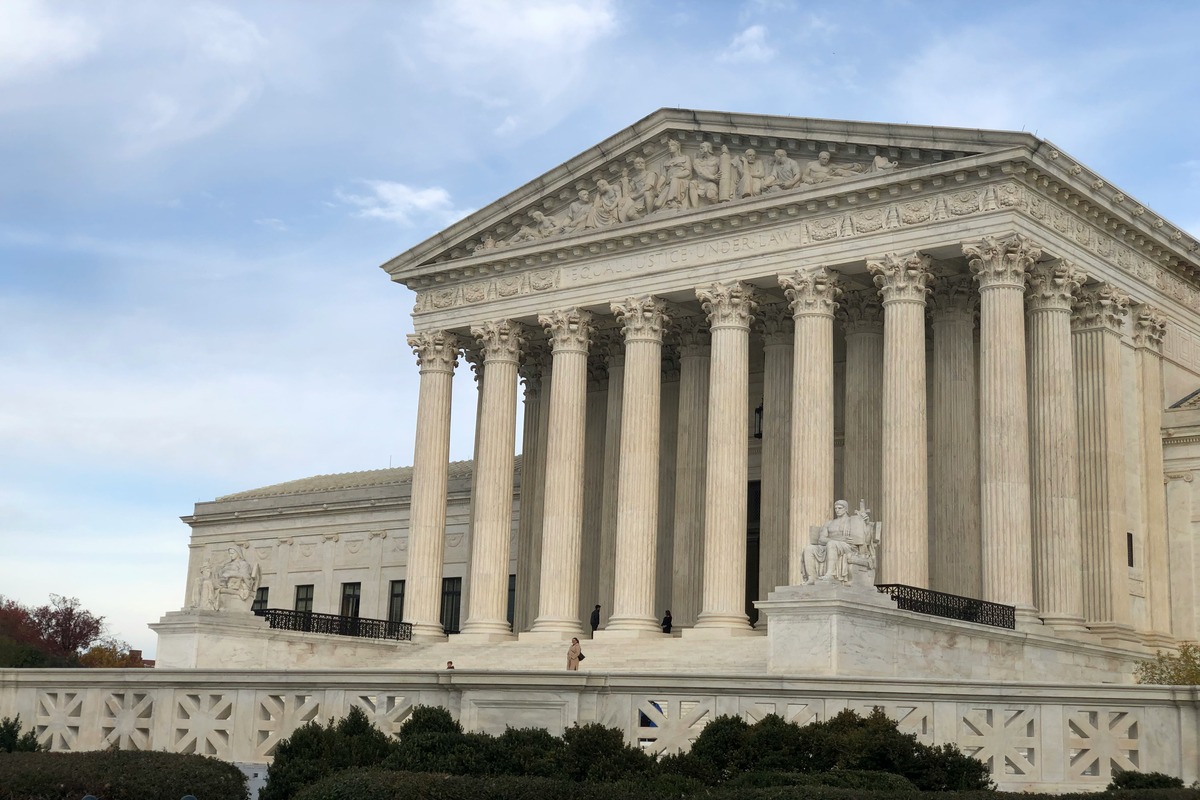
The series of events leading to the current scenario began on February 20, when the US Supreme Court ruled 6-3 that President Trump lacked authority to impose tariffs under the International Emergency Economic Powers Act, effectively nullifying the legal basis for many tariffs. Following this, on February 21, Trump initiated a new order imposing a 10 percent global tariff, which was subsequently raised to the maximum 15 percent allowed under Section 122 on February 22. India’s scheduled trade discussions in Washington were postponed due to the uncertain legal situation created by this ruling.

Future Considerations

The implications of the Section 122 order are temporary and complex. Currently lasting for 150 days, the provision may require congressional action to extend beyond its expiration around July 22. Additionally, this section has not been previously invoked, leading to uncertainties regarding its legal standing. In light of the recent changes, Section 301 investigations may also be considered, allowing for new tariff impositions based on perceived unfair trade practices.

Reactions from Other Nations

Countries like Japan and Indonesia had entered into significant investment commitments with the US under the threat of high IEEPA tariffs. With the annulment of the legal grounds for these tariffs, these governments must now navigate increased domestic political pressure. The chair of the European Parliament’s trade committee signaled potential delays in the EU’s ratification of its trade agreement with the US, echoing concerns similar to those expressed by Indian officials.

Next Steps for India and the US

It remains to be seen whether India will reschedule its discussions with the US and what legal authorities will be cited for any new agreements. Additionally, the fate of the 15 percent tariff will depend on congressional actions, continued developments concerning Section 301, and any legal challenges that may arise against the current provisions, all of which could introduce further layers of uncertainty in international trade relations.

Long or Short, get news the way you like. No ads. No redirections. Download Newspin and Stay Alert, The CSR Journal Mobile app, for fast, crisp, clean updates!

App Store –  https://apps.apple.com/in/app/newspin/id6746449540 

Google Play Store – https://play.google.com/store/apps/details?id=com.inventifweb.newspin&pcampaignid=web_share

Latest News

Popular Videos
