


US May Consider Ending Military Campaign in Iran Amid Strait of Hormuz Tensions
The CSR Journal Magazine

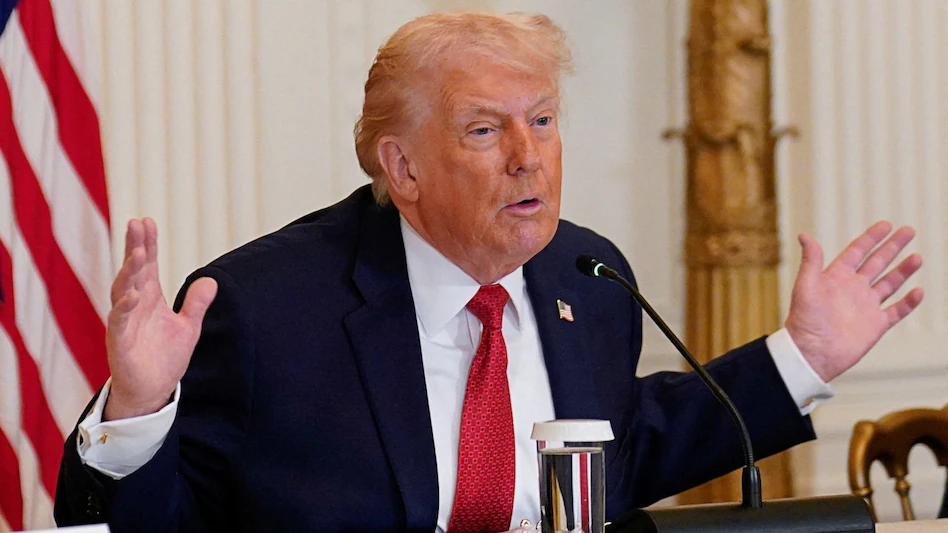
United States President Donald Trump is reportedly evaluating the possibility of concluding the U.S. military operations in Iran, even if the Strait of Hormuz remains closed. According to sources, Trump has communicated his intention to reduce military engagements against Iran within a timeframe of four to six weeks while recognizing Tehran’s effective control over the strategic waterway. The administration is now expected to pivot towards diplomatic approaches aimed at reopening this vital maritime route.

Objective Realizations and Oil Market Impact

Sources within the administration suggest that Trump believes the core military objectives have been fulfilled, particularly in diminishing Iran’s naval and missile strength. His belief is that the U.S. can declare a victory in its military goals without engaging in a prolonged maritime enforcement operation. The closure of the strait has led to significant disruptions in oil supply chains, with crude oil prices soaring past $100 per barrel and potential shortages affecting various critical commodities, including fertilizers.

Possible Naval Escort Operations

While discussions of an end to military engagement gain traction, the U.S. military footprint in the region has continued to expand. The recent arrival of the USS Tripoli and the 31st Marine Expeditionary Unit, along with considerations for additional troop deployments, paints a complex picture of the current military strategy. There have also been mixed messages from the President regarding Iran, oscillating between threats to target civilian energy infrastructure and labeling the military campaign as a “lovely stay.”

Diplomatic Initiatives and Recent Developments

In related developments, the White House has indicated that the recent passage of oil tankers through the Strait of Hormuz is attributed to ongoing diplomatic negotiations between the United States and Iran. During a recent press briefing, White House Press Secretary Karoline Leavitt rejected allegations that Iran is selectively allowing tankers to transit the waterway, contending that these movements resulted from U.S. diplomatic efforts under Trump’s leadership. Leavitt emphasized that this progress would not have materialized without persistent diplomatic engagement.

Iran’s Stance on Maritime Movement

President Trump also indicated that Iran has allowed an additional 20 oil tankers to pass through the Strait as a gesture of goodwill. He noted that the initial agreement involved 10 vessels, which later expanded to include 10 more, signifying a potential thaw in relations. Meanwhile, Iran’s Parliament Security Committee recently sanctioned the Strait of Hormuz Management Plan, which proposes imposing tolls on vessels navigating this critical waterway, as reported by Iranian state media.

New Regulations and Bilateral Cooperation

This comprehensive plan, which has received formal approval, outlines various aspects such as security arrangements, ship safety protocols, and environmental protections in addition to the financial framework for the toll system. Notably, this plan restricts passage for American and Israeli ships and emphasizes Iran’s sovereignty in the region. Furthermore, the proposal advocates for cooperation with Oman in establishing legal guidelines for the Strait while barring access to countries that impose unilateral sanctions against Iran, reflecting Tehran’s firm stance in asserting control over vital maritime routes amidst ongoing regional tensions.

Long or Short, get news the way you like. No ads. No redirections. Download Newspin and Stay Alert, The CSR Journal Mobile app, for fast, crisp, clean updates!

App Store –  https://apps.apple.com/in/app/newspin/id6746449540 

Google Play Store – https://play.google.com/store/apps/details?id=com.inventifweb.newspin&pcampaignid=web_share

Latest News

Popular Videos
