


app-store-logo
play-store-logo
March 16, 2026

Understanding the Rising Anxiety Levels Among Gen Z
The CSR Journal Magazine

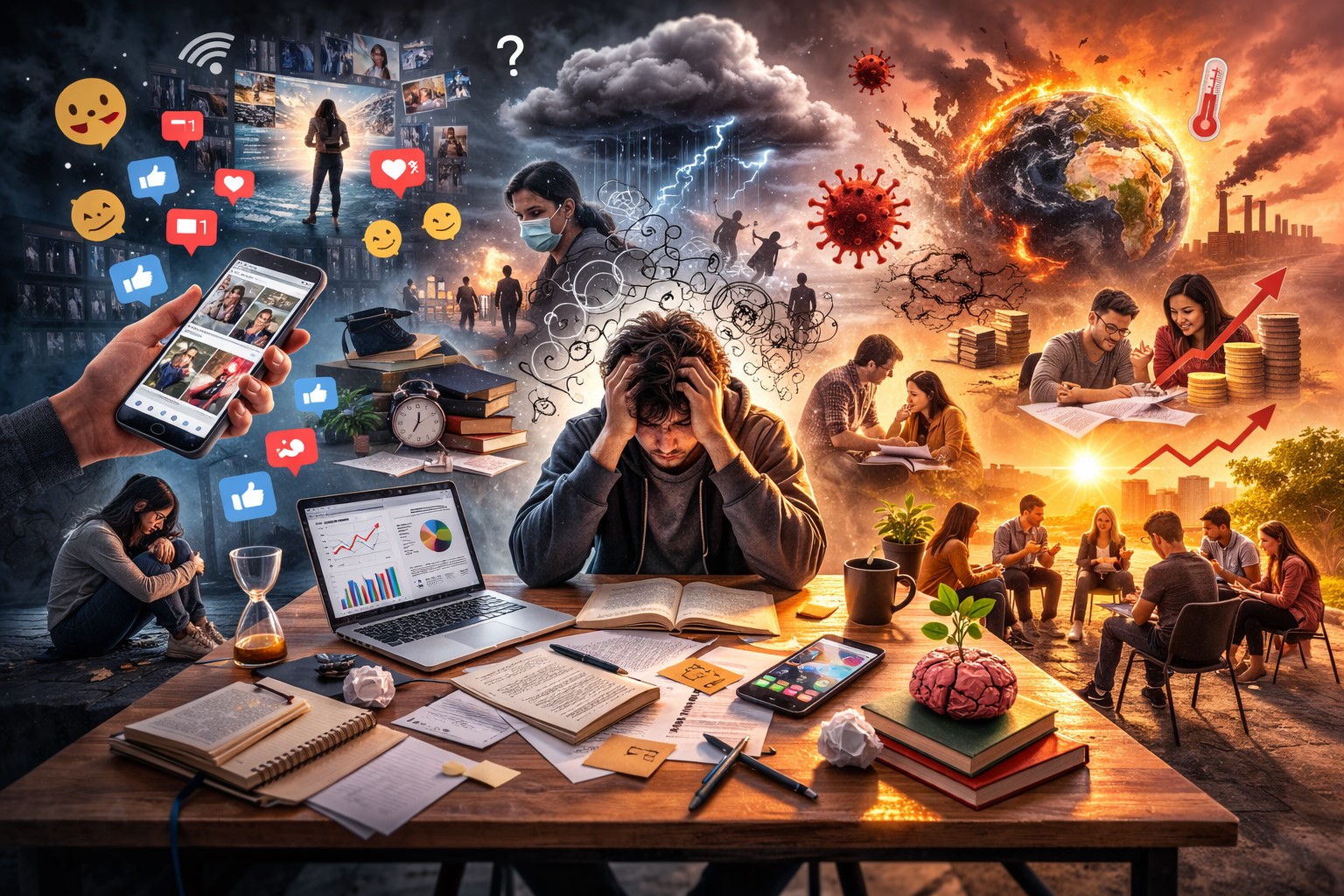
Concerns are growing among mental health experts regarding the escalating anxiety levels reported by Generation Z, born roughly between the late 1990s and early 2010s. This demographic faces heightened mental health challenges compared to previous generations. Their upbringing has been largely defined by the pervasive presence of smartphones, social media, and an unceasing flow of information. While technology has introduced various opportunities, it has simultaneously generated new pressures impacting their mental well-being. Additionally, Gen Z has matured during a time fraught with global disturbances, including the COVID-19 pandemic, climate change anxiety, economic uncertainty, and increasing living costs. These overlapping factors contribute to an environment where stress and unpredictability are commonplace.

The Role of Social Media

A significant difference between Gen Z and earlier generations is their interaction with technology, particularly social media. For many young individuals, these platforms are not just communication tools but also avenues for identity formation and validation. However, this omnipresent online engagement fosters a continuous cycle of comparison. The digital landscape has transformed self-perception. Gen Z is frequently exposed to algorithmically curated content emphasizing idealized standards of success, beauty, and lifestyle. This leads to unrealistic expectations regarding personal appearances and relationships, resulting in a pervasive fear of missing out (FOMO). Various studies have shown that extensive social media usage correlates with a higher incidence of mental health issues, including anxiety and depression.

Economic Concerns and Their Impact

In addition to digital pressures, economic worries contribute significantly to the anxiety experienced by Gen Z. Rising living costs, job security issues, layoffs, and substantial student debt create a sense of instability. Unlike previous generations that enjoyed more predictable career paths, Gen Z is entering an ever-evolving workforce. This prevailing uncertainty often manifests as “anticipatory anxiety,” where individuals disproportionately stress about possible future challenges. The expectation to achieve professional success while living up to social media depictions often exacerbates these fears, fostering a troubling cycle of anxiety.

The Influence of Global Crises

Many members of Gen Z have navigated their formative years amidst global crises, notably during the COVID-19 pandemic, which affected education, social interactions, and daily routines. Isolation during lockdowns transitioned much of their communication to digital platforms. Furthermore, contemporary youth remain acutely aware of global events, receiving constant updates on wars, climate emergencies, political instability, and natural disasters through various media. While this accessibility fosters awareness, it can also result in emotional fatigue. Young people today encounter pressures across multiple layers—individual, familial, community, and societal. High academic competition and ever-shifting professional landscapes compound this stress, while social media fosters distractions and an impetus for instant satisfaction, often leaving them feeling overwhelmed.

Transformations in Social Interaction

Technology’s influence extends to how young people engage socially. Previous generations typically spent more time interacting face-to-face, while Gen Z largely communicates via texts, social media, and video calls. While these digital communications provide convenience, they may lack the emotional richness found in interpersonal interactions. Experts suggest that the reduction in face-to-face interactions has contributed to social anxiety, particularly among those uncomfortable with direct engagements. Additionally, outdoor activities have declined in favor of indoor screen time, impacting self-esteem and social competencies.

Recognizing Mental Health Awareness

Despite the noted challenges, experts observe a significant shift in the approach toward mental health among Gen Z. These young individuals are increasingly open to discussing their emotional health and seeking assistance when necessary. This willingness to engage with mental health issues indicates a broader awareness rather than a simple rise in anxiety levels. Professionals in the field assert that addressing these concerns necessitates an integrated support structure involving families, educational institutions, workplaces, and public health initiatives. Essential life skills, such as emotional regulation and problem-solving, should be cultivated to foster resilience in an increasingly complex world.

Potential for Positive Change

The unique landscape in which Gen Z is developing presents unprecedented challenges. Factors such as digital saturation, economic insecurity, and societal pressures are shaping the mental health of this generation. Experts advocate that, with adequate support systems, young people can cultivate effective coping strategies and resilience. Promoting healthier digital habits, enhancing real-life social engagements, and nurturing supportive environments are vital for improving overall mental health. While the issues faced by Gen Z are substantial, focusing solely on their challenges may overshadow their strengths as individuals striving to navigate a complex and evolving world.

Long or Short, get news the way you like. No ads. No redirections. Download Newspin and Stay Alert, The CSR Journal Mobile app, for fast, crisp, clean updates!

App Store –  https://apps.apple.com/in/app/newspin/id6746449540 

Google Play Store – https://play.google.com/store/apps/details?id=com.inventifweb.newspin&pcampaignid=web_share

Latest News

Popular Videos
