


This UP Village Shares Ancestral Ties With Ayatollah Khomeini
The CSR Journal Magazine

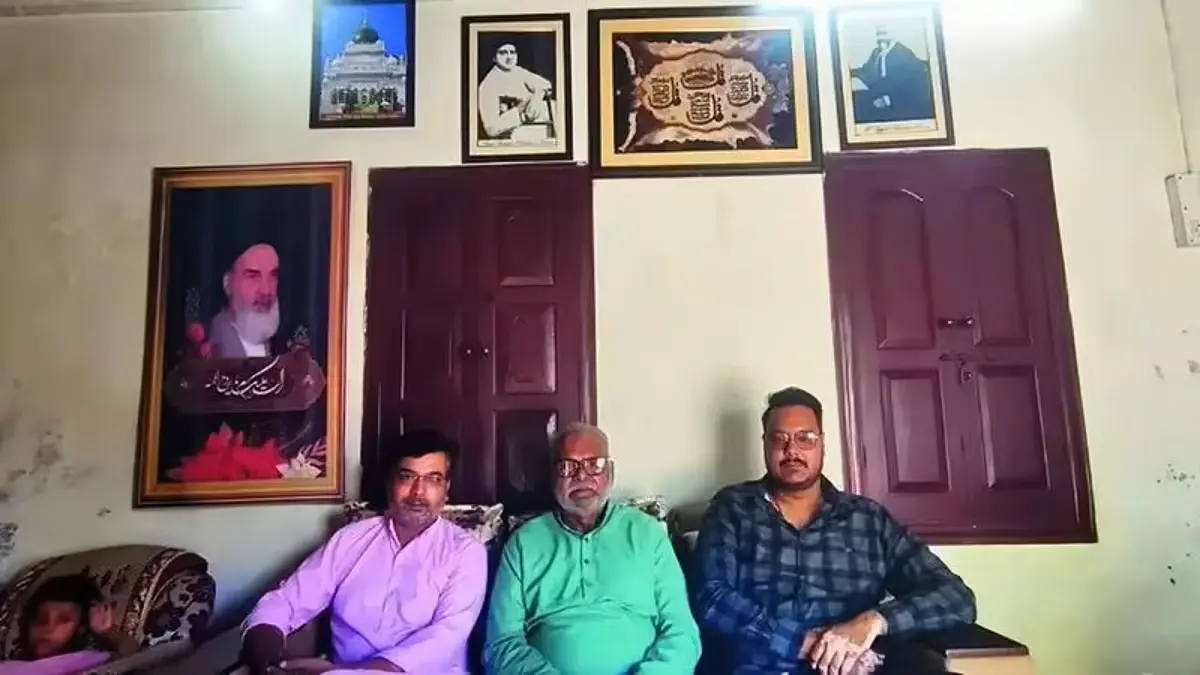
Kintoor, a quiet village located in Barabanki district of Uttar Pradesh, is distinguished as the ancestral birthplace of Ayatollah Ruhollah Khomeini, a pivotal figure in the Iranian Revolution of 1979. This village stands out not only for its historical relevance but also for its deep-rooted connections between India and Iran, particularly within the Shia community.

The ancestral link traces back to Khomeini’s grandfather, Syed Ahmad Musavi Hindi, who was born in Kintoor in 1790. He later migrated to Iran, where he formed a significant lineage that would ultimately culminate in Khomeini, who transformed Iran’s political landscape.

Despite moving to Khomein, Iran, Syed Ahmad maintain his Indian identity by keeping the suffix “Hindi” in his name. His journey to Iran in 1830, accompanied by the Nawab of Awadh, was marked by his desire to escape British colonial rule and establish a new life, which would see his family flourish in religious and social spheres.

Lineage and Legacy of Ayatollah Khomeini

Syed Ahmad Musavi Hindi’s contributions extended through his offspring, including his son, Ayatollah Mustafa Hindi, a respected Islamic theologian, and then to Ruhollah, born in 1902. This lineage played a crucial role in shaping religious thought and governance in Iran, particularly as Ruhollah Khomeini later challenged the Pahlavi monarchy.

The Khomeini family’s influence in Iran was established during a time of significant upheaval. Ruhollah Khomeini, often referred to as Imam Khomeini, became a symbol of resistance against oppressive regimes, achieving considerable changes in the Middle East while promoting values that echoed his Indian heritage.

This historical narrative illustrates the profound cultural and spiritual connections between the peoples of India and Iran, transcending mere political ties. The legacy of Khomeini serves as a testament to the complex interplay of identity, heritage, and leadership that persists in Barabanki and beyond.

Cultural Ties Between India and Iran

The spiritual bond shared by the two nations is underscored by local residents, such as Dr Rehan Kazmi from Rasoolpur, who emphasise the broader connections that exist due to Khomeini’s lineage. While Ayatollah Ali Khamenei, a close disciple of Khomeini who was recently killed, does not have direct ancestral ties to Kintoor, his significance in contemporary Shia leadership resonates with the local community.

Dr Kazmi also highlighted initiatives purportedly associated with Khamenei’s trust, including health camps and educational support for students in government schools, thereby reinforcing the ongoing relationship between the two nations and their people. The community continues to honour and explore its connections to its Iranian roots, showcasing the lasting impacts of historical migrations.

Furthermore, local sentiments reflect the bigger picture of international relations, as noted by Kintoor resident Syed Nihar Ahmad Kazmi. He mentioned that cultural ties facilitated Indian vessels’ safe passage through the Strait of Hormuz amid regional tensions, illustrating the importance of historical bonds in current geopolitics.

In recent times, the Iranian community in India has also demonstrated solidarity through public mourning ceremonies following the death of Ayatollah Khamenei, signifying the enduring connection between the Shia communities in both countries. The representation of Iran during times of grief and remembrance showcases the strong ties that remain, even amidst conflicts.

Long or Short, get news the way you like. No ads. No redirections. Download Newspin and Stay Alert, The CSR Journal Mobile app, for fast, crisp, clean updates!

App Store –  https://apps.apple.com/in/app/newspin/id6746449540 

Google Play Store – https://play.google.com/store/apps/details?id=com.inventifweb.newspin&pcampaignid=web_share

Latest News

Popular Videos
