


app-store-logo
play-store-logo
January 12, 2026

That Cold Dough in Your Fridge: Safe Saver or Silent Risk?
The CSR Journal Magazine

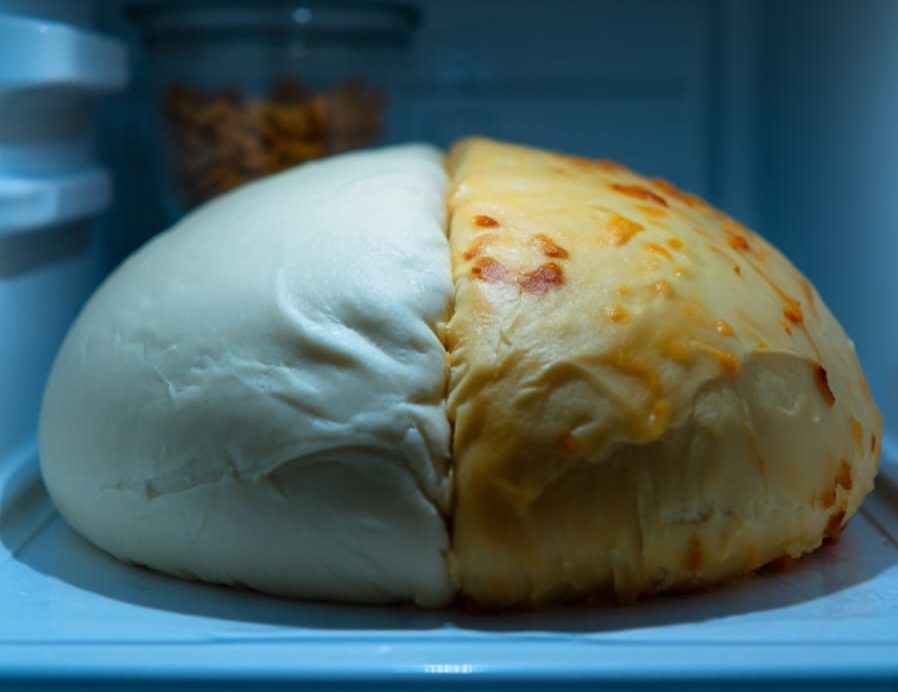
Open almost any Indian refrigerator and you’ll find it—an innocent-looking ball of atta dough wrapped in plastic or tucked into a steel dabba. It’s there because life got busy, dinner plans changed, or kneading again felt like too much work. “We’ll use it tomorrow,” we tell ourselves. But have you ever paused to wonder whether that cold, quiet dough is still your friend—or slowly turning against you?

How Long Is Atta Dough Actually Safe?

The truth is, leftover atta dough can be used safely, but only if it’s treated with care. When stored properly and used within 24 to 48 hours, it usually doesn’t pose a problem. Wheat flour is a natural food, but once mixed with water, it becomes a perfect playground for bacteria. The clock starts ticking the moment you knead it. If you’re crossing the two-day mark, you’re already entering risky territory.

Many people believe the refrigerator is a magical pause button for food. It isn’t. Refrigeration slows bacterial growth, but it doesn’t stop it completely. Some bacteria are surprisingly comfortable in cold temperatures. They grow slowly, quietly, and without obvious signs—until one day your stomach is the first to complain.

Trust Your Senses—They Don’t Lie

Your senses are your best safety tool here. If the dough smells sour, feels slimy, or shows grey, green, or black spots, it’s time to let it go—no guilt, no second thoughts. That sour smell is fermentation, and those spots are mold. And no, cooking won’t always “fix” it.

Small Additions That Buy You Time

A few small habits can help extend the dough’s life, though only slightly. Adding salt or a little oil before storing can slow spoilage. Salt discourages bacterial growth, while oil reduces surface dryness and exposure. Think of it as giving your dough a light shield—not a suit of armour.

Storage Mistakes That Spoil Dough Faster

How you store the dough matters more than most people realize. An airtight container is far safer than a loosely covered bowl or open plate. Exposure to air invites bacteria, fridge odors, and uneven drying. Clean hands, a clean container, and tight sealing make a real difference.

When you finally decide to use stored dough, don’t rush the cooking. Thorough cooking is essential. Well-cooked rotis or parathas kill most surface bacteria. Half-cooked flatbreads might save a minute, but they can cost you hours of stomach trouble.

Why Fresh Dough Still Wins

Still, freshly kneaded atta dough is always the gold standard. It tastes better, cooks better, and feels lighter on the stomach. More importantly, it removes all guesswork—no sniff tests, no doubts.

So the next time you spot that cold dough in your fridge, don’t ignore it. Check it. Smell it. Respect it. Used wisely, it’s a smart saver. Treated carelessly, it’s a silent risk. Sometimes, the healthiest choice isn’t convenience—it’s starting fresh.

Long or Short, get news the way you like. No ads. No redirections. Download Newspin and Stay Alert, The CSR Journal Mobile app, for fast, crisp, clean updates!

App Store – https://apps.apple.com/in/app/newspin/id6746449540

Google Play Store – https://play.google.com/store/apps/details?id=com.inventifweb.newspin&pcampaignid=web_share

Latest News

Popular Videos
