


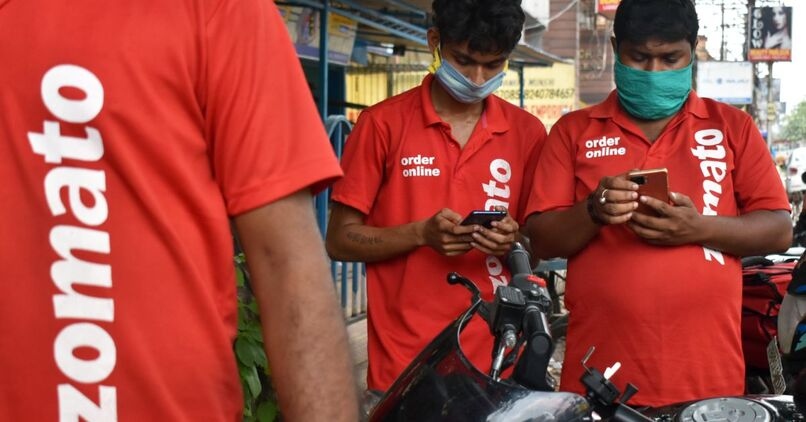

Delivery app workers for e-commerce companies like Amazon, Swiggy, Zomato, Zepto, Flipkart, and Blinkit have called for a nationwide strike on the last day of the year, when the rush is the highest. To manage the New Years’ eve rush, Swiggy and Zomato have announced incentives for their workers during the year-end and peak hours. This decision is believed to have been made in response to the impending protests.
Zomato has stated that workers will receive Rs 120-150 per order between 6 PM and midnight. Even the penalties deducted from workers for order cancellations will be waived. The platform has also indicated that delivery partners could earn up to Rs 3,000 over the course of the day, depending on order volumes and availability. Zomato has additionally waived penalties on order denials and cancellations for the period.
Swiggy has made a similar announcement, stating that incentives of up to Rs 10,000 will be given for deliveries on December 31 and January 1. They have also announced incentives of up to Rs 2,000 for deliveries between 6 PM and midnight on the first day of the year. Zepto has also announced additional incentives for its workers.
“This is part of our standard annual operating protocol during festive periods, which typically see higher earning opportunities due to increased demand,” an Eternal spokesperson told PTI. Eternal owns the Zomato and Blinkit brands.
What are the demands of the gig workers leading to this strike?
The strike, announced by the Telangana Gig and Platform Workers’ Union (TGPWU), the Indian Federation of App-Based Transport Workers (IFAT), and other associations, is expected to impact food delivery and quick commerce services, including Zomato, Swiggy, Blinkit, Instamart and Zepto, on one of the busiest ordering days of the year.
In a joint statement, TGPWU and IFAT said, “As of last night, over 1.7 lakh delivery and app-based workers across India have confirmed participation, with numbers expected to rise further by evening”.
Referring to earlier protests, the joint statement added: “The December 25 action sent a clear warning to platform companies about falling earnings, unsafe delivery pressure, and loss of dignity at work. However, companies responded with silence — no rollback of reduced payouts, no dialogue with workers, and no concrete assurances on safety or working hours. This continued indifference has made today’s strike unavoidable.”
Separately, the Gig and Platform Service Workers Union also announced a nationwide strike on December 31, calling on workers to log off platforms in protest.
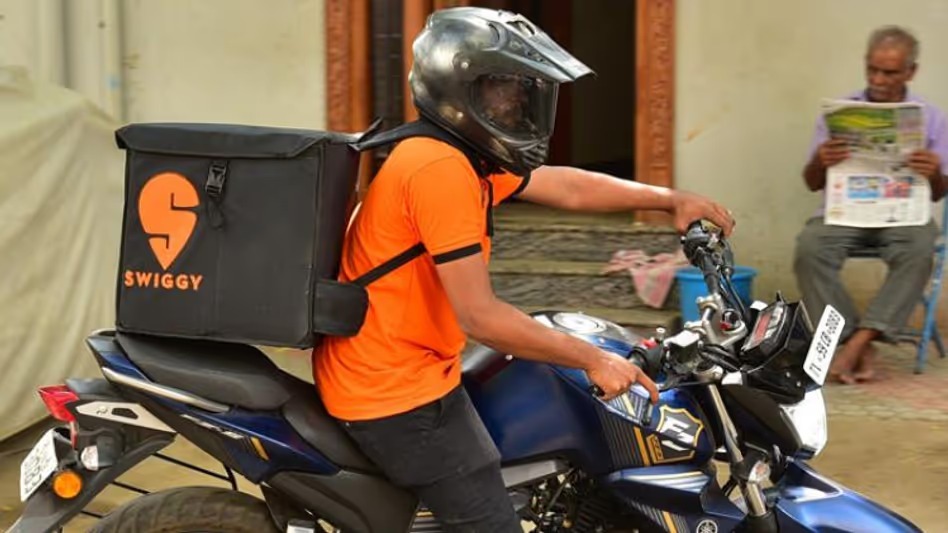
What are the demands of gig workers?
Gig workers are unhappy over low wages. Despite working full day or all night, they hardly get anything as alleged. There are also objections to the ‘quick service’ model. They claim that the pressure to deliver goods within ten minutes often leads to fatal accidents for the workers. Furthermore, they face harsh penalties for even slight delays in delivery.
Delivery workers have alleged that IDs are often suspended without clear reasons or proper communication, leaving workers suddenly without income and no way to challenge the decision. According to the gig workers’ body, use of algorithms by platform companies is affecting incentives and overall earnings, making incomes unpredictable and financially unstable for gig workers.
Delivery workers say that the deteriorating conditions of the gig economy are forcing them to repeatedly call strikes to put pressure on the platform companies. They demand that workers cannot be terminated without cause and that they must be provided with provident fund and insurance benefits.
Other issues include long working hours, unsafe working conditions, and a lack of social security. The union has called for insurance coverage and welfare measures, pointing out that gig workers continue to remain outside basic social protection despite their growing presence in the workforce.
A strike was called on Christmas Day December 25. Finally, on the day of the December 31 when another strike has been announced, prominent delivery app companies like Swiggy and Zomato are trying to manage the situation by announcing additional incentives and other benefits.