


Supreme Court Dismisses Petition on HPV Vaccine Program Concerns
The CSR Journal Magazine

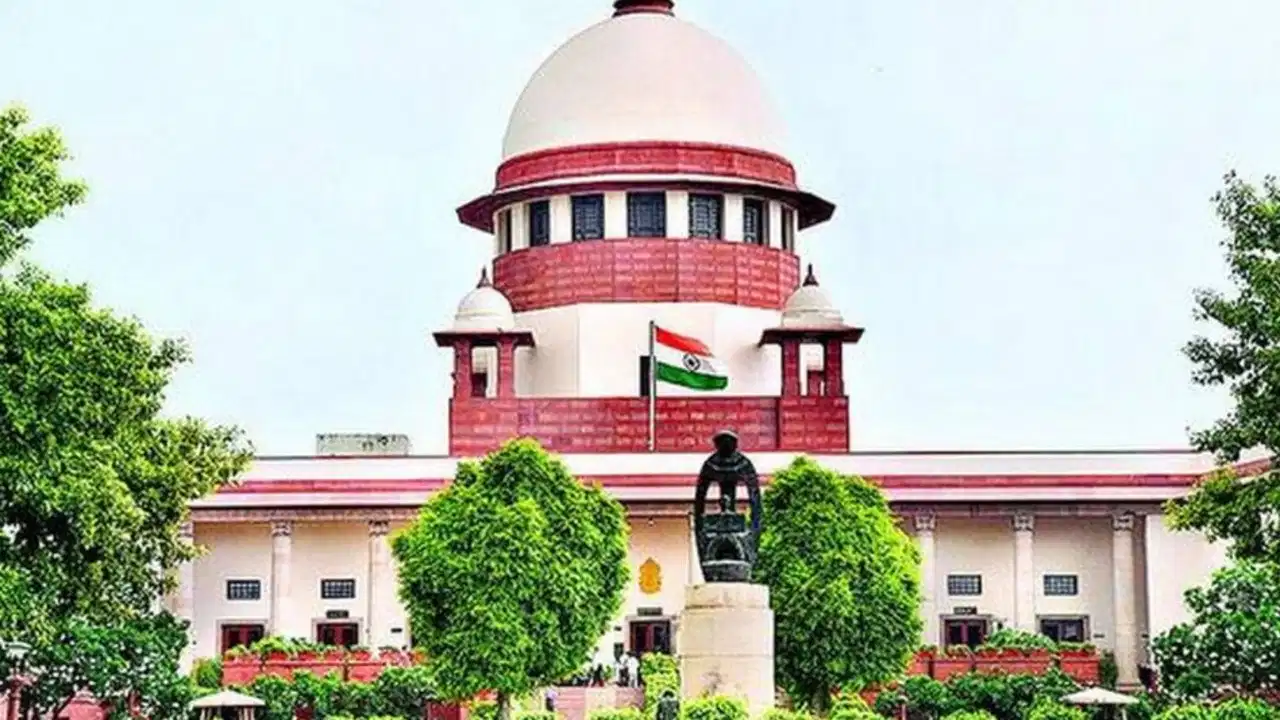
The Supreme Court has recently declined to entertain a public interest litigation (PIL) that questioned the Central Government’s HPV vaccination initiative. This decision follows the Court’s warning about the potential dangers of making unfounded allegations regarding vaccines, which could jeopardise important public health programmes.

A bench comprising Chief Justice of India Surya Kant and Justices Joymalya Bagchi and V Mohana addressed the PIL filed by the Universal Health Organisation. The bench underscored the importance of ensuring that public health measures are not impeded by unsupported claims, particularly in the context of vaccinations that aim to protect the populace.

Concerns Raised by the Petitioner

The petitioner’s counsel clarified that the intent of the PIL was not to oppose vaccination itself but to highlight concerns regarding the implementation of the Human Papillomavirus (HPV) vaccination programme. Specific issues raised included the monitoring of adverse events, the process of informed consent, the disclosure of potential risks, and the lack of a defined mechanism for compensation related to vaccine injuries.

The Supreme Court’s bench indicated that, should the petition be pursued further, it would not hesitate to make strong observations regarding the claims presented. The judges emphasised that the objectives of any public health programme must be upheld and should not be compromised based on allegations that do not stem from credible scientific evidence.

The Court also noted that current laws regarding compensation are applicable in instances where adverse effects can be substantiated. This assertion underlines the legal framework already in place to address concerns raised about vaccine-related injuries.

Withdrawal of the Petition

The HPV vaccination programme was launched by the Centre earlier this year and is designed to protect adolescent girls from HPV infections, which are known to significantly contribute to the incidence of cervical cancer. The implementation of this programme aims to enhance public health outcomes and reduce cancer cases among women.

This development reflects ongoing efforts by the Indian government to improve healthcare quality and access to preventative measures, further reinforcing the importance of vaccinations in mitigating disease and improving health standards. The Court’s decision adds to the ongoing dialogue regarding the balance between public health advocacy and the scrutiny of health programmes.

Long or Short, get news the way you like. No ads. No redirections. Download Newspin and Stay Alert, The CSR Journal Mobile app, for fast, crisp, clean updates!

App Store –  https://apps.apple.com/in/app/newspin/id6746449540 

Google Play Store – https://play.google.com/store/apps/details?id=com.inventifweb.newspin&pcampaignid=web_share

Latest News

Popular Videos
