


app-store-logo
play-store-logo
February 9, 2026

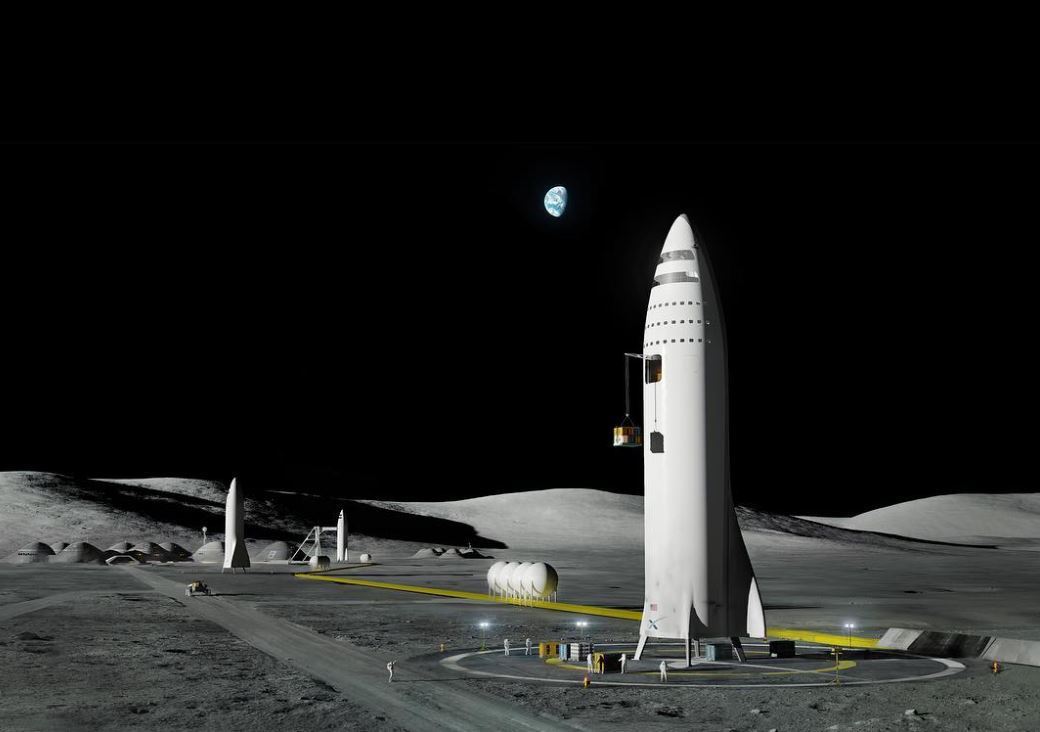
SpaceX Puts Mars On Hold, Turns Attention To Building A Moon Settlement
The CSR Journal Magazine

SpaceX has announced a major shift in its long-term human spaceflight ambitions, with founder Elon Musk signalling that the company will prioritise establishing a permanent human settlement on the Moon before attempting to colonise Mars. The change marks a notable departure from years of Mars-centric messaging and reflects both technical realities and evolving policy priorities in the United States space programme.

Speaking over the weekend, Musk said a self-sustaining lunar settlement could be achievable within the next ten years, while a comparable city on Mars would likely take at least two decades. The revised timeline underscores the growing view within SpaceX that the Moon offers a more practical and immediate testing ground for human habitation beyond Earth.

Moon Emerges As A More Practical First Step

Musk pointed to the logistical constraints of interplanetary travel as a key reason behind the strategic pivot. Missions to Mars are limited by planetary alignment, allowing launch opportunities roughly once every 26 months. This significantly slows progress and increases risk if early missions encounter failures.

In contrast, the Moon’s proximity to Earth offers far greater flexibility. According to Musk, lunar missions could be launched every 10 days, enabling faster iteration, regular resupply, and quicker responses to technical setbacks. These advantages make the Moon a more viable location to develop and refine the technologies needed for long-term human survival in space.

The shift does not signal an abandonment of Mars, but rather a recalibration of priorities. SpaceX believes experience gained from sustained lunar operations could eventually reduce the risks associated with deeper space missions.

Longstanding Mars Timelines Under Scrutiny

Mars has long been central to Musk’s vision for SpaceX, but his projections have repeatedly evolved. In 2011, he suggested humans could reach Mars within 10 to 20 years. By 2016, he claimed crewed missions might begin as early as 2024, subject to funding and technical breakthroughs.

Those timelines have since been widely viewed as overly optimistic. Challenges ranging from life-support systems to radiation exposure and propulsion have slowed progress. The renewed focus on the Moon reflects a more incremental approach, acknowledging the complexity of sustaining human life on another planet.

Despite the delay, Musk reiterated that Mars remains a core objective for SpaceX. He said work towards a Martian city could still begin within five to seven years, even as lunar development takes precedence.

Policy Signals And NASA’s Lunar Push

The shift also aligns with changing priorities in US space policy. Under former president Donald Trump, the United States placed renewed emphasis on returning humans to the Moon. A presidential directive called for astronauts to land on the lunar surface by 2028 through NASA’s Artemis programme.

SpaceX is a key contractor for Artemis, including the development of the lunar lander for the Artemis 3 mission, currently targeted for the middle of 2027. The mission has already faced delays, largely linked to lander development challenges.

For Musk and Elon Musk, the Moon now represents both an achievable milestone and a stepping stone. While Mars remains the ultimate goal, SpaceX’s near-term future appears firmly anchored closer to Earth.

Long or Short, get news the way you like. No ads. No redirections. Download Newspin and Stay Alert, The CSR Journal Mobile app, for fast, crisp, clean updates!

App Store –  https://apps.apple.com/in/app/newspin/id6746449540 

Google Play Store – https://play.google.com/store/apps/details?id=com.inventifweb.newspin&pcampaignid=web_share

Latest News

Popular Videos
