app-store-logo
play-store-logo
December 17, 2025

What Looked Like a Healthy Snack Hid a Cancer Risk, 750 Sacks of Toxic Chickpeas Seized in Gorakhpur

The CSR Journal Magazine

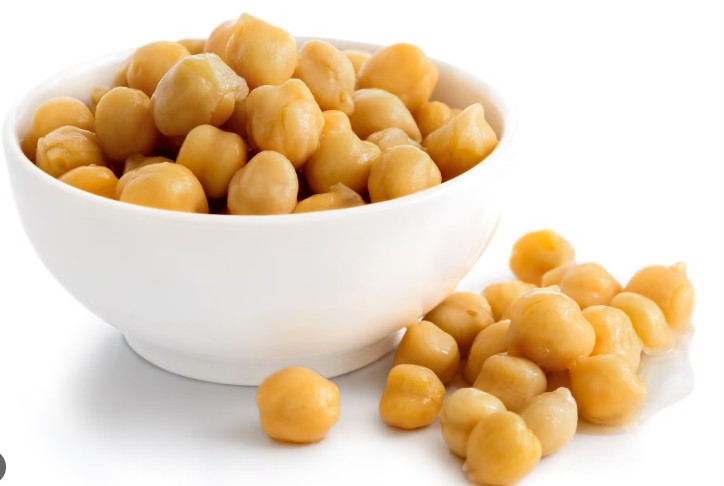
What looked like harmless roasted chickpeas the kind many families snack on daily turned out to be something far more dangerous in Gorakhpur this week.

Food safety officials seized hundreds of sacks of roasted chickpeas after discovering they had been treated with a chemical dye meant for colouring fabric and paper, not food. The unusually bright yellow colour, meant to attract buyers, raised suspicion and ultimately led to a large-scale crackdown.

The raid followed tip-offs that truckloads of roasted chickpeas had arrived at a warehouse under Rajghat police station limits. When officials moved in, they found 750 sacks stacked inside each weighing 40 kg brought in from Madhya Pradesh and Chhattisgarh.

On-the-spot testing in a mobile food safety laboratory confirmed what officers feared: the chickpeas had been coated with a synthetic yellow dye. Further laboratory analysis showed the substance to be Auramine O, an industrial chemical banned for consumption due to its severe health risks.

“This synthetic yellow dye is not meant for consumption. It is used for colouring clothes and paper. It is very dangerous, especially for children and pregnant women, and has a high potential to cause cancer. It also damages the liver and kidneys,” Assistant Commissioner of Food Sudhir Singh said.

Colour Added, Safety Lost

Officials believe the chemical was added deliberately to enhance the colour and shine of the chickpeas, making them look fresher and more appealing to unsuspecting buyers. According to the department, the adulteration was heavy and posed serious long-term risks if consumed regularly.

After confirming the contamination, authorities sealed the stock and imposed an immediate ban on its sale. Legal action has been initiated against firms involved in supplying and storing the chickpeas, while food safety departments in the source states have also been alerted.

“After laboratory examination, the presence of a large quantity of artificial dye in the chickpeas was verified. We recovered 750 sacks on site, each containing 40 kilograms. The sacks have been seized, and their sale has been banned. Further legal action is being taken against all those who are involved,” Singh said.

Investigators are now racing against time to trace where the chickpeas may have already reached. Officials estimate that nearly half the consignment had been sold before the raid, and teams are working to identify markets and distributors who may have unknowingly stocked the product.

This is not the first time such adulteration has surfaced in the region. Officials recalled a similar case last year when roasted chickpeas sold in a local market failed safety tests due to the presence of the same dye.

Interstate Adulteration Network Under Scanner

Authorities suspect a wider, interstate network operating behind the scenes, with supplies moving across state lines and payments allegedly routed through informal channels. The Food Safety and Drug Administration has intensified checks and launched a broader campaign to detect similarly adulterated food items.

Health experts warn that prolonged exposure to Auramine even in small quantities can lead to kidney and liver damage and may increase cancer risk due to cellular DNA changes. Children are considered especially vulnerable.

Consumers have been advised to be cautious of food items with unnaturally bright colours and to avoid snacks that look excessively glossy or yellow.

“The Department has a zero tolerance policy against adulterators. Such harmful chemicals are being used to make roasted chickpeas more shiny. The special information system has been activated and such strict action will continue in future as well,” Singh said.

Latest News

Popular Videos